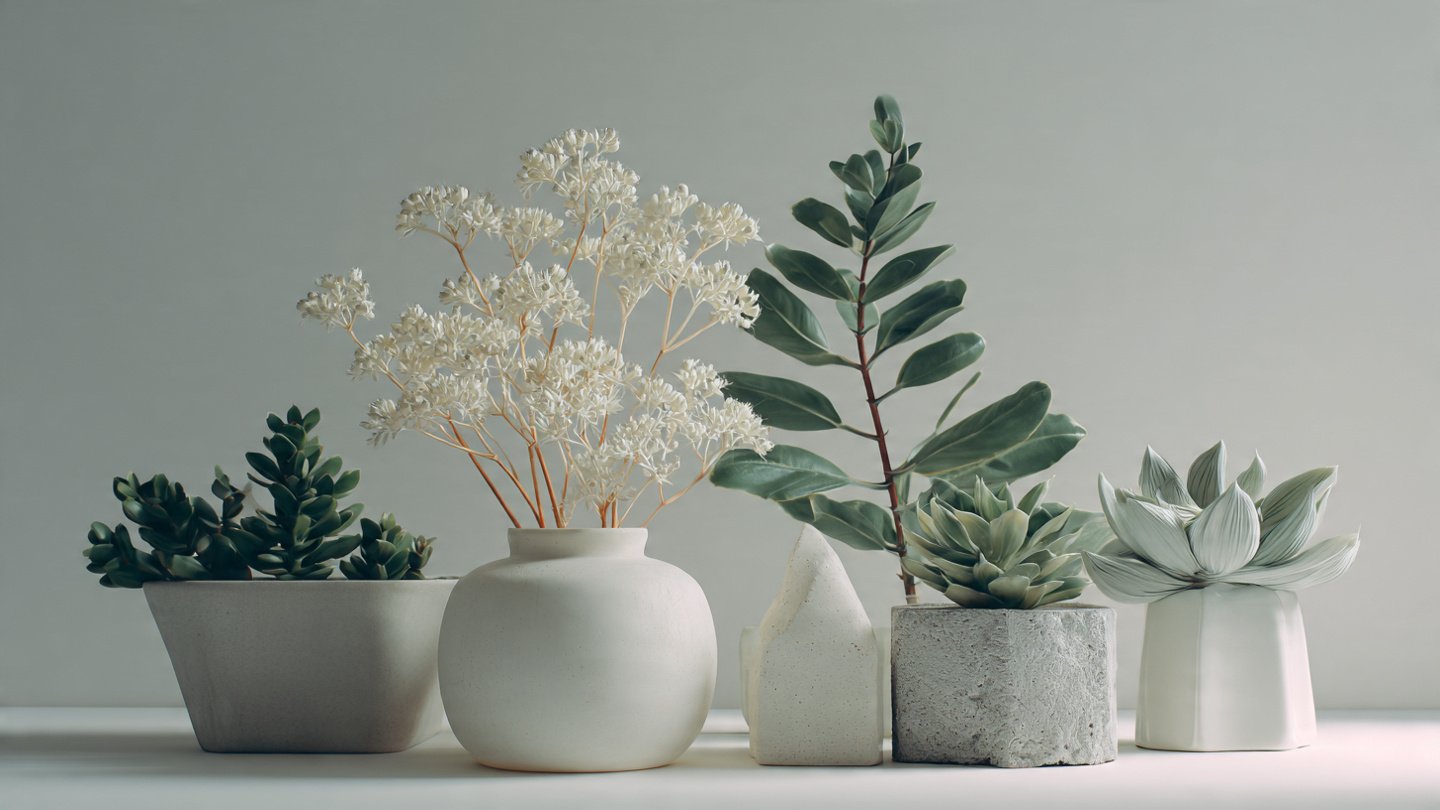
In a world filled with vibrant colors and elaborate designs, the minimalist aesthetic stands out for its simplicity and elegance. A white color palette, often associated with purity and tranquility, provides the perfect backdrop for the subtle beauty of plants. The interplay between greenery and a minimalist white environment can create a serene and calming space. In this article, we will explore various plants that complement a minimalist white aesthetic beautifully while enhancing the overall ambiance of your home or office.
The Value of Minimalism
Minimalism is not just a design choice; it’s a lifestyle philosophy that advocates for simplifying one’s life by reducing clutter and distractions. Incorporating plants into a minimalist aesthetic serves several purposes:
- Enhanced Air Quality: Plants naturally purify the air by absorbing toxins and releasing oxygen, creating a healthier living environment.
- Connection to Nature: In a predominantly white and minimalistic space, plants bring a touch of the outdoors inside, fostering a sense of peace.
- Aesthetic Appeal: The contrast between the greenery of plants and the simplicity of white decor creates an eye-catching visual experience.
Best Plants for a Minimalist White Aesthetic

When selecting plants for a minimalist white aesthetic, consider options that are not only visually appealing but also easy to care for. Here are some of the best choices:
1. Snake Plant (Sansevieria)
The Snake Plant, also known as Mother-in-Law’s Tongue, is an ideal choice for a minimalist style. Its tall, upright leaves offer a striking vertical element that contrasts beautifully with white spaces. Snake Plants are renowned for their resilience, requiring minimal care and thriving in low light conditions.
2. ZZ Plant (Zamioculcas zamiifolia)
With its glossy, dark green leaves, the ZZ Plant epitomizes elegance. It adds a touch of luxury to any minimalist setting. The plant is drought-tolerant and thrives in indirect light, making it perfect for busy urban lifestyles. Its sculptural nature also allows it to act as a statement piece.
3. Pothos (Epipremnum aureum)
Pothos plants offer a versatile option for a minimalist aesthetic. Their trailing vines can be draped elegantly from shelves or hung in planters, creating a dynamic visual effect against white walls. Pothos are forgiving plants, requiring minimal water and indirect sunlight to flourish.

4. Fiddle Leaf Fig (Ficus lyrata)
The Fiddle Leaf Fig has gained immense popularity in recent years, and for good reason. Its large, violin-shaped leaves create a bold statement that harmonizes beautifully with minimalist decor. This plant prefers bright, indirect light and can serve as a captivating focal point in any room.
5. Monstera Deliciosa
Known for its striking leaves with unique perforations, the Monstera adds an organic feel to a minimalist aesthetic. The combination of its lush green leaves against a white backdrop creates an invigorating contrast. It thrives in bright, indirect light and requires moderate watering.
6. Rubber Plant (Ficus elastica)
The Rubber Plant presents a stunning display with its glossy leaves that can range from dark green to variegated varieties. This plant’s compact form works well in small spaces, making it an excellent addition to any minimalist design. It prefers bright, indirect light and moderate moisture.
7. Peace Lily (Spathiphyllum)
The Peace Lily is not only beautiful but also incredibly functional, as it improves air quality. Its white blooms contrast elegantly against the deep green leaves, introducing a subtle touch of color to a minimalist space. Peace Lilies prefer low to medium light and need regular watering, making their care straightforward.

8. Aloe Vera
Aloe Vera is not only useful for its soothing properties but also serves as an attractive succulent. Its succulent leaves form a neat rosette, enhancing the minimalist aesthetic. Aloe thrives in bright, indirect sunlight and needs minimal watering, making it an excellent choice for those who may forget to care for plants regularly.
Tips for Integrating Plants into a Minimalist Space
Incorporating plants into a minimalist white aesthetic involves more than just choosing the right species. Here are several tips to achieve harmonious integration:
- Use Simple Containers: Opt for minimalist pots in neutral colors or materials that blend seamlessly with your decor, such as white ceramic or matte black.
- Group Plants Strategically: Create a cohesive look by grouping plants of various heights and shapes but keeping them within a limited color palette.
- Mind the Scale: Choose plants according to the size of your space. Larger plants can serve as focal points, while smaller ones are great for shelves and tabletops.
- Utilize Vertical Space: Use shelves and hanging planters to add vertical interest and save floor space, maintaining the clean lines characteristic of minimalism.
- Keep it Clutter-Free: Avoid overcrowding your space with too many plants. Select a few favorites to create a clean, uncluttered look.

Conclusion
Incorporating plants into a minimalist white aesthetic can transform your space into a serene sanctuary, perfectly balancing the beauty of nature with the tranquility of minimalism. Plants such as the Snake Plant, ZZ Plant, and Fiddle Leaf Fig not only enhance the visual appeal but also contribute to a healthier indoor environment. By carefully selecting the right plants and integrating them thoughtfully into your decor, you can achieve a harmonious and stylish living space that embodies the essence of modern minimalism.
FAQs
1. Are all plants suitable for a minimalist white aesthetic?
No, it’s best to choose plants with clean lines and simple forms that complement a minimalist look. Avoid plants with overly complex shapes or colors.
2. How often should I water these plants?
Watering needs vary by plant type. Most of the plants mentioned prefer to dry out a bit between waterings; it’s essential to check soil moisture before watering.

3. Can I mix different types of plants in a minimalist space?
Yes, mixing plants can create an interesting visual texture, but it’s important to maintain a cohesive look with similar color schemes and styles.
4. How can I improve the health of my indoor plants?
To keep your plants healthy, provide adequate light, water them according to their needs, and ensure they have proper drainage. Additionally, consider periodically wiping their leaves to remove dust.
5. What if I don’t have a lot of natural light?
Choose low-light plants, such as ZZ Plants or Snake Plants, that can thrive in less-than-ideal lighting conditions. You can also supplement with grow lights if necessary.