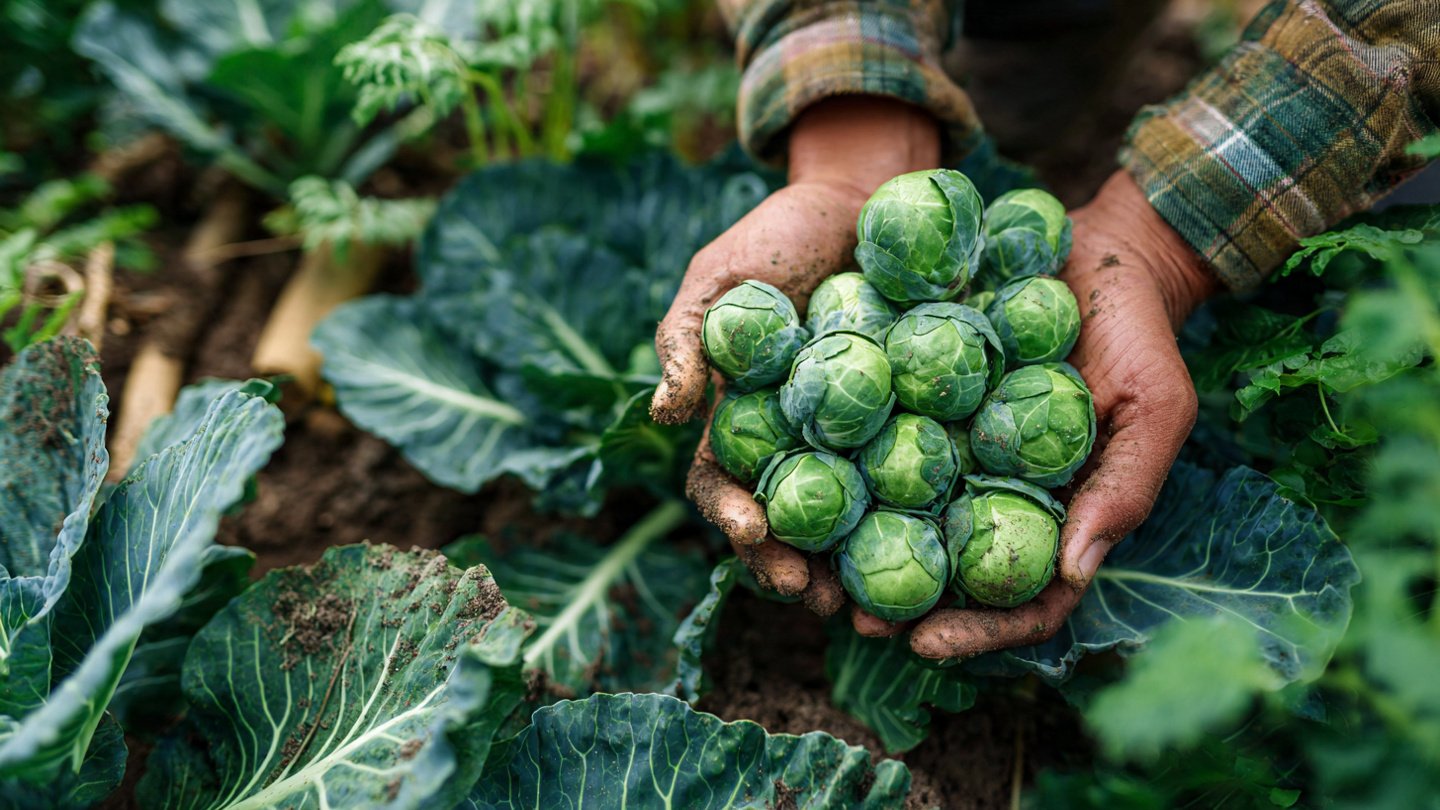
Brussels sprouts, often hailed as the culinary gem of the brassica family, have gained popularity not only for their unique flavor but also for their impressive nutritional profile. Growing them successfully, however, can be a challenge. In this comprehensive guide, we’ll explore how to cultivate a perfect crop of Brussels sprouts without relying on gimmicks or tricks. By understanding the essential factors that contribute to healthy growth, you’ll discover how to produce a bountiful harvest by employing natural methods based on solid horticultural practices.
Understanding Brussels Sprouts
Brussels sprouts (Brassica oleracea var. gemmifera) are cool-season vegetables that thrive in temperate climates. They belong to the same family as cabbage, kale, and broccoli. Characterized by their small, cabbage-like heads, these vegetables are packed with vitamins, minerals, and antioxidants, making them a nutritious addition to any diet. The plants can grow as tall as 2-3 feet, producing multiple mini cabbages along a central stalk. Understanding their growth cycle and requirements is the first step to achieving a perfect crop.
Soil Preparation
1. Select the Right Location
Brussels sprouts require full sun to thrive. Choose a location in your garden that receives at least 6-8 hours of sunlight daily. Good sunlight not only aids in photosynthesis but also helps prevent some pests and diseases that thrive in shaded areas.
2. Soil Quality
Brussels sprouts prefer well-drained, loamy soil rich in organic matter. Conduct a soil test before planting to determine pH levels and nutrient content. The ideal pH for Brussels sprouts lies between 6.0 and 7.0. If your soil is too acidic or alkaline, adjust it accordingly by adding lime or sulfur.
3. Amending the Soil
Before planting, amend your soil with organic matter, such as compost or well-rotted manure. This enhances soil structure, increases water retention, and provides essential nutrients. Incorporate these amendments into the top 12 inches of soil.
4. Nutrient Balance
Brussels sprouts are heavy feeders, meaning they require a balanced fertilization strategy. Use a slow-release, balanced fertilizer high in nitrogen, phosphorus, and potassium. Following a soil test guide, apply the appropriate nutrients before planting and consider supplementary feedings during the growing season.
Planting Techniques
5. Choosing Your Varieties
Brussels sprouts come in various varieties, from standard to hybrid types, each with different maturation periods and flavor profiles. Choose a variety suited to your local climate and growing conditions. Some popular ones include ‘Jade Cross’ for a quick harvest or ‘Long Island Improved’ for a traditional flavor.
6. Planting Time
Timing is essential. Brussels sprouts can be started indoors 6-8 weeks before the last frost or directly sown outside after the risk of frost has passed. In warmth-climate regions, consider a fall planting to maximize the sweetness of the sprouts, which can develop better flavors after exposure to frost.
7. Spacing and Depth
When planting Brussels sprouts, space them 18-24 inches apart in rows 2-3 feet apart. This spacing will allow for adequate air circulation and sunlight penetration, reducing the risk of diseases. Plant seeds at a depth of about 1 inch, and ensure proper watering immediately after planting.
Watering Practices
8. Consistent Moisture
Brussels sprouts need consistent moisture throughout their growing period. Irregular watering can lead to stress, affecting the growth and taste of the sprouts. Aim for 1-1.5 inches of water per week, adjusting based on weather conditions.
9. Watering Techniques
Use soaker hoses or drip irrigation systems to deliver water directly to the soil. This method minimizes evaporation and keeps the foliage dry, reducing the risk of disease. Water deeply but infrequently to encourage deep root growth.
Pest and Disease Management
10. Identifying Common Pests
Brussels sprouts are susceptible to various pests, including aphids, cabbage worms, and flea beetles. Regularly inspect your plants for signs of infestation. Early intervention is key to preventing severe damage. Hand-picking pests and using insecticidal soap can be effective methods.
11. Disease Prevention
Common diseases affecting Brussels sprouts include downy mildew, black rot, and clubroot. Practice crop rotation and avoid planting brassicas in the same spot year after year to reduce disease risk. Ensure good air circulation around plants and avoid overhead watering to minimize humidity around the foliage.
12. Natural Deterrents
Companion planting can be an effective strategy to deter pests. Planting aromatic herbs, such as rosemary or mint, can act as a natural repellent. Marigolds can also attract beneficial insects that prey on harmful pests.
Maintenance Practices
13. Regular Weeding
Weeds compete for nutrients, light, and water, so keeping your Brussels sprouts weed-free is essential. Regularly check for competing vegetation and remove them by hand or with a hoe. Consider mulching around the plants with straw or wood chips to suppress weed growth and retain soil moisture.
14. Staking and Supporting Plants
As Brussels sprouts grow tall, they may require support to prevent them from toppling over, especially in windy conditions. Use stakes or cages to help support the plants, particularly during the latter stages of growth when they start to bear weight.
15. Pruning
As the plants mature, consider pruning the lower leaves to encourage better air circulation and focus energy on the development of the sprouts. Remove any yellowing leaves to prevent the spread of disease and allocate resources to healthier parts of the plant.
Harvesting Tips
16. Timing Your Harvest
Brussels sprouts are typically ready to harvest when they reach 1-2 inches in diameter, which usually occurs in late fall or early winter. The lower sprouts mature first, while those on top may take longer. Harvesting can begin after the first frost and continue until the plants are exhausted.
17. Harvesting Technique
To harvest, grasp the sprout firmly and twist or cut it off from the stalk. Be cautious not to damage any nearby sprouts during this process. Regularly check the plants, as they can produce for several weeks if maintained properly.
Post-Harvest Care
18. Storing Brussels Sprouts

Once harvested, store Brussels sprouts in a cool, dry place, ideally in the refrigerator. They can last up to a week in a perforated plastic bag. For longer storage, consider blanching and freezing them.
19. Soil Health Post-Harvest
After harvesting, it’s a good practice to cover the soil with a green manure crop or organic mulch. This helps improve soil health and prepares it for the next planting season.
Conclusion
Growing Brussels sprouts can be an immensely rewarding experience when approached with proper care and attention. By following these straightforward guidelines and understanding the essential growth requirements, you can achieve a perfect crop without relying on tricks or gimmicks. From preparing the soil and choosing the right planting techniques to effective pest management, every step contributes to the overall success of your Brussels sprout harvest. With patience and dedication, you can enjoy a bountiful yield of this nutritious and flavorful vegetable, making your garden a true delight for the senses.