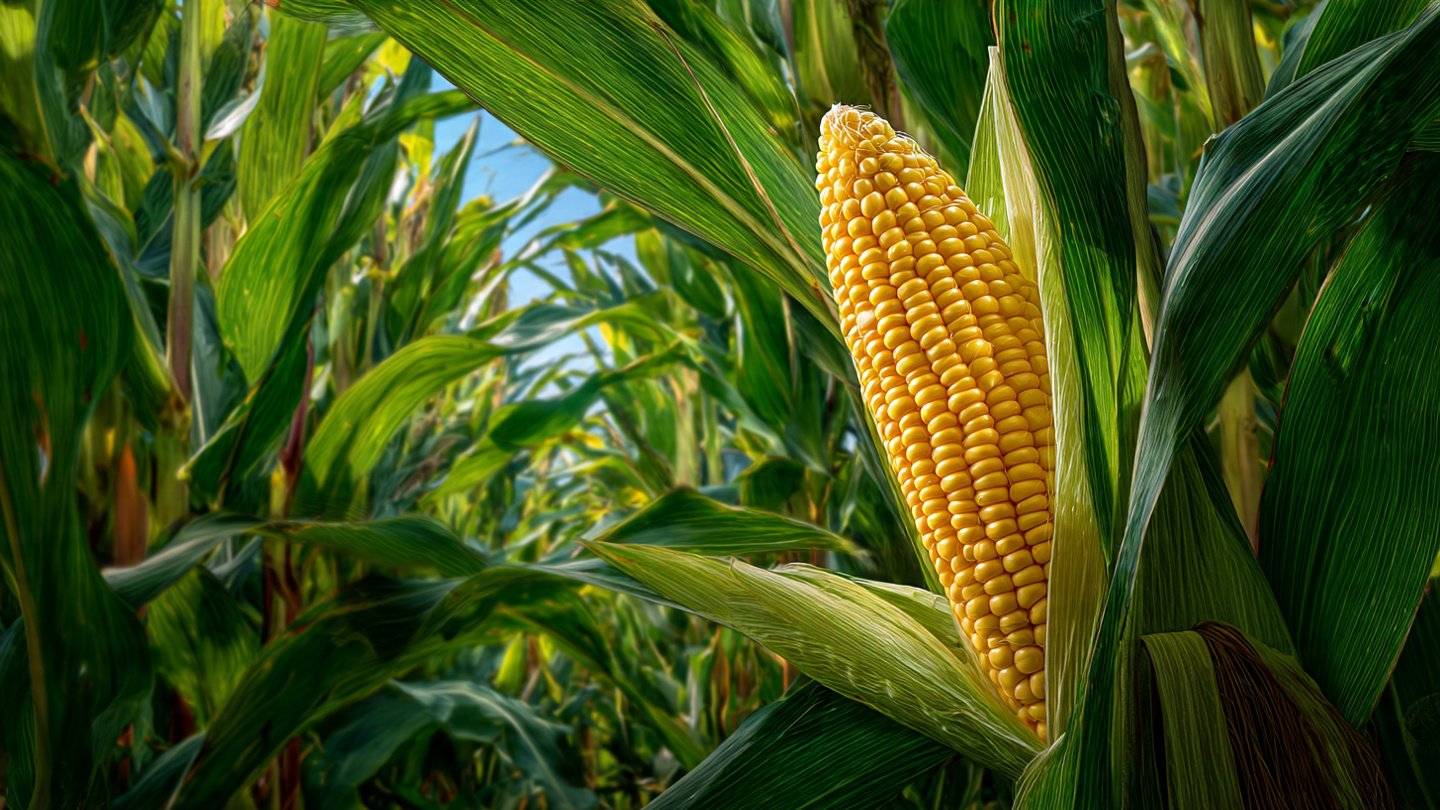
Corn, one of the most widely cultivated crops in the world, thrives naturally under specific conditions that align with its biological and environmental needs. For farmers and home gardeners alike, understanding these natural factors can lead to a bountiful corn harvest without requiring special techniques or high-tech interventions. This article delves deep into what makes summer corn thrive, focusing on its growth requirements, environmental factors, and the best practices that promote healthy development.
The Basics of Corn Growth
Corn (Zea mays) is a warm-season annual grass that has been cultivated for thousands of years. It is not just a staple food but a crucial component of various industries, from livestock feed to biofuel. The growth cycle of corn can be broken down into several key stages: germination, vegetative growth, pollination, and maturation. Each stage requires specific conditions to thrive.
Germination
Germination occurs when the seed absorbs moisture and swells, leading to the emergence of the radicle, or root. Corn seeds typically germinate best at soil temperatures between 50°F and 86°F (10°C to 30°C). If you plant corn too early in the season when the soil is still cold, the seeds may rot before they can germinate.
Key Factors:
- Moisture: Seeds need adequate moisture to sprout. However, too much water can lead to rot.
- Temperature: Warm soil temperatures are essential for the speedy germination of corn seeds.

Vegetative Growth
Once the corn has germinated, the vegetative growth phase begins. This stage involves the development of leaves, stalks, and roots. The plant needs nutrients, sufficient light, and optimal temperatures to grow vigorously.
Key Factors:
- Soil Quality: Corn prefers well-draining, loamy soils rich in organic matter.
- Nutrient Availability: Essential nutrients like nitrogen, phosphorus, and potassium are vital for healthy growth.
- Light: Corn requires full sun for at least six to eight hours a day, aiding in photosynthesis and energy production.
Pollination
Pollination is a critical phase where the male tassels produce pollen that needs to reach the female silks for fertilization. Adequate weather conditions during this delicate phase can significantly impact yield.
Key Factors:

- Timing: Corn is typically wind-pollinated, so timing the blooming of the tassels and silks is crucial.
- Humidity and Temperature: Ideal pollination occurs when daytime temperatures are warm and humidity levels are conducive to pollen survival.
Maturation
The final stage is maturation, where the kernels develop, and the plant prepares for harvest. Factors influencing maturation include the length of the growing season, pests, and diseases.
Key Factors:
- Growing Season: Corn typically requires 60 to 100 days from planting to harvest, depending on the variety.
- Stress Factors: Drought or excessive moisture can lead to poor kernel development.
Environmental Requirements for Thriving Summer Corn
Climate
Corn thrives in warm climates with a growing season characterized by lengthy daytime temperatures. Ideal growing conditions involve:

- Temperatures: Optimal growth occurs between 70°F and 86°F (21°C to 30°C).
- Rainfall: Corn requires approximately 20 to 30 inches of water during the growing season, ideally distributed through rainfall or irrigation.
Soil Conditions
Healthy soil lays the foundation for strong corn plants. The following soil conditions are optimal:
- pH Level: Corn grows best in slightly acidic to neutral pH (6.0 to 7.0).
- Drainage: Well-drained soils prevent waterlogging, which can damage roots.
- Organic Matter: Incorporating compost or other organic materials can enhance soil structure and nutrient availability.
Sunlight
Corn is a sun-loving plant that requires full sun exposure for optimal growth. Its tall structure means that adequate spacing allows each plant to receive sufficient light, which is crucial for photosynthesis.

Natural Practices to Enhance Corn Growth
While advanced agricultural techniques can boost yields, many natural practices can be equally effective without the high costs or complexities involved. Here are some natural approaches to enhance corn growth:
Crop Rotation
Practicing crop rotation can improve soil health and disrupt pest cycles, leading to healthier corn plants. Planting legumes or other crops before corn can replenish nitrogen levels naturally.
Companion Planting
Certain plants can benefit corn when grown alongside it. For example, beans and squash complement corn, known as the “Three Sisters” approach used by Indigenous peoples of the Americas. Beans fix nitrogen in the soil, while squash can provide ground cover that reduces weed competition.
Mulching
Applying organic mulch like straw or wood chips around corn plants can help retain soil moisture, suppress weeds, and gradually add organic matter as it breaks down.
Natural Pest Management
Utilizing beneficial insects such as ladybugs or introducing natural predators can help keep harmful pests at bay, reducing the need for chemical interventions.

The Importance of Timing
Timing is a critical factor in corn cultivation. Planting at the right time ensures that corn can take full advantage of favorable growing conditions. In general, corn should be planted after the last frost date in spring when soil temperatures are consistently warm.
Seasonal Variability
Understanding your local climate can help determine the best planting schedule. In warmer regions, corn can be planted earlier in the spring, while in cooler areas, a later planting date is advisable. Additionally, monitoring weather patterns can inform decisions on irrigation and pest management.
Conclusion
Summer corn thrives due to a combination of understanding its natural growth cycles, creating optimal environmental conditions, and employing sensible agricultural practices. By focusing on the basics—temperature, soil quality, sunlight, and the right timing—gardeners and farmers alike can achieve robust yields without relying on special techniques or technology.
Investing time in learning about corn’s natural preferences and nurturing its growth in tandem with these principles can yield delicious, nutritious crops, ensuring that corn remains a staple food for generations to come. Whether through crop rotation, companion planting, or simple moisture management, a return to nature’s fundamentals can enrich the corn-growing experience, fostering a deeper connection to the land and its offerings.