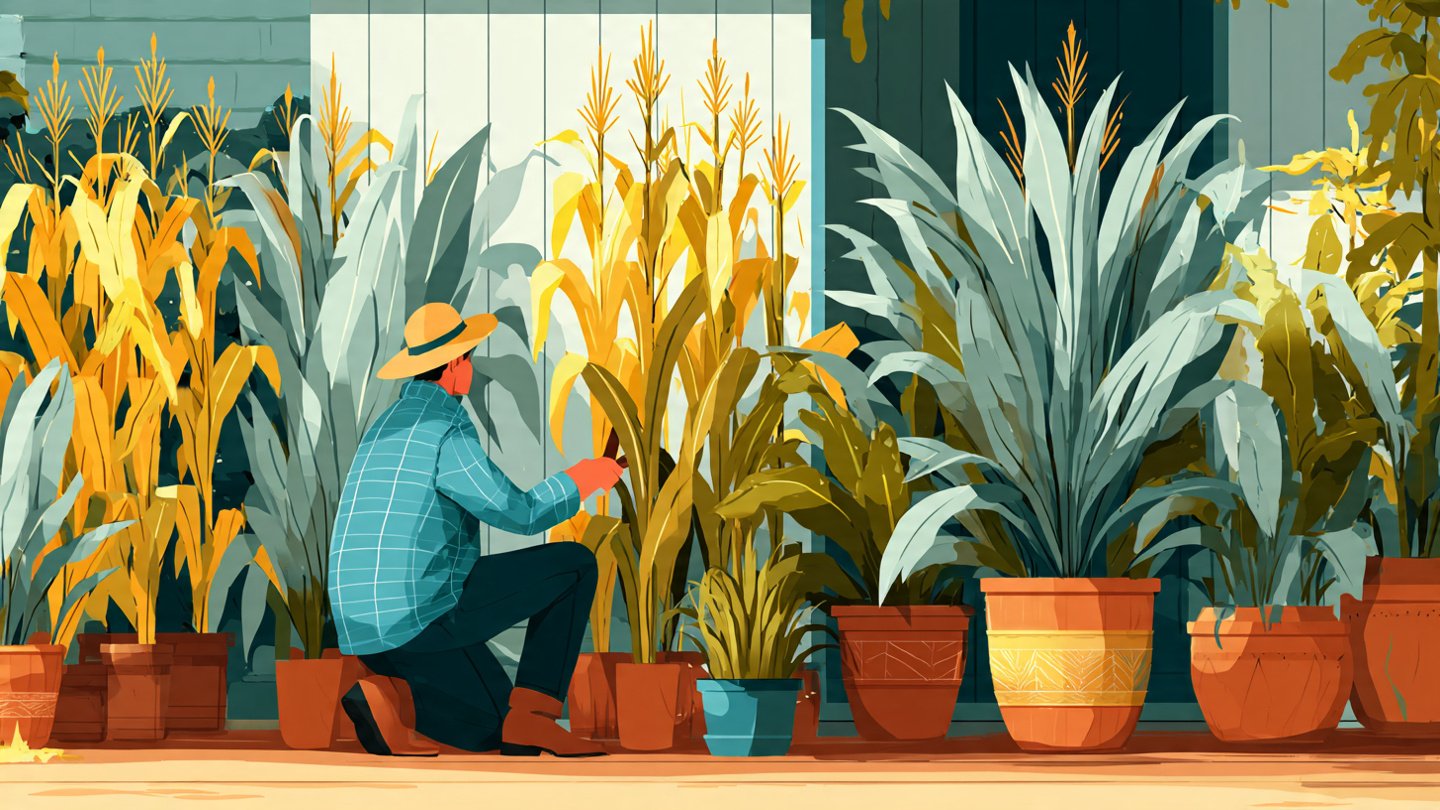
Potted plants are a beautiful addition to any home, providing a sense of nature indoors and improving air quality. However, they require regular care and maintenance, especially when it comes to trimming overgrown leaves. Knowing how to trim these leaves effectively is crucial for healthy plant growth and aesthetics. This guide will take you through the best practices for trimming overgrown leaves, ensuring your plants continue to thrive.
Understand the Importance of Regular Trimming
Trimming is not just about aesthetics; it plays a vital role in the overall health of your potted plants. Here are a few reasons why regular trimming is essential:
- Promotes Healthy Growth: Trimming helps redirect energy from overgrown leaves to new growth, ensuring the plant remains vigorous.
- Improves Air Circulation: Removing excess foliage allows for better airflow around the plant, which can prevent diseases.
- Enhances Light Penetration: Well-trimmed plants receive more light, promoting photosynthesis and growth.
- Aesthetics: Regular trimming keeps your potted plants looking tidy and encourages a bushier growth habit.
Tools You Will Need
Before you start trimming, make sure you have the right tools at hand:

- Sharp Pruning Shears: Dull tools can damage the plant, so make sure your shears are sharp and clean.
- Gardening Gloves: Protect your hands from thorns and sap.
- Disinfectant: Consider using alcohol or a bleach solution to disinfect your tools before cutting.
- Stakes or Supports: If necessary, use stakes to support your plant after trimming.
Steps to Trim Overgrown Leaves Effectively
1. Assess the Plant’s Needs
Before you start cutting, take a moment to examine your plant. Look for the following:
- Dead or yellowing leaves
- Cramped or tangled growth
- Any branches that cross each other
Identifying these issues will guide your trimming process.

2. Identify What to Cut
Your primary focus should be on:
- Dead or Dying Leaves: Remove leaves that are completely brown, yellow, or wilting.
- Discolored Leaves: Leaves that show signs of disease should also be trimmed away to prevent spreading.
- Overlapping Growth: If branches are crossing, trim back one of the overlapping branches to promote healthier growth.
3. Start Trimming
Now it’s time to get to work. Follow these guidelines:
- Trim Above a Node: Always cut just above a leaf node (where the leaf meets the stem). This encourages new growth from that point.
- Make Clean Cuts: Use a single motion to make cuts. This reduces the likelihood of tearing the plant tissue.
- Limit Your Cuts: Try to remove no more than 25% of the plant at a time to avoid shocking the plant.

4. Clean Up
After you’re done trimming, gather all the cuttings. Dispose of them properly to avoid attracting pests. If any leaves were diseased, consider bagging them for disposal to prevent the spread of disease.
5. Care After Trimming
Post-trimming care is essential for plant recovery:
- Water Adequately: Give your plant a good drink, but avoid overwatering as the plant may not absorb as much water at this time.
- Monitor the Plant: Keep an eye on your plant for signs of stress or new growth in the following weeks.
- Fertilize Sparingly: Wait a few weeks before fertilizing, giving your plant time to recover.
Common Mistakes to Avoid
Here are a few common mistakes to watch out for during the trimming process:

- Using Dull Tools: This can cause injury to the plant. Ensure your tools are sharp.
- Over-trimming: Cutting too much at once can stress the plant. Always err on the side of caution.
- Ignoring Plant Type: Different plants have different needs; research the specific trimming needs of your plant species.
Conclusion
Properly trimming overgrown leaves on your potted plants is a skill that pays off in health and aesthetics. By understanding the importance of trimming, having the right tools, and following a systematic approach, you can keep your plants looking their best while promoting healthy growth. Remember to assess your plants carefully, and always take your time to trim thoughtfully. With consistent care, your potted plants will flourish and bring joy to your home.
FAQs
1. How often should I trim my potted plants?
It depends on the plant species and growth rate. Generally, a good rule of thumb is to trim every few months or as needed, especially if you notice overgrowth.
2. Can I use regular scissors instead of pruning shears?
While you can use regular scissors in a pinch, pruning shears are specifically designed for cutting plant material cleanly, reducing damage to the plant.

3. Should I trim my plants during winter?
Most plants should be trimmed during their active growing season (spring and summer). However, you can remove dead or damaged leaves in winter if necessary.
4. What should I do if I accidentally cut too much?
If you’ve cut too much, just give the plant some time to recover. Ensure it has proper care, and avoid fertilizing until it shows signs of new growth.
5. Can trimming make my plant grow faster?
Yes! Regular trimming can help redirect the plant’s energy toward new growth, making it appear fuller and healthier.