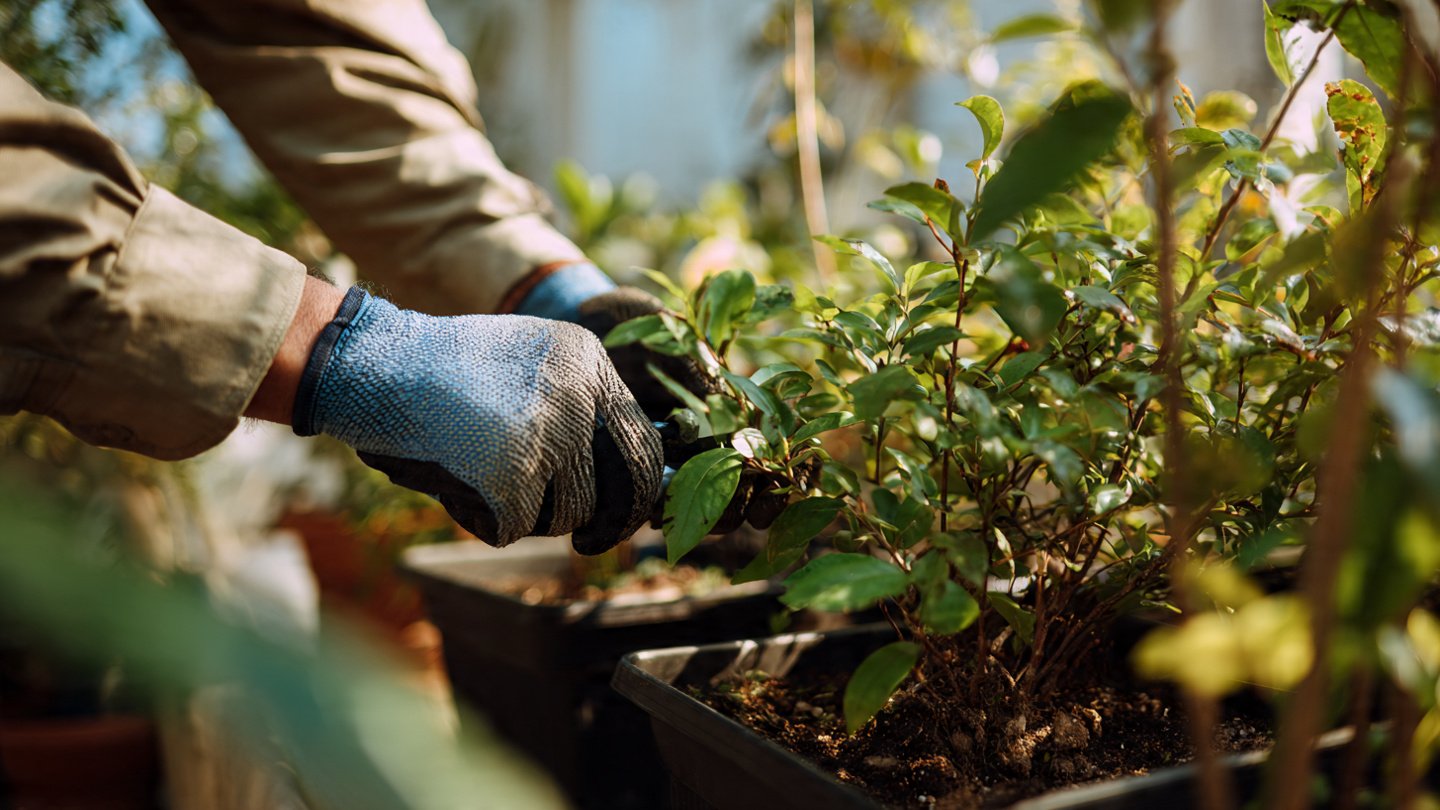
Potted plants add beauty and vibrancy to indoor and outdoor spaces. However, as they grow, their leaves can become overgrown, leading to unsightly appearances and potential health issues for the plant. Proper trimming is essential for maintaining the health and aesthetics of your plants. In this article, we will guide you on how to effectively trim overgrown leaves in potted plants, ensuring they thrive and remain beautiful.
Understanding the Importance of Trimming
Trimming, or pruning, is a crucial aspect of plant care. It involves cutting back overgrown leaves and branches for several reasons:
- Promotes Healthy Growth: Trimming encourages new growth by allowing more sunlight to reach the inner leaves and stems.
- Improves Air Circulation: Reducing foliage density helps air circulate better, minimizing the risk of pests and diseases.
- Enhances Appearance: Regular trimming maintains the plant’s shape and encourages bushier growth, making it more visually appealing.
- Prevents Overcrowding: In densely populated pots, trimming can help prevent competition for resources like water and nutrients.
Tools You Will Need
Before you begin trimming, gather the necessary tools. Here’s a list of basic tools that are essential for the job:

- Pruning Shears: Sharp, clean scissors or pruning shears are essential for making clean cuts.
- Gloves: Protect your hands from potential plant sap or thorny plants.
- Disinfectant: Use rubbing alcohol or diluted bleach solution to disinfect your tools before and after use.
- Container: Have a container ready for collecting the trimmed leaves and branches.
Steps to Trim Overgrown Leaves Effectively
1. Assess the Plant
Before you begin trimming, take a moment to assess your plant. Look for the following:
- Which areas are overgrown?
- Are there any dead or diseased leaves?
- Is the plant exhibiting signs of stress, such as yellowing or wilting?

2. Determine Your Trimming Goals
Decide what you want to achieve with the trimming. Are you looking to reduce the overall size, remove dead leaves, or enhance the shape? Having clear goals will guide your trimming approach.
3. Start with Clean Tools
Always start with sanitized tools to prevent spreading disease. Wipe the blades with rubbing alcohol or a disinfectant before making any cuts.
4. Trim Slowly and Methodically
Begin by trimming away the most overgrown leaves first. Follow these tips:
- Cut at a 45-degree angle to promote healing and reduce moisture retention.
- Make sure not to cut too much—never remove more than one-third of the plant’s foliage at a single time.
- Focus on the base of leaves and branches when cutting to encourage new growth from the same spot.

5. Remove Dead or Damaged Leaves
As you trim, identify and remove any dead or damaged leaves. These can pull resources from the healthy parts of the plant. Trim these leaves back to where they meet healthy tissue.
6. Shape the Plant
Once you have trimmed away the overgrown areas, step back and assess the overall shape of the plant. If one side is much bushier, consider trimming that side to create a more balanced look.
7. Clean Up
Dispose of the trimmed leaves and branches. Leaving them on the soil can encourage pests and diseases.
Care After Trimming
After trimming your plants, it’s essential to care for them properly. Follow these guidelines:

- Watering: Water your plants lightly after trimming, but avoid overwatering to prevent root rot.
- Fertilizing: Consider giving your plant a balanced fertilizer after a week to promote new growth.
- Monitoring: Keep an eye on your plants for the next few weeks to ensure they are recovering well.
Conclusion
Trimming overgrown leaves on potted plants is an essential task that contributes to their overall health, growth, and appearance. By utilizing the right tools, taking a methodical approach, and providing care post-trimming, you can ensure your plants not only survive but thrive. Regularly assessing your plants and trimming as needed will keep your indoor and outdoor spaces vibrant and beautiful, showcasing the full potential of your green companions.
FAQs
1. How often should I trim my potted plants?
It’s advisable to trim your plants every few months, or as needed, based on their growth patterns and appearance. Regular maintenance helps prevent overgrowth and keeps your plants healthy.
2. What should I do if I accidentally cut too much?
If you cut too much, don’t panic. Keep the plant hydrated and provide optimal care. Most plants will recover with time, especially if they have healthy roots.

3. Can I use regular scissors instead of pruning shears?
While you can use regular scissors, pruning shears are designed for more precise cuts and are less likely to damage the plant. Using sharp pruning tools is always recommended for the best results.
4. Is it better to trim during a specific season?
Spring is typically the ideal season for trimming many types of plants, as they are actively growing. However, other plants might benefit from trimming during their dormant seasons, like fall or winter.
5. What are the signs that a plant needs trimming?
Look for signs such as leggy growth, yellowing leaves, or obvious overcrowding; these are indicators that your plant may need a trim.