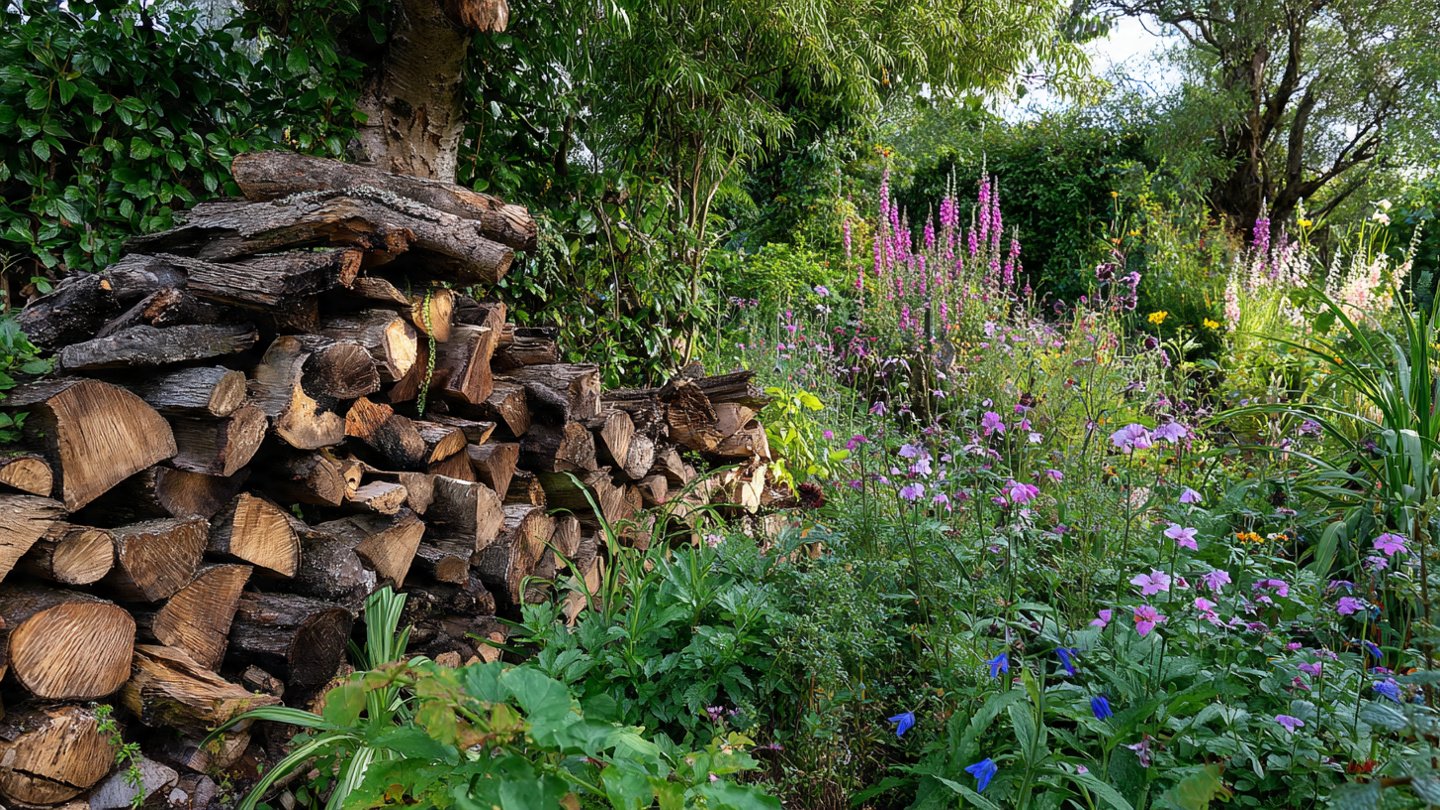
Why Does Your Garden Thrive with a Dead Wood Pile for Insects?
Creating a thriving garden is a goal many gardeners share, and the importance of biodiversity in achieving this cannot be overstated. One of the most effective ways to enhance biodiversity in your garden is by incorporating a dead wood pile, often overlooked by gardening enthusiasts. This simple yet impactful feature serves as a habitat for various beneficial insects, fostering a rich tapestry of life that is essential for a healthy garden ecosystem.
The Ecosystem Services Provided by Dead Wood Piles
Dead wood piles play a crucial role in garden ecosystems, offering a multitude of services:
- Habitat Creation: These piles provide shelter for a diverse range of insects and other organisms, including beetles, ants, and various larvae.
- Nutrient Cycling: Decomposing wood contributes organic matter to the soil, improving its fertility and structure.
- Food Source: Many insects, including those that pollinate plants, can feed on decaying wood or the fungi that inhabit these piles.
- Microclimate Regulation: Dead wood can create cooler, shaded areas that benefit moisture-loving organisms during hot weather.

Attracting Beneficial Insects
Insects play an essential role in pollination, pest control, and soil health, making them invaluable to any garden. Here’s how a dead wood pile can facilitate their presence:
- Home for Pollinators: Solitary bees and other pollinators often seek refuge in dead wood for nesting and protection.
- Predatory Insects: Beneficial predators like ladybugs and lacewings can reside in dead wood piles, helping control pest populations.
- Natural Pest Management: By attracting predatory insects, you can reduce dependence on chemical pesticides, allowing for a more natural and balanced ecosystem.
Supporting the Food Web
Dead wood is a cornerstone of diverse food webs. It supports not only insects but also birds, mammals, and fungi. The interactions create a robust ecosystem:

- Food for Birds: Many birds, such as woodpeckers and nuthatches, forage in dead wood for insects, aiding in natural pest control.
- Fungal Growth: Fungi play a critical role in breaking down wood, returning nutrients to the soil while also serving as a food source for various insects.
- Soil Enrichment: As organisms decompose dead wood, they contribute to the organic matter in the soil, enhancing fertility.
Best Practices for Creating a Dead Wood Pile
While the benefits of a dead wood pile are clear, creating one effectively requires some thought:
- Location: Place the pile in a sheltered area of the garden where it won’t be disturbed frequently.
- Size Matters: A pile about three to four feet high and several feet wide is ideal for a variety of animals to inhabit.
- Diversity of Materials: Include wood of varying sizes—logs, branches, and twigs—to attract different species.
- Avoid Treatment: Use untreated wood to avoid introducing harmful chemicals into the ecosystem.

The Long-Term Benefits of a Dead Wood Pile
While the immediate benefits of a dead wood pile might be evident, it’s essential to look at the long-term advantages for your garden:
- Resilience: A biodiverse garden is more resilient to pests, diseases, and environmental changes.
- Sustainable Gardening: Fostering natural processes reduces the need for artificial fertilizers and pesticides.
- Educational Opportunities: A dead wood pile serves as a perfect learning tool for children and adults alike, teaching about ecosystems and biodiversity.
Conclusion
Incorporating a dead wood pile into your garden is a simple yet effective strategy to enhance biodiversity, support beneficial insects, and create a thriving ecosystem. As you embrace this sustainable practice, not only will your plants benefit, but you’ll also contribute to the overall health of the environment. So, the next time you wonder what to do with that pile of trimmings or downed branches, remember—the best use might just be to let nature take its course and create a home for the insects that will help your garden flourish.

FAQs
1. Will a dead wood pile attract pests?
While it’s possible for some pests to be drawn to a dead wood pile, most beneficial insects will help keep pest populations in check. Additionally, a diverse ecosystem will balance itself, minimizing potential infestations.
2. How often should I maintain my dead wood pile?
Generally, it’s best to leave the pile undisturbed. However, you may need to occasionally check for stability and to add new materials from your garden or yard.
3. Can I use treated wood for my dead wood pile?
No, treated wood often contains chemicals that could harm beneficial insects and the surrounding ecosystem. Use only untreated wood for safety.

4. How long does it take for a dead wood pile to start attracting insects?
Insects can start using a newly created wood pile almost immediately. However, establishing a fully functioning ecosystem may take several months to a couple of years.
5. Can I combine a dead wood pile with other garden features?
Absolutely! A dead wood pile can be part of a larger wildlife garden, which may include native plants, wildflower patches, and water features to create a rich habitat for various wildlife.