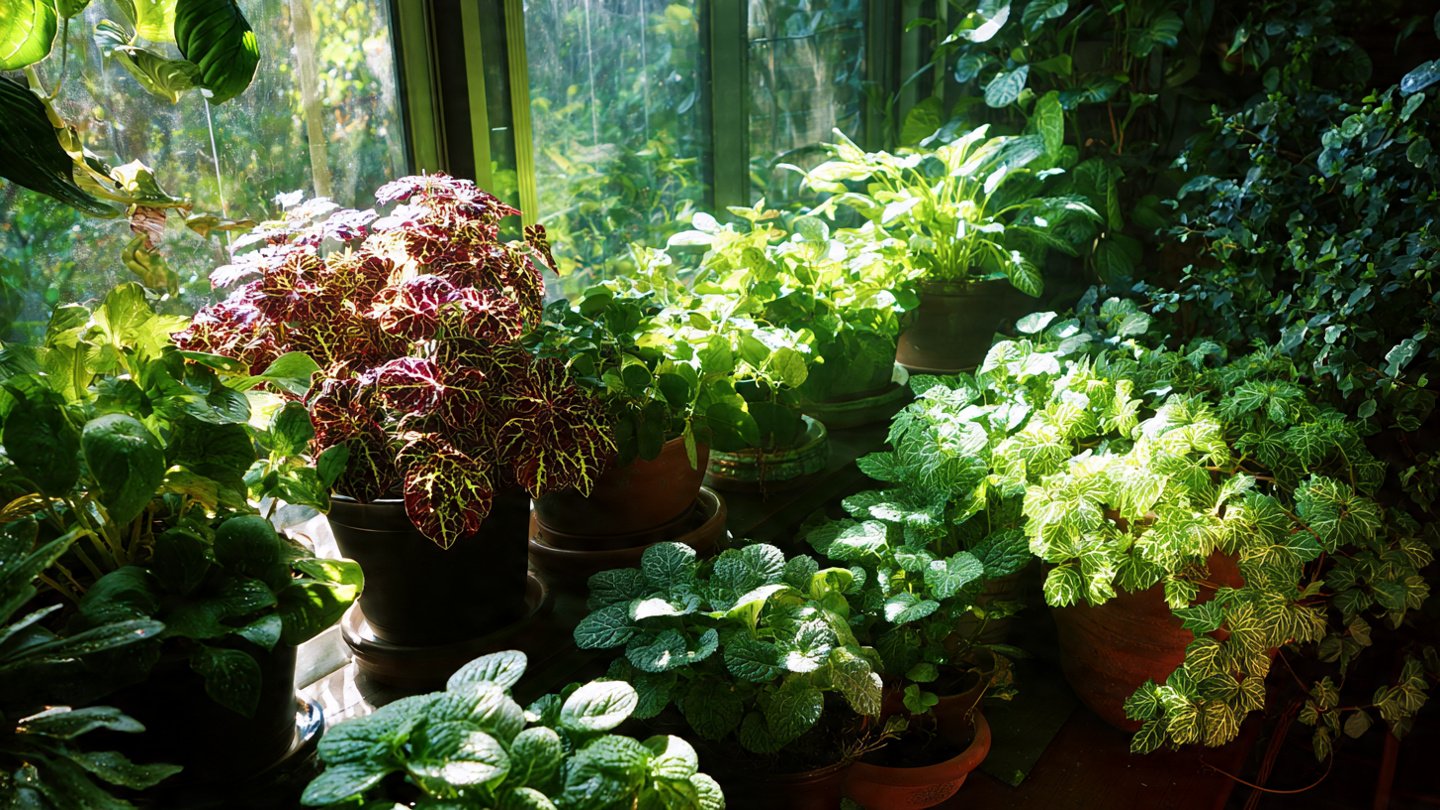
Shade plants are typically known for their love of low light, but there may be situations where these plants find themselves exposed to direct sunlight for extended periods. This can happen due to changes in the landscape, tree canopy loss, or deliberate garden redesigns. While many shade-loving plants may struggle under these conditions, there are effective strategies to help them adapt and thrive. This article explores the best ways to maintain the health of your shade plants in a sunlit environment.
1. Understand Your Plants’ Needs
Before making any changes, it’s crucial to understand the specific needs of your shade plants. Different species may have varying tolerances to sunlight, even among plants categorized as shade lovers.
-
Native Species: Many native shade plants may have some tolerance to sun exposure due to their evolutionary adaptations. Research the native habitat of your plants to better understand their light preferences.
-
Microclimates: Your garden may have areas that are more prone to sunlight than others. Identify spots that may receive dappled or indirect light, as these can provide a buffer for your shade plants.
2. Gradual Acclimatization
Sudden exposure to direct sunlight can shock shade plants. To help them adapt, consider gradual acclimatization:
-
Slow Introduction: Begin by placing your plants in a location with partial shade for several days or weeks before moving them to a sunnier spot. This slow transition will help them adjust without the stress of immediate direct exposure.
-
Partial Shade: Use shade cloths or moveable structures to provide temporary shade. Start with about 50% shade and gradually decrease the protection as the plants adapt.

3. Provide Adequate Watering
Watering is essential for keeping plants healthy, especially when they are under stress:
-
Consistent Moisture: Shade plants often prefer moist conditions. Water them adequately, particularly during hot, sunny days. Ensure that the soil is consistently damp but not waterlogged.
-
Deep Watering: Water deeply to encourage roots to grow deep into the soil, allowing them to access moisture even when surface soil dries out.
-
Mulching: Apply a layer of organic mulch around your plants to help retain moisture, regulate soil temperature, and reduce competition from weeds.
4. Improve Soil Quality
The quality of the soil plays a significant role in the health of your plants:
-
Nutrient-Rich Soil: Conduct a soil test to assess nutrient levels and pH. Many shade plants thrive in rich, organic soil. Amend your soil with compost or well-rotted manure to enhance its nutrient content.

-
Drainage: Ensure proper drainage to prevent root rot, especially in sunny locations where water evaporates quickly. This can be achieved through raised beds or by incorporating organic matter to improve soil structure.
5. Select the Right Location
Placement is critical when it comes to shade plants in sunnier spots:
-
Morning Sun vs. Afternoon Sun: Many shade plants can tolerate morning sun but not the harsher afternoon rays. If feasible, plant them where they will receive morning light, leaving them shaded during the hottest parts of the day.
-
Use Natural Shade: Leverage existing structures like fences or existing trees to provide shadow. Consider planting near taller plants that can provide afternoon shading for the more vulnerable species.
6. Choose the Right Plants
If you decide to replace or add to your existing shade plantings, consider varieties known for their sun tolerance:
-
Tolerant Species: Look for shade plants labeled as part sun or sun-tolerant varieties. Some examples include mahonia, hostas, and certain ferns like the lady fern.
-
Consider Wildflowers: Native wildflowers that thrive in partial shade may serve as excellent companions for shade plants, providing color and texture while also being more resilient in changing light conditions.

7. Fertilization
Proper feeding can help your shade plants recover from stress:
-
Slow-Release Fertilizers: Use slow-release or organic fertilizers to provide a steady supply of nutrients. This is especially important for plants that may be stressed due to unexpected sun exposure.
-
Fertilizing Schedule: Fertilize during the growing season while avoiding over-fertilization, which can harm the plants. Always follow the recommended guidelines for each plant species.
8. Monitor for Pests and Diseases
Stress from sun exposure can make plants more vulnerable to pests and diseases:
-
Regular Inspections: Check your plants regularly for any signs of pests like aphids, spider mites, or fungal infections. Treat any infestations promptly to prevent further damage.
-
Companion Planting: Consider companion planting to naturally deter pests and promote a balanced ecosystem in your garden.

9. Pruning and Maintenance
Regular maintenance can ensure your shade plants remain healthy:
-
Prune Dead or Damaged Leaves: Keep the plants tidy by removing any dead or damaged leaves. This allows more light airflow to the healthy parts of the plant.
-
Deadheading Flowers: If your shade plants produce flowers, deadheading can encourage further blooms and divert energy back into root and foliage development.
10. Use Companion Plants for Natural Shade
Planting companion plants can create a micro-ecosystem that benefits shade plants:
-
Larger Plants: Pair shade plants with taller, sun-loving plants that can provide intermittent shade. This creates a layered effect and minimizes the stress caused by direct sunlight.
-
Ground Covers: Use ground covers to provide additional shade and reduce soil temperature around the base of shade plants.

11. Consider Container Gardening
When in doubt, consider growing shade plants in containers:
-
Mobility: Container gardening allows you to move plants around as needed to find the ideal amount of light. If a plant starts to show signs of stress, simply relocate it to a more suitable location.
-
Soil Control: Containers provide more control over soil conditions and drainage, which can be crucial for plants adapted to shadier, more moisture-retentive environments.
Conclusion
In summary, keeping your shade plants thriving in direct sun is indeed possible with the right strategies. Understanding your plants’ needs, gradually acclimatizing them, and focusing on proper watering, soil quality, and maintenance can significantly enhance their chances of thriving under less-than-ideal conditions.
Additionally, it’s essential to be proactive in monitoring their health, adjusting care as needed, and selecting appropriate species that can withstand sunlight. With patience and thoughtful planning, you can nurture a thriving garden that brings the richness of shade-loving plants into brighter environments. Remember that gardening is a continual learning process; through observation and adjustment, you can create a beautiful, diverse landscape that celebrates both shade and sun.