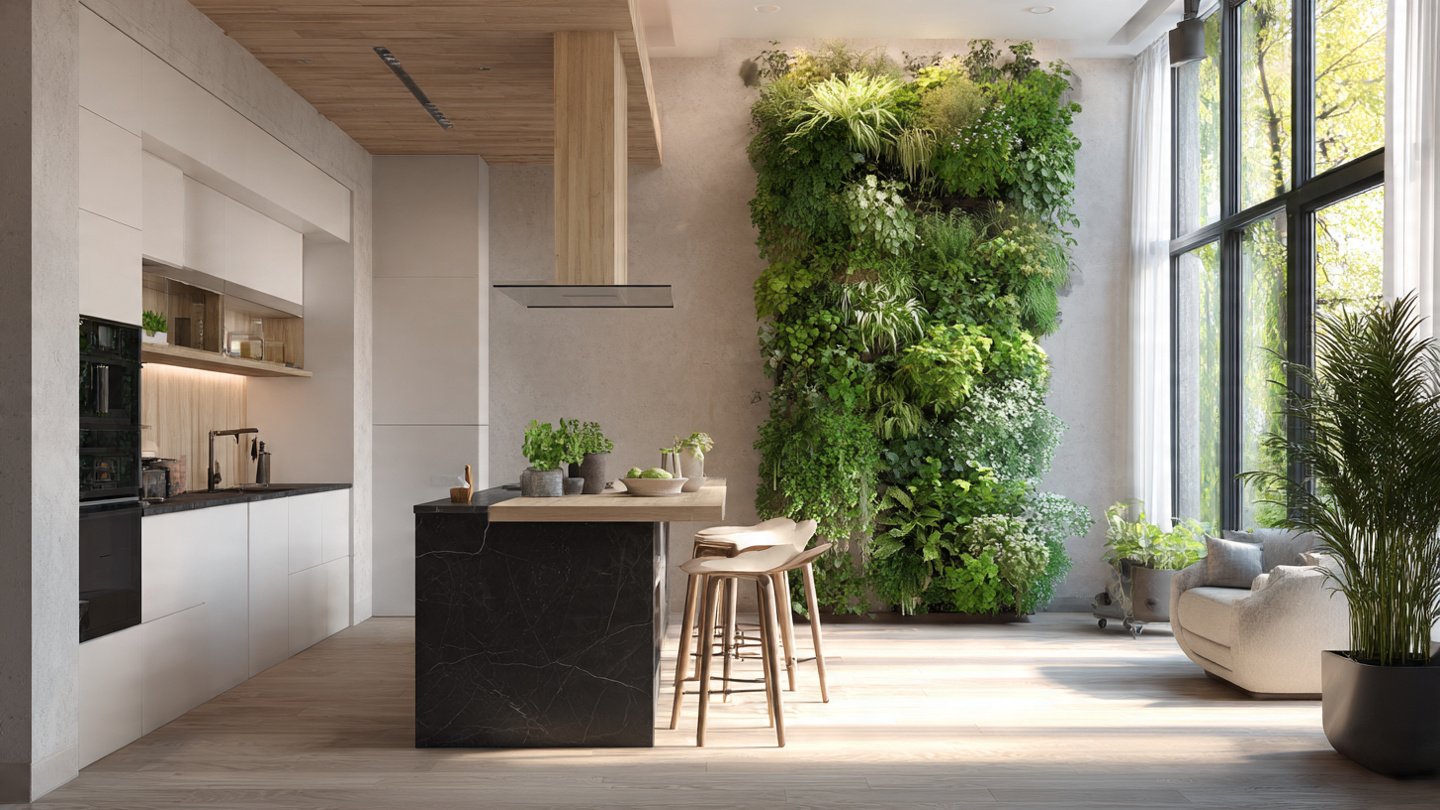
In today’s fast-paced world, modern kitchens are not just spaces to cook meals but also multifunctional areas that can elevate your culinary experience. One innovative way to add style, functionality, and a splash of greenery to your kitchen is by installing a vertical herb wall. This article will guide you through the transformative benefits, installation tips, maintenance, and the overall impact of a vertical herb wall on your kitchen.
Why Choose a Vertical Herb Wall?
A vertical herb wall can turn an ordinary kitchen into an extraordinary space for multiple reasons:
- Space-Saving: Vertical herb walls take up minimal floor space while maximizing growing area.
- Freshness at Your Fingertips: Imagine having fresh herbs available for culinary creations without needing to sprint to the grocery store.
- Aesthetic Appeal: A wall of vibrant green herbs adds a natural aesthetic to your kitchen, enhancing its overall look.
- Waste Reduction: By growing your own herbs, you reduce packaging waste, contributing positively to the environment.
- Health Benefits: Fresh herbs are packed with essential oils and nutrients, making them a healthy addition to your meals.
Planning Your Vertical Herb Wall
Before diving into the installation, it’s essential to plan your vertical herb garden effectively. Here are some key points to consider:

1. Location
Choose a location that receives plenty of natural light, ideally 6-8 hours a day. Consider placing it near windows or within reach of natural sunlight. If you’re short on windows, consider using grow lights to supplement natural light.
2. Size and Layout
Decide the size of your herb wall based on available space and how much variety you want. A smaller wall can accommodate five to ten herb plants, while a larger structure can host an array of species. Consider the arrangement—placing taller herbs like basil at the top and shorter ones like chives at the bottom.
3. Choosing Herbs
Select herbs that you frequently use and can thrive in your kitchen environment. Popular choices include:
- Basil
- Parsley
- Cilantro
- Mint
- Thyme

Make sure to choose herbs with similar light and watering needs for best results.
Materials Needed for Your Vertical Herb Wall
To create a stunning vertical herb wall, gather the following materials:
- Planters: Wall-mounted planters or vertical garden kits are ideal.
- Potting Mix: Use high-quality potting soil designed for lightweight planting.
- Watering System: Depending on your design, consider a drip irrigation system or self-watering pots.
- Tools: Basic gardening tools like trowels, watering cans, and scissors.
Installation Steps
Installing a vertical herb wall is a straightforward process. Follow these steps for best results:

Step 1: Prepare Your Wall
Ensure the wall is clean and can support the weight of the planters filled with soil and plants. Depending on your layout, consider installing a wooden frame or a grid system to add support.
Step 2: Install the Planters
Secure the wall-mounted planters or vertical garden system directly onto the wall. Use brackets or screws to ensure stability. Follow the manufacturer’s instructions if you’re using a kit.
Step 3: Add Soil and Plants
Fill the planters with potting mix, leaving enough space for each herb plant. Gently remove plants from their containers and place them into the soil, ensuring roots are well-covered.
Step 4: Watering and Maintenance
Water the herbs thoroughly after planting. Set a regular watering schedule based on the needs of your selected herbs, ensuring not to overwater. Observe the plants regularly to address any issues that may arise.
Maintaining Your Vertical Herb Wall

Once installed, a vertical herb wall requires some maintenance. Here are some tips to keep your herbs thriving:
- Water Regularly: Check the moisture level of the soil and adjust your watering schedule accordingly. Herbs generally prefer slightly moist soil.
- Prune Often: Regularly trim your herbs to encourage growth and prevent them from becoming leggy.
- Watch for Pests: Keep an eye out for pests and diseases. Use organic pest control methods when needed.
- Rotate Plants: If some plants are growing faster than others, consider rotating their positions to ensure even sunlight and growth.
Conclusion
A vertical herb wall is an innovative way to transform your kitchen into a vibrant space for both cooking and aesthetics. It allows you to cultivate fresh herbs, enhances your culinary skills, reduces environmental impact, and adds a touch of nature to your home. With proper planning, installation, and maintenance, you can enjoy the benefits of a vertical herb wall for years to come, making every meal a little more special.
FAQs
1. How much sunlight do herbs need?
Most herbs require 6-8 hours of sunlight daily. Place your herb wall near a window that receives ample natural light or consider using grow lights if natural light is insufficient.

2. Can I use any type of planter for my vertical herb wall?
While you can use various types of containers, it’s best to choose wall-mounted or vertical garden planters designed to support plant roots and allow for adequate drainage.
3. How often do I need to water my herbs?
The frequency of watering will depend on the type of herbs and environmental conditions. Generally, check the soil moisture regularly and water when the top inch feels dry.
4. Which herbs are best for beginners?
Beginning gardeners should consider growing easy-to-care-for herbs like basil, mint, parsley, and chives, which are relatively easy to grow and maintain.
5. What should I do if my herbs start to wilt?
Wilted herbs could be a sign of overwatering or underwatering. Check the soil’s moisture level, trim any wilted leaves, and adjust your watering routine as necessary.