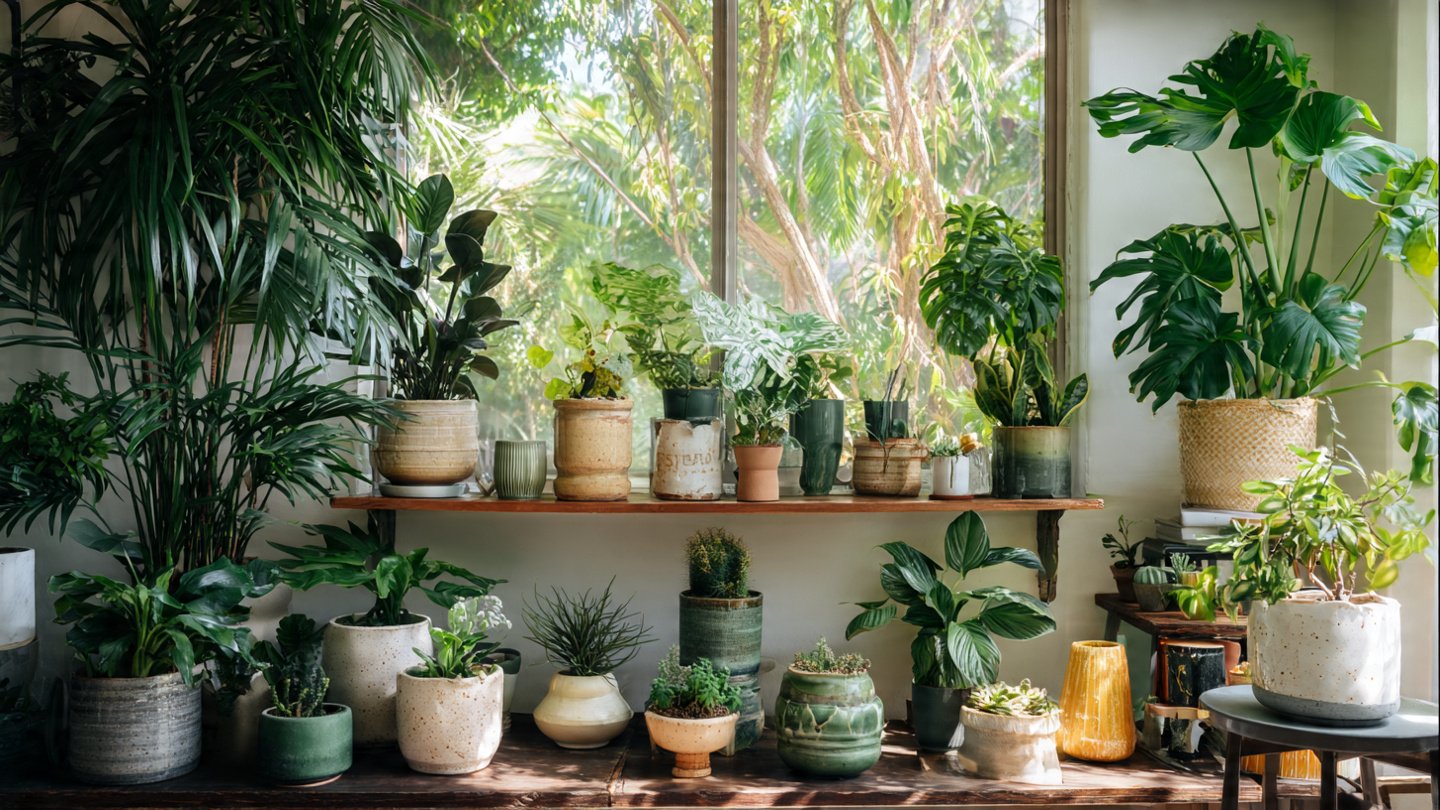
In today’s fast-paced world, maintaining mental and physical wellness is more important than ever. One effective way to achieve this is by incorporating plants into your living or working space. Not only do plants add beauty to your environment, but they also provide numerous health benefits, from improving air quality to boosting mood and productivity. In this article, we will explore various plants that can transform your space into a wellness oasis, promoting relaxation and mindfulness.
The Benefits of Plants for Wellness
Before we delve into specific plants, let’s discuss the various benefits that plants can provide to enhance our well-being:
- Improved Air Quality: Many indoor plants filter toxins from the air, leading to a healthier living environment.
- Stress Relief: The presence of greenery can reduce stress and anxiety levels, making a space feel more peaceful.
- Enhanced Mood: Plants can increase feelings of happiness and reduce fatigue, contributing to better mental health.
- Boosted Productivity: Studies have shown that having plants nearby can enhance focus and concentration.
Top Plants for Wellness

1. Snake Plant (Sansevieria)
The Snake Plant is ideal for beginners and experienced plant owners alike. Known for its tough nature, it thrives on neglect and can survive under low light conditions. This plant is particularly valuable as it converts carbon dioxide into oxygen at night, making it perfect for bedrooms. Its upright, sword-shaped leaves add a modern aesthetic to any space.
2. Peace Lily (Spathiphyllum)
The Peace Lily is not only beautiful with its glossy green leaves and lovely white flowers, but it also offers significant air-purifying properties. This plant thrives in low to medium light and can help filter harmful chemicals like ammonia and benzene from the air. Plus, it adds a touch of elegance to your space.
3. Spider Plant (Chlorophytum comosum)
Known for its air-purifying abilities, the Spider Plant is easy to care for and produces small “baby” spider plants that can be propagated. It thrives in a variety of conditions, making it a versatile addition to your wellness oasis. Spider Plants also absorb pollutants like formaldehyde and carbon monoxide, helping to improve indoor air quality.
4. Lavender (Lavandula)
Renowned for its soothing fragrance, lavender can promote relaxation and alleviate stress. Placing lavender in your space can improve your mood and create a calming atmosphere. It thrives in bright sunlight and well-drained soil, making it suitable for indoor or outdoor setups.

5. Aloe Vera (Aloe barbadensis miller)
Aloe Vera is famous for its skin-soothing properties. Not only does it have healing benefits, but it also helps purify the air. This succulent requires minimal care and thrives in bright, indirect sunlight. Having an Aloe Vera plant nearby can serve both aesthetic and practical purposes, especially in wellness spaces.
6. Bamboo Palm (Chamaedorea seifrizii)
The Bamboo Palm is a great plant for small spaces, growing well in low light and helping to filter indoor air pollutants. Its elegance and tropical look can instantly transform any room into a serene environment. This plant also adds humidity to the air, which can improve respiratory health.
7. Pothos (Epipremnum aureum)
Pothos is one of the easiest plants to grow, making it perfect for beginners. Its trailing vines add a whimsical touch to any space, and it’s excellent at removing indoor toxins. Pothos can thrive in various lighting conditions, allowing you to place it in different areas of your home or office.
8. ZZ Plant (Zamioculcas zamiifolia)
The ZZ Plant is known for its glossy leaves and extreme tolerance to neglect. It’s perfect for low-light conditions and doesn’t need frequent watering. Along with being an attractive addition, it’s an excellent air purifier and can help reduce levels of xylene and toluene in the air.

9. Chamomile (Matricaria chamomilla)
Famed for its calming properties in herbal tea, chamomile can also make a lovely indoor plant. It requires moderate sunlight and can brighten up your space. The aroma of chamomile can help reduce anxiety and promote relaxation.
10. Philodendron
The Philodendron is another popular houseplant known for its heart-shaped leaves and easy maintenance. With a variety of species, you can choose the one that best suits your aesthetic. Philodendrons are great at purifying air by absorbing indoor pollutants.
Creating Your Wellness Oasis
When creating your wellness oasis, it’s essential to consider not only the plants you choose but also how they are arranged. Here are a few tips:
- Strategize Placement: Group plants in areas where you spend the most time, such as living rooms, bedrooms, or office spaces.
- Create Layers: Use varying heights and textures when arranging plants to create visual interest.
- Consider Light Needs: Ensure that the plants selected are appropriate for the light conditions in your space.
- Combine with Natural Elements: Pair plants with natural materials like wood or stone for a more cohesive wellness vibe.

Conclusion
Transforming your space into a wellness oasis is achievable with the right plants. By incorporating varieties that improve air quality, promote relaxation, and uplift your mood, you create an environment that supports mental and physical well-being. Whether you choose low-maintenance plants like the Snake Plant and ZZ Plant or the fragrant Lavender and Aloe Vera, each brings unique benefits to enhance your daily life. Invest in your wellness by bringing nature into your home or workplace, and enjoy the positive impact it can have on your overall health.
FAQs
1. How do I care for indoor plants?
Caring for indoor plants generally involves providing appropriate light, water, and humidity. Make sure to research the specific needs of each plant type, including their watering schedule and sunlight requirements.
2. Can all plants improve air quality?
While many plants have air-purifying properties, some are notably more effective than others. Research the plants that are specifically recognized for their air-cleaning benefits.

3. How often should I water my plants?
Watering frequency depends on the plant species, the size of the pot, and environmental factors like light and humidity. A general rule is to check the top inch of soil; if it’s dry, it’s time to water.
4. Are there any plants that are toxic to pets?
Yes, some common houseplants can be toxic to pets, including Peace Lilies and Aloe Vera. Always ensure you choose pet-friendly plants if you have furry companions.
5. Can plants help with allergies?
Some houseplants can help reduce allergens by filtering out certain pollutants in the air. However, it’s essential to choose low-pollen plants and maintain a regular cleaning routine to minimize dust accumulation.