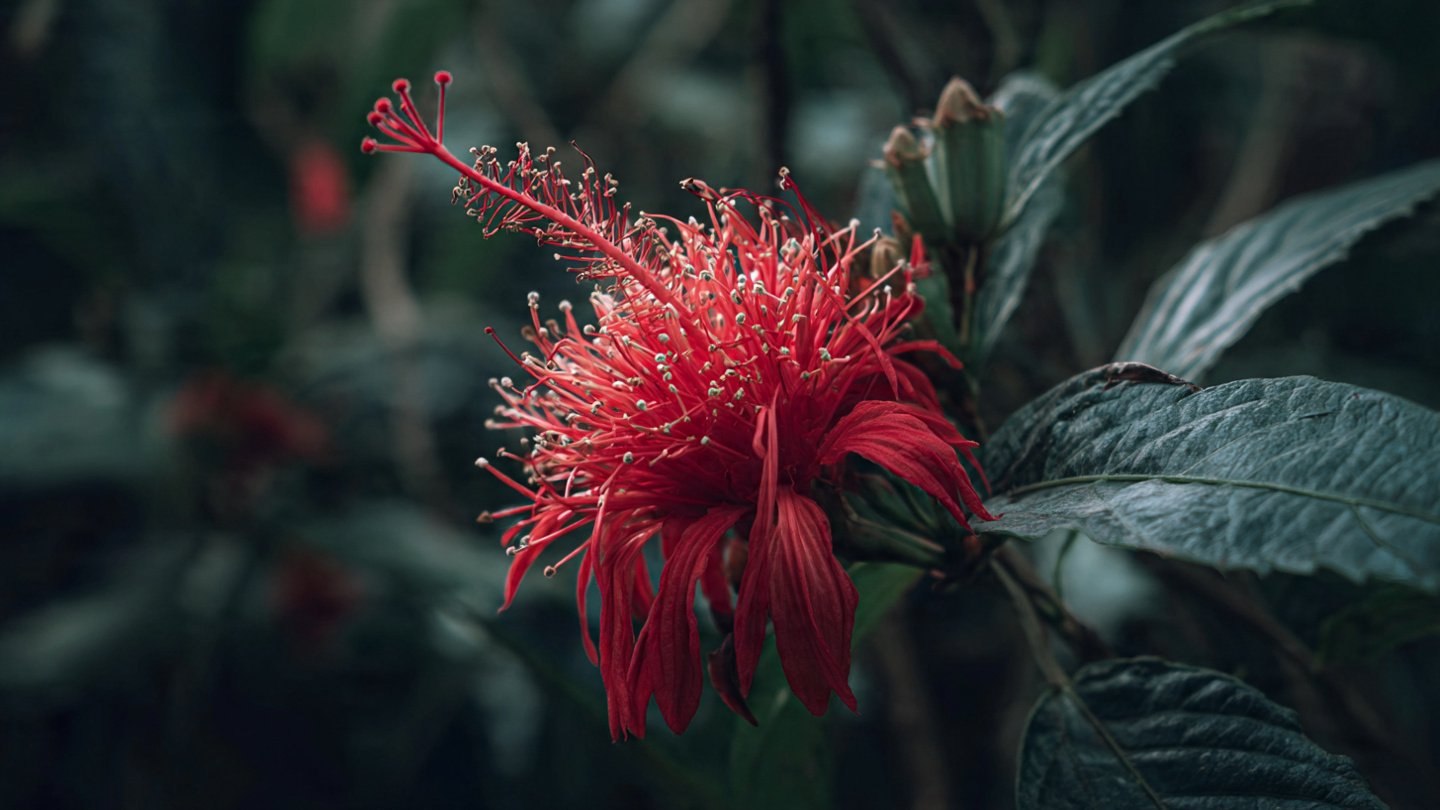
The journey of a flower to space is not just a novel idea; it represents a significant intersection of nature, science, and exploration. Over the years, scientists and researchers have become increasingly interested in understanding how various life forms react to the conditions of space. Flowers, with their unique biological functions and ecological importance, have the potential to teach us much about life beyond Earth.
The Beginning: Research and Motivation
In the early years of space exploration, the focus primarily rested on human factors and the performance of machinery in space. However, as missions progressed, scientists recognized the need to also study biological entities. The motivations for sending flowers to space are multifaceted:
- Understanding Growth in Microgravity: Flowers represent a unique opportunity to study how plants grow without the influence of gravity.
- Ecological Insights: Exploring plant life in altered environments offers insights into ecological adaptations that may be crucial for future space colonization.
- Psychological Benefits: The inclusion of plant life in space missions is believed to positively impact the mental well-being of astronauts.
Notable Missions and Experiments
Several missions have involved the cultivation of flowers in space, with notable examples including:

1. The Space Shuttle Program
One of the pioneering missions to involve flowers was during NASA’s Space Shuttle program. In 1996, astronaut Shannon Lucid conducted a series of experiments with the Arabidopsis thaliana, a small flowering plant related to mustard. This plant was chosen for its rapid life cycle, making it an ideal candidate for space experiments. The aim was to observe how the plant responded to microgravity during its flowering phase.
2. Veggie Experiment on the ISS
NASA’s Veggie experiment on the International Space Station (ISS) focused on growing fresh produce, including flowers like the zinnias. In 2014, astronauts successfully grew zinnias aboard the ISS. Observing the flowering and pollination processes in microgravity provided valuable data on plant growth, which could inform future exploration missions.
The Science Behind Space Flowers
The intriguing aspect of studying flowers in space lies in understanding their biological responses to an alien environment. Key factors influenced by microgravity include:
- Growth Direction: In normal Earth conditions, plants use gravity to orient themselves. The absence of gravity can lead to unpredictable growth patterns, which pose challenges for future space farming.
- Photosynthesis: The effectiveness of photosynthesis can be impacted by altered light exposure in space. Understanding how flowers adapt to these conditions can provide insights for sustaining plant growth during long space missions.
- Reproductive Processes: The mechanisms of pollen dispersal and fertilization are critical in flowers. The behaviors of these processes in microgravity can reveal how life sustains itself in extreme conditions.

Benefits of Growing Flowers in Space
Growing flowers in space is more than a scientific experiment; it has numerous benefits for astronauts and future space exploration missions:
- Food Source: Flowers and other plants can serve as a critical food source for astronauts on long missions.
- Oxygen Production: Plants create oxygen through photosynthesis, which is essential for maintaining life in closed environments.
- Psychological Aids: The presence of flowers can enhance the aesthetic environment, contributing to the mental well-being of astronauts.
The Challenges of Cultivating Space Flowers
Despite the potential benefits, growing flowers in space presents numerous challenges:
- Limited Resources: Plants require water, nutrients, and light. Managing these resources effectively in space is a significant hurdle.
- Microgravity Effects: As mentioned, the lack of gravity complicates growth, posing risks to successful flowering and reproduction.
- Pollination: Natural pollinators are absent in space, which can lead to challenges in reproduction. Understanding alternative methods is crucial for successful cultivation.
Future Prospects and Research
The ongoing research into how flowers make their way to space paves the path for future advancements. Potential areas of investigation include:
- Genetic Studies: Understanding the genetic adaptations that flowers undergo can enhance our ability to engineer plants that thrive in space.
- Habitat Development: Research will contribute to creating sustainable habitats for growing plants, paving the way for future human settlements on other planets.
- Exploration of Alien Flora: Understanding how terrestrial plants can adapt informs the search for potential alien plant life beyond Earth.
Conclusion
The journey of a flower to space illustrates the profound intersection of biology and space exploration. Scientific endeavors, such as growing flowers in microgravity, unlock crucial knowledge about life’s adaptability and resilience. As humanity looks toward future explorations of Mars and beyond, the lessons gleaned from these experiments will be invaluable in ensuring that life can not only reach but thrive in the vast expanse of space. Cultivating flowers in space is a step toward unraveling the mysteries of biology in extreme environments, leading to exciting opportunities for future research and exploration.
FAQs
1. Why are flowers important for space missions?
Flowers play a crucial role in understanding plant growth in microgravity, serving both as potential food sources and as valuable contributors to psychological well-being for astronauts.
2. What are some challenges faced in growing flowers in space?
The primary challenges include limited resources, unpredictable growth patterns due to microgravity, and the absence of natural pollinators.
3. How do flowers adapt to the conditions of space?

Flowers have shown remarkable adaptability by altering their growth patterns and optimizing photosynthesis in response to the unique environmental conditions present in space.
4. What is the potential for future research on flowers in space?
Future research might focus on genetic modifications of flowers to improve their resilience in space or explore the feasibility of growing plants for sustained human habitation on other planets.
5. Have flowers ever been successfully grown in space?
Yes, flowers such as zinnias and Arabidopsis thaliana have been successfully grown on the International Space Station, generating vital data on plant biology in microgravity.