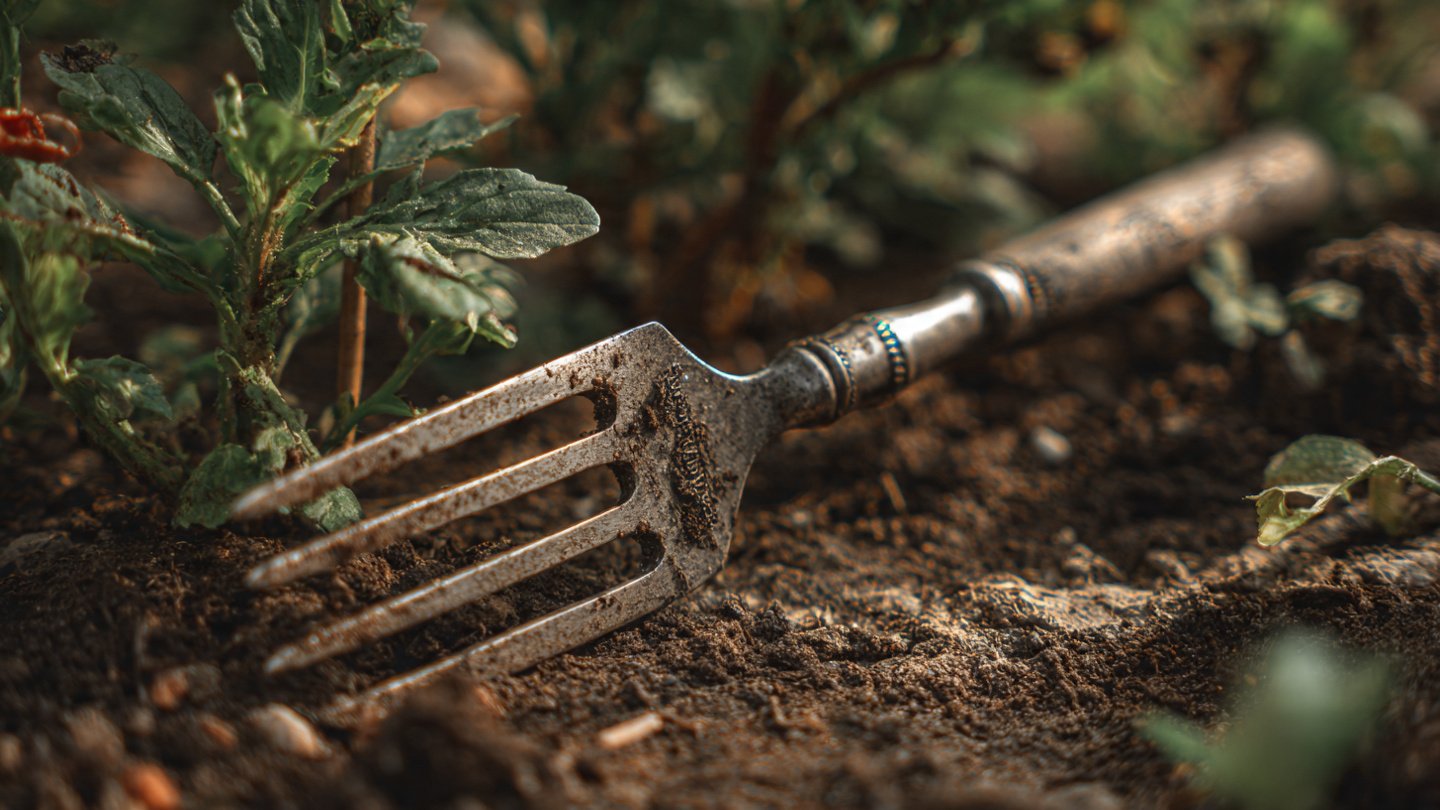
When most people think about a garden fork, they typically picture a tool designed primarily for digging into the earth. While it indeed excels at that task, the benefits of a garden fork extend far beyond mere soil disruption. In this article, we’ll explore the versatile functions of garden forks, demonstrating their myriad uses that can simplify gardening tasks, enhance your gardening experience, and ultimately lead to healthier plants.
What is a Garden Fork?
A garden fork, often referred to as a digging fork, consists of a sturdy handle with several (typically three to five) sharp tines that extend outward. This design is specifically tailored for breaking up soil and aerating it, which is crucial for maintaining healthy plant growth. However, its robustness and shape allow for a wide range of applications.
Versatile Uses of a Garden Fork
1. Aerating Soil
One of the primary functions of a garden fork is aerating soil. By inserting the fork into the ground and lifting slightly, you create openings that allow air, water, and nutrients to circulate more freely. This is particularly beneficial for compacted soil, which can suffocate plant roots and hinder growth. Regular aeration promotes healthier plants and improved root development.

2. Weeding
Removing weeds can be a tedious task, but a garden fork can streamline this process. By using the tines, you can easily pry stubborn weeds out of the ground, including those with deep tap roots. This method is much more effective than pulling them by hand, ensuring you get the entire root system, thus reducing the chance of regrowth.
3. Composting
A garden fork can be invaluable in managing your compost pile. Turn over compost regularly to ensure proper aeration and speed up decomposition. Use the fork to break up larger clumps and mix in new organic materials, ensuring that your compost remains healthy and productive.
4. Planting
When it comes to planting bulbs or young plants, a garden fork can make the task easier. Instead of using a spade, you can use a garden fork to create furrows or holes in the soil, making planting quicker and less labor-intensive.
5. Mixing Soil and Amendments
If you’re enriching your garden soil with compost, fertilizers, or other amendments, a garden fork is perfect for mixing these materials into the soil. Its tines break up clumps and combine ingredients thoroughly, leading to improved soil quality and nutrient availability.
6. Mulching

After applying mulch around your plants, use a garden fork to mix it into the top layer of the soil. This practice not only helps protect plants from extreme temperatures but also improves moisture retention and reduces weed growth.
7. Moving Material
Garden forks are excellent for moving soil, compost, or mulch from one location to another. The tines allow you to scoop and transport materials effectively, making the job easier and quicker.
Choosing the Right Garden Fork
When considering the selection of a garden fork, remember that they come in various types. Here are some factors to help you choose the best one for your needs:
- Tine Length: Longer tines are ideal for deeper soil, while shorter tines are more suitable for raised beds.
- Handle Material: Handles made of wood provide a good grip and are comfortable, whereas metal handles offer durability.
- Tine Material: Look for stainless steel or carbon steel tines for strength and resistance to rust.
- Weight: Choose a weight that you can comfortably handle, especially if you plan to use the fork for longer periods.

Technique Tips for Using a Garden Fork
To maximize the effectiveness of your garden fork, consider the following techniques:
- Use a rocking motion to loosen soil without excessive effort.
- Apply steady pressure when aerating to penetrate compacted areas.
- Make use of the tines’ sharp edges to cut through thick roots when weeding.
- Mix soil and amendments thoroughly; more movement yields better results.
Conclusion
A garden fork is a multi-functional tool that every gardener should consider adding to their arsenal. Beyond its primary function of digging, it can aerate soil, assist in weed removal, manage compost, aid in planting, mix soil amendments, mulch effectively, and move materials with ease. By understanding and utilizing a garden fork’s capabilities, gardeners can enhance their gardening experience, ultimately leading to healthier plants and more fruitful yields.

FAQs
1. Can a garden fork be used for heavy-duty digging?
Yes, while garden forks are primarily designed for aerating and loosening soil, they can also assist in heavy-duty digging, especially in loose or well-worked soil.
2. How do I maintain my garden fork?
To maintain your garden fork, clean it after each use to remove soil and debris. Store it in a dry place to prevent rust, and occasionally oil the metal parts for longevity.
3. Are there different types of garden forks?
Yes, there are various types of garden forks, including digging forks, border forks, and cultivator forks, each designed for specific gardening tasks.
4. What’s the best way to use a garden fork for weeding?

Insert the tines into the soil around the base of the weed and lift gently to uproot the weed, making sure to retrieve the entire root system to prevent regrowth.
5. Where can I purchase a quality garden fork?
Garden forks are available at most garden centers, home improvement stores, and online retailers. Look for reputable brands known for quality tools.