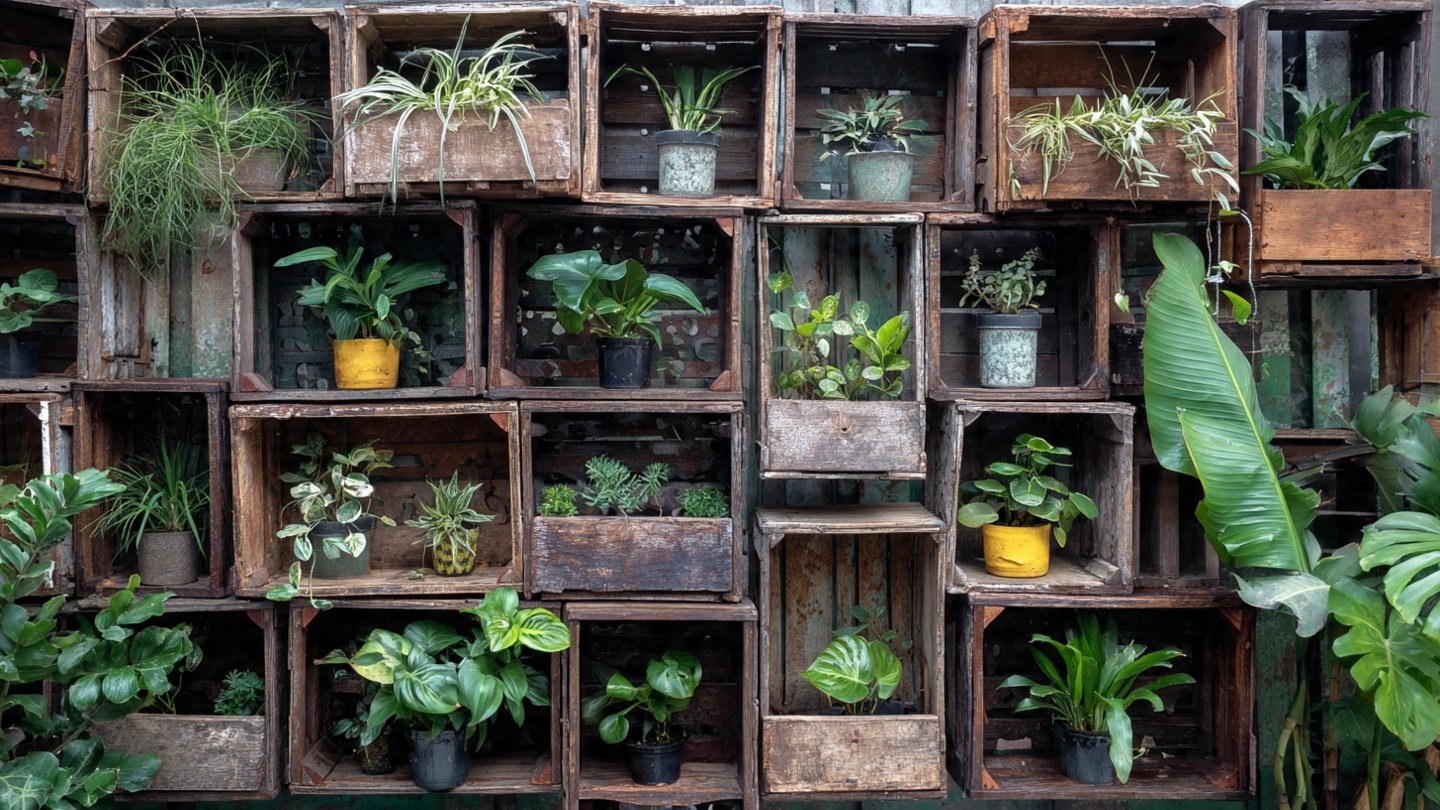
Gardening enthusiasts and DIY lovers alike are always on the lookout for innovative ways to incorporate greenery into their living spaces. One creative solution is transforming old wooden crates into a modular plant wall. This project not only adds aesthetic appeal to your home but also promotes sustainability by repurposing items that might otherwise end up in a landfill.
Why Choose Wooden Crates?
Wooden crates are popular among DIYers for several reasons:
- Versatility: They can be used for various purposes beyond storage, including planters, shelves, and even rustic furniture.
- Affordability: Old crates can often be found at second-hand stores, farmers’ markets, or online, making them an economical choice for home projects.
- Natural Aesthetic: Wood adds warmth and character to your space. A plant wall made from wooden crates serves as an attractive focal point.
- Easy to Work With: Crates can be easily modified to fit your design vision, making them suitable for DIY projects of all skill levels.
Gathering Your Materials
Before you start creating your modular plant wall, gather the necessary materials. Here’s what you’ll need:
- Old wooden crates (the number depends on your desired size)
- Sandpaper or a power sander
- Wood stain or paint (optional)
- Drill with bits (for drainage holes if needed)
- Potting soil
- Plants (succulents, herbs, or trailing plants work well)
- Wall mounting hardware (screws, brackets, etc.)
- Measuring tape
- Level

Preparing the Crates
Once you’ve gathered your materials, it’s time to prepare the crates:
1. Cleaning
If the crates have dirt or remnants of previous uses, clean them thoroughly. A damp cloth or sponge should be enough.
2. Sanding
Using sandpaper or a power sander, smooth out any rough spots, splinters, or edges to prevent injury and ensure a finished look.
3. Painting or Staining (Optional)
If you want to alter the appearance of the crates, consider applying wood stain or paint. This step is optional but can significantly enhance the visual appeal of your plant wall. Choose colors that complement your home decor or go for a rustic, weathered look.
4. Drilling Drainage Holes
To prevent overwatering, drill drainage holes in the bottoms of the crates if they are not already present. This will ensure that any excess water can escape, preventing root rot and promoting healthy plant growth.

Designing Your Modular Plant Wall
Now that your crates are ready, it’s time to plan how you want them arranged on your wall. Here are a few design ideas:
1. Vertical Alignment
Stack the crates vertically to create a towering plant wall. This design is ideal for small spaces and allows for maximum exposure to sunlight.
2. Horizontal Alignment
Arrange the crates side by side horizontally to create a more expansive wall effect. This is particularly effective for wider walls.
3. Alternating Designs
Create an eclectic look by mixing horizontal and vertical arrangements. This adds visual interest and offers different heights for plants.
4. Modular Design
Consider using brackets to allow the crates to be easily rearranged. This setup gives you the flexibility to switch up the plants and configurations as desired.
Mounting the Crates
Once you have a design in mind, it’s time to mount the crates on your wall:

1. Mark Your Wall
Using the measuring tape, mark the spots on your wall where you plan to mount the crates. Make sure to use a level to ensure that everything is even.
2. Attach Wall Mounting Hardware
Securely attach mounting hardware to your wall at the marked locations. For heavier crates, it’s essential to use wall anchors or studs to ensure stability.
3. Secure the Crates
Once the hardware is in place, carefully place the crates on the mounts. Use screws or brackets to secure them, ensuring they are safe and stable.
Planting Your Greenery
Now comes the fun part—planting your favorite greenery in the crates!
1. Select Your Plants
Choose plants based on your space’s light conditions and your ability to care for them. Popular choices include:
- Succulents and cacti for low-light areas
- Herbs like basil, mint, or rosemary for culinary use
- Trailing plants like ivy or ferns for a lush, cascading effect

2. Fill with Potting Soil
Fill the crates with potting soil, being careful not to overfill. Leave enough space at the top for the plants.
3. Planting
Carefully plant each of your chosen greenery into the soil and water lightly. Make sure to give each plant enough space to grow without crowding.
Maintaining Your Plant Wall
To ensure your modular plant wall thrives, regular maintenance is key:
1. Watering
Check the soil moisture regularly and water when needed. Ensure proper drainage to prevent overwatering.
2. Pruning
Keep your plants healthy by pruning dead or overgrown branches as necessary.
3. Fertilizing
Feed your plants a balanced fertilizer according to their specific needs to promote growth.
Conclusion

Transforming old wooden crates into a creative modular plant wall is an engaging DIY project that not only beautifies your space but also supports eco-friendly practices. With a bit of preparation and careful planning, you can create a stunning green display that reflects your style and serves as a flourishing home for your favorite plants. Whether you opt for a vertical or horizontal design, the possibilities are endless. Embrace your creativity and bring nature indoors with your own modular plant wall.
FAQs
1. Can I use any type of wooden crate?
While any wooden crate can be used, it’s best to choose crates that have not been treated with chemicals, especially if you plan to grow edible plants.
2. How much sunlight do the plants need?
The amount of sunlight required can vary based on the type of plants chosen. Make sure to do a bit of research on your chosen plants’ light requirements.
3. How often should I water my plants?
Watering frequency depends on the type of plants and environmental conditions. Generally, it’s important to check the soil moisture regularly and water when the top inch feels dry.
4. Can I place the plant wall indoors?
Absolutely! A plant wall can be a beautiful feature both indoors and outdoors, as long as you select plants that thrive in low lighting for indoor placements.
5. Is this project suitable for beginners?
Yes! This project can be adjusted to fit various skill levels, and it’s a great way to practice your DIY skills while getting creative with plants.