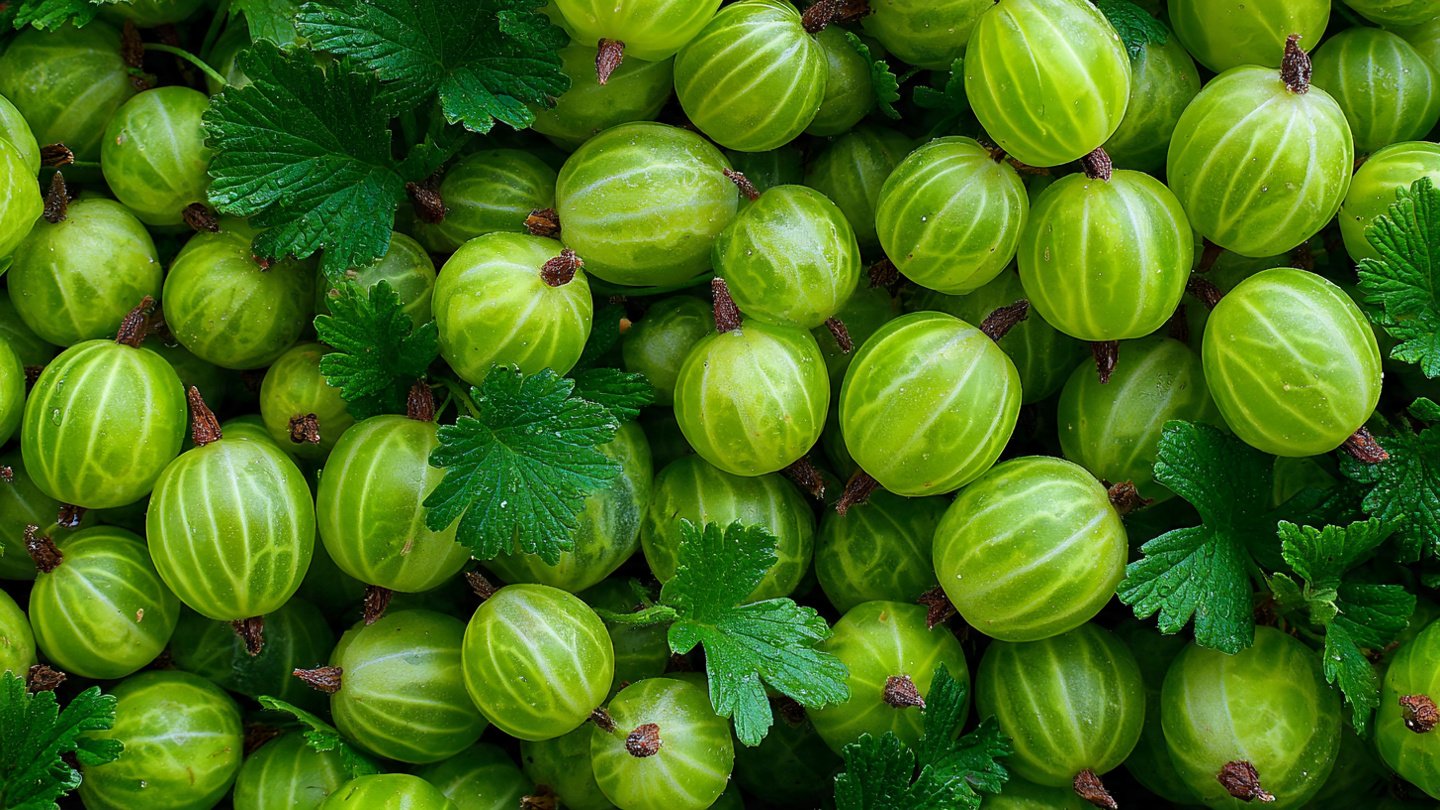
Growing a massive crop of green gooseberries can be a rewarding endeavor, both for novice gardeners and seasoned horticulturists. These tangy little fruits not only add a burst of flavor to desserts and jams but are also rich in vitamins and antioxidants. If you’re looking to optimize your yield, one simple trick could help you achieve abundant harvests: focusing on proper pruning techniques.
Pruning is often perceived as a laborious and intricate task, but it can significantly enhance the health and productivity of your gooseberry plants. It’s essential to understand that pruning isn’t just about cutting branches; it’s about fostering an environment where the plants can thrive. By mastering the art of pruning, you can ensure that your gooseberries receive ample sunlight, nutrients, and air circulation, all of which are critical for their growth.
To begin, it’s crucial to select the right variety of green gooseberries. Many varieties exist, and each has its unique characteristics. Some are sweeter, while others are more tart. When choosing the right type, consider the climate and soil conditions of your garden, as well as your personal taste preferences. Popular varieties include ‘Invicta,’ known for its disease resistance, and ‘Hinnomaki Green,’ which offers a sweet flavor profile.
Once you have your plants selected, consider the best time for planting. Early spring or late fall are ideal for planting gooseberries. Ensure your plants are placed in well-draining soil with a pH between 6.0 and 6.5. Raised beds can be particularly effective for gooseberries, as they improve drainage and allow the roots to spread out comfortably.
After planting, the real magic begins when you start thinking about pruning. The first few years of a gooseberry’s life are vital for establishing a strong framework. During the first winter after planting, cut the newly planted stems back to around 6 inches above the ground. This sudden reduction encourages the development of multiple side shoots, resulting in a sturdy plant.
In the following years, pruning should be done during the dormant season, typically in late winter. Begin by removing any dead, diseased, or damaged wood. This not only helps improve air circulation but also allows the plant to direct its energy toward healthy growth. Aim to maintain an open center in your gooseberry bush, so sunlight can reach all parts of the plant.
Another essential aspect of pruning is thinning out the stems. As gooseberry plants mature, they can become overcrowded, leading to competition for resources. By selectively removing some of the older stems, you allow younger, more vigorous growth to flourish. This keeps the bush healthy and productive. Aim to have about four to six main stems, which will support the fruiting branches.
As your gooseberries begin to bear fruit, pay close attention to pest management. Gooseberries are prone to certain pests, including fruit fly and aphids. Regular inspection of your plants will enable you to catch infestations early. Organic pest control methods, such as introducing beneficial insects or using insecticidal soap, can help keep your plants healthy without harming the environment.
Watering is another critical factor influencing your gooseberry crop. Adequate moisture is vital, especially during the fruit-setting stage. Ground moisture levels should be consistently monitored, particularly in dry conditions. Drip irrigation is an excellent option, ensuring water reaches the roots without saturating the foliage, which can lead to fungal diseases.
To maximize your yield, consider implementing a balanced fertilization strategy. Gooseberries are moderate feeders but will benefit from a nutrient-rich environment. In early spring, applying a balanced organic fertilizer can provide the necessary nutrients for growth. However, avoid over-fertilization; excessive nitrogen can lead to lush foliage at the expense of fruit development.
Mulching is also a beneficial practice for gooseberry cultivation. Organic mulches, such as straw or wood chips, help retain soil moisture, suppress weeds, and regulate soil temperature. This creates an ideal environment for your gooseberry plants, allowing them to thrive and produce plentiful crops.
For those looking to take their gooseberry production to the next level, companion planting can be an excellent strategy. By interspersing your gooseberries with compatible plants, you can improve their growth and deter pests. For example, planting garlic or chives nearby can help repel aphids, while marigolds can deter several common garden pests.
After following these steps, you will find that your gooseberry bushes are starting to bear fruit. However, it’s important to know when to harvest. Green gooseberries are usually ready to pick when they are firm and still a vibrant green color. The general rule of thumb is to check your plants regularly, as the timing can vary based on the variety and local climate conditions.
What happens if you wait too long before harvesting? If the berries begin to turn yellow or soft, they may not have the same tartness you’re aiming for, and their quality can diminish. The best method to ensure peak ripeness is to sample a few berries as you approach the estimated harvest time.
Finally, after harvesting, there are many ways to enjoy your green gooseberries. Whether you decide to bake them into pies, cook them into jams, or eat them fresh off the bush, their versatility is one of the many reasons to cultivate this delightful fruit. Storing any excess produces well; you can freeze them for future use or prepare long-lasting preserves.
In conclusion, the simple trick of understanding and implementing proper pruning techniques can make a world of difference in your quest for a massive crop of green gooseberries. However, remember that nurturing these plants goes beyond just pruning. From selecting the right variety and ensuring appropriate planting conditions to regular maintenance and effective pest management, growing a prosperous gooseberry crop requires attention to detail and a commitment to best practices.
For those willing to invest time and effort, the reward is not only a bountiful harvest of delicious fruit but also the satisfaction of having cultivated a thriving garden. By embracing this approach, you’ll not only enhance your gardening skills but also create a nurturing environment for your green gooseberries to flourish. Happy gardening!

