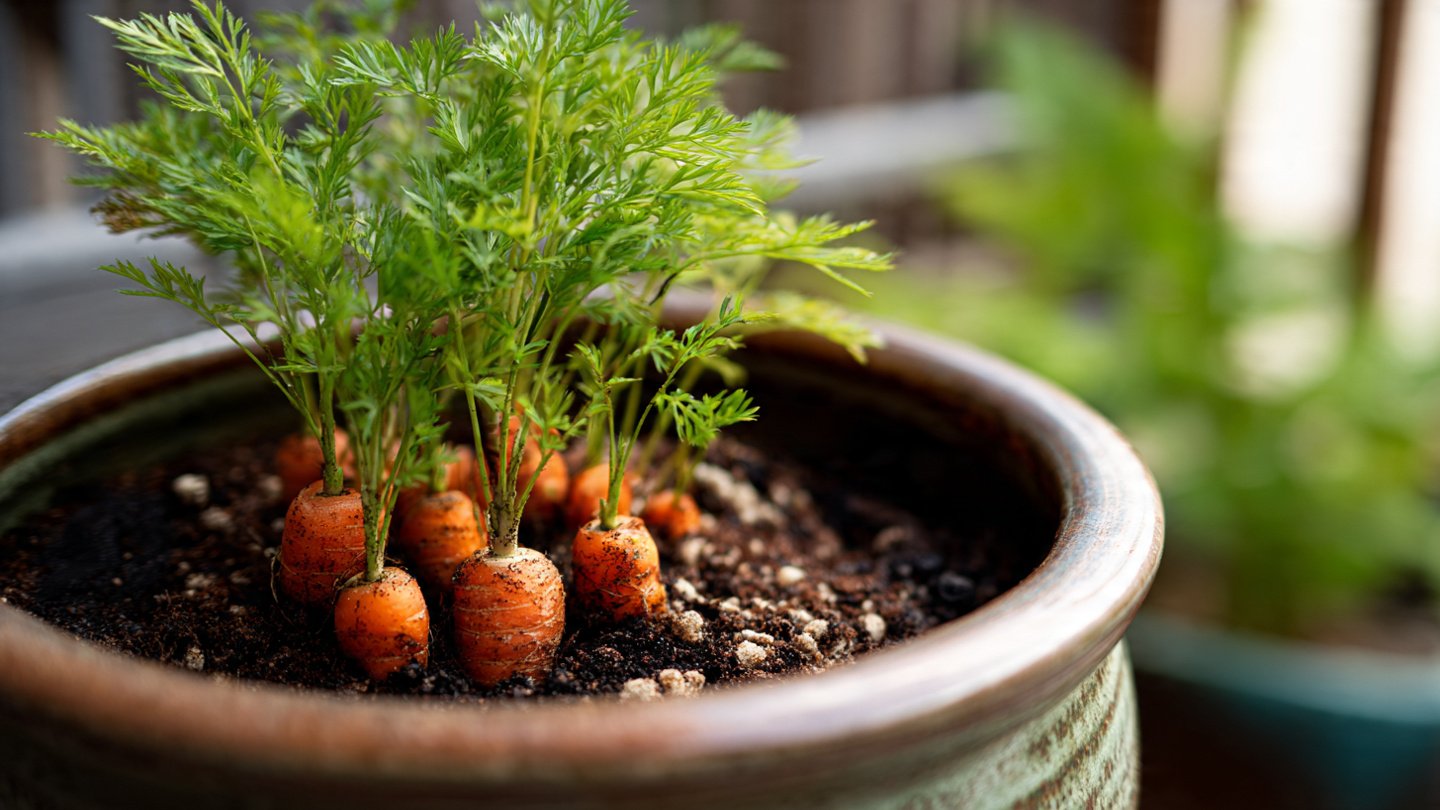
Can You Really Grow Baby Carrots in a Deep Ceramic Pot?
Growing your own vegetables at home has become increasingly popular, especially in urban settings where gardening space is limited. Among the various vegetables that beginners and experienced gardeners alike can cultivate, baby carrots stand out as a favorite due to their sweetness and versatility. But can you really grow baby carrots in a deep ceramic pot? In this comprehensive article, we’ll explore everything you need to know about growing baby carrots in a ceramic planter—from preparation and the right conditions to care and harvesting.
Why Grow Baby Carrots?
Baby carrots are immature harvested carrots, typically around 2-3 inches in length. They are not only a delicious addition to salads, stir-fries, and snacks, but they’re also rich in beta-carotene, fiber, and antioxidants. Learning to cultivate them can be rewarding, especially if you’re keen on eating organic or pesticide-free food.
Choosing the Right Pot
-
Depth and Size: The ideal depth for growing carrots, even baby ones, is at least 12 inches. This allows them enough room to grow without being constricted. While ceramic pots often have excellent aesthetics, ensure that the one you choose is deep enough to accommodate their root structure. A pot that is 12 inches in diameter is typically sufficient for growing several baby carrots.
-
Drainage: Carrots require well-draining soil, and ceramic pots generally provide good drainage. However, check for holes at the bottom of the pot. If your ceramic pot lacks drainage holes, it may be beneficial to create them or to use a separate dish to catch excess water.
-
Material Considerations: Ceramic pots are durable and stylish. They can retain heat and moisture, which can be beneficial in cooler climates. However, they can also crack in extreme temperatures, so they may require some additional care.

Preparing the Soil
-
Soil Type: The quality of the soil can significantly affect your carrot-growing success. Use a loose, well-draining potting mix that can retain moisture while allowing excess water to escape. A commercial potting mix designed for vegetables often works well.
-
Soil Amendments: Incorporating compost or well-rotted manure can provide essential nutrients. Carrots thrive in slightly acidic to neutral pH levels (6.0-7.0). Check the pH of your soil mix—if necessary, adjust with lime (to raise pH) or sulfur (to lower pH) accordingly.
-
Filling the Pot: Fill your ceramic pot to about an inch below the rim with your prepared soil mix. Level the surface to ensure even distribution of water and nutrients.
Planting the Seeds
-
Selecting Seeds: Choose a variety specifically labeled for baby carrots, such as ‘Napoli’ or ‘Little Finger.’ These varieties have been bred to produce smaller roots while still being flavorful.
-
Sowing Depth: Plant your seeds about ¼ to ½ inch deep. Because carrot seeds are tiny, it’s important not to bury them too deeply, as this can hinder germination.
-
Spacing: For baby carrots, you can plant seeds closer together than you would for full-sized carrots. A spacing of about 1-2 inches apart is appropriate, as they’ll be harvested young.
-
Watering After Planting: Water the soil gently after planting to ensure seed contact and encourage germination. Avoid overwatering, as this can lead to seeds drowning or fungal diseases.

Providing Optimal Growing Conditions
-
Light Requirements: Carrots thrive in full sunlight; aim for at least 6-8 hours of sunlight daily. If you’re growing indoors, consider placing your pot near south-facing windows or using grow lights.
-
Temperature: Baby carrots prefer cooler temperatures. Ideal growing conditions range from 60°F to 70°F. While they can tolerate some fluctuations, extreme heat can cause them to bolt, leading to a poor yield.
-
Humidity: Ensure adequate moisture, especially during germination. A humidity dome or plastic wrap over the seedling stage can help retain moisture, but remove it once the seedlings emerge to prevent mold.

Caring for Your Baby Carrots
-
Watering: Keep the soil consistently moist but not waterlogged. Water should penetrate the soil without pooling at the top. Check the top inch of soil; if it feels dry, it’s time to water again.
-
Thinning: Once the seedlings reach about 1-2 inches tall, thin them out to about 2-3 inches apart. Thinning is crucial to prevent overcrowding, which can hinder growth. You can use the tiny young carrots as a tasty snack in salads.
-
Fertilizing: Use a balanced, water-soluble fertilizer every few weeks after the seedlings are established. Avoid high nitrogen fertilizers, as they can promote leafy growth at the expense of root development.
Pest Control and Troubleshooting
-
Common Pests: Carrots can be susceptible to pests such as aphids, root maggots, and carrot flies. Regularly check your plants, and use organic pest control methods when necessary—like introducing beneficial insects or using insecticidal soaps.
-
Disease Awareness: Fungal diseases like powdery mildew can occur in high humidity. Ensure good air circulation around your pots, avoid overcrowding, and maintain cleanliness. Water in the morning to allow moisture on the leaves to evaporate throughout the day.
-
Weed Management: Since you are growing in a pot, weeds will be less of an issue. However, remain vigilant; if you see any weeds, remove them promptly to prevent competition for nutrients.
Harvesting Your Baby Carrots
-
Timing: Baby carrots typically take 50-70 days to mature, depending on the variety and growing conditions. You can start harvesting them when they reach about 2-3 inches in length.
-
How to Harvest: Gently twist and pull the carrots to avoid damaging their delicate roots. If they resist, you can use a small garden fork to loosen the soil around them.
-
Post-Harvest: After harvesting, rinse the carrots under cool water to remove any soil. Baby carrots can be enjoyed raw, cooked, or preserved.

Conclusion
Growing baby carrots in a deep ceramic pot is indeed feasible and rewarding. With proper attention to pot selection, soil preparation, and care, you can enjoy a bountiful harvest even in limited spaces. Whether you live in an apartment with a balcony or have a small garden plot, it’s possible to cultivate these delicious vegetables.
Don’t forget the added benefit—there’s nothing quite like the taste of freshly harvested homegrown vegetables. So grab your ceramic pot, some seeds, and start your adventure in gardening today!