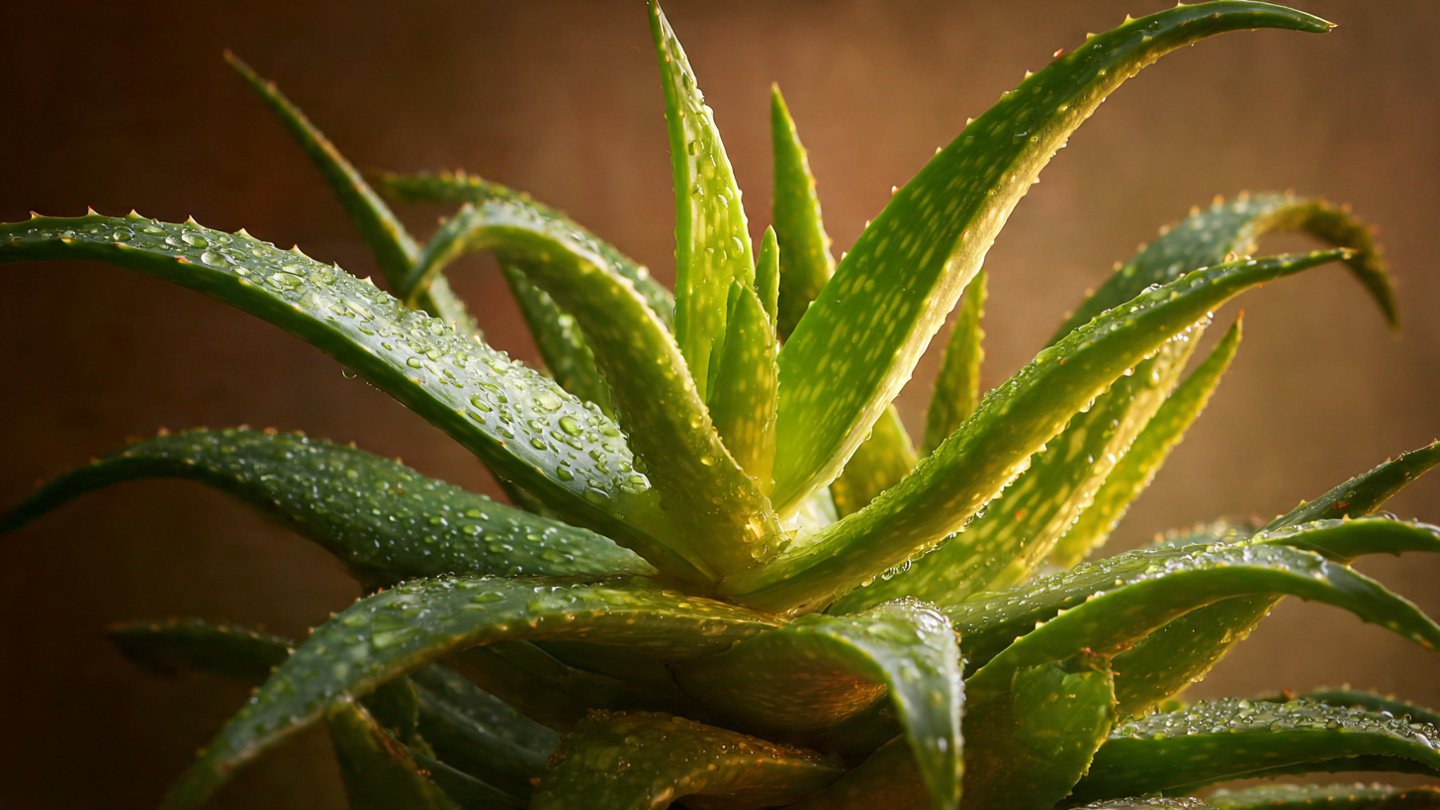
The aloe plant, renowned for its medicinal properties and easy care requirements, can sometimes show signs of distress. If your aloe vera is sporting thin and pale leaves, it’s essential to diagnose the problem to restore its health. This article explores the possible causes of this condition and offers practical solutions to rejuvenate your aloe plant.
Understanding the Aloe Plant
Aloe vera, a succulent plant species, stores water in its leaves, making it resilient to dry conditions. This unique adaptation allows it to thrive in arid environments. Typically, healthy aloe plants exhibit thick, vibrant green leaves. However, when the leaves start to lose their luster, it could signify underlying issues that need addressing.
Common Causes of Thin and Pale Leaves
1. Insufficient Light
Aloe plants thrive in bright, indirect sunlight. If they receive too little light, their leaves may become elongated as they reach for the light source, resulting in thin, pale foliage. A lack of adequate light can lead to weak growth and reduced natural color.
2. Overwatering
Overwatering is a prevalent issue among aloe plant owners. Aloe roots are susceptible to rot, and if they sit in soggy soil, the plant will respond by producing thin, weak leaves. You may notice that the leaves become mushy or translucent, a clear indicator of overwatering.

3. Nutrient Deficiency
Lack of essential nutrients, particularly nitrogen, can lead to pale and weak leaves. Aloe plants require a balanced diet to maintain their vibrant green color and healthy structure. If they aren’t getting the nutrients they need, their growth may stagnate, and the leaves may lose their vitality.
4. Pests and Diseases
Pests, such as aphids or mealybugs, can sap the life out of your aloe plant, leading to thin and discolored leaves. Additionally, diseases like root rot can develop due to overwatering and poor drainage. These problems can inhibit the plant’s ability to absorb water and nutrients effectively.
5. Temperature Stress
Aloe plants prefer temperatures between 60°F and 75°F (15°C to 24°C). Exposure to extreme cold or heat can affect their growth. If your aloe is exposed to drafts or temperatures below 50°F (10°C), it may exhibit thin and pale leaves as a signal of stress.
How to Revive Your Aloe Plant
1. Adjust Lighting Conditions

Start by placing your aloe plant in a location where it can receive bright, indirect sunlight. A south or west-facing window is typically ideal. Observe the plant for a few days; if you see improvement, you’ll know you’ve found the right spot.
2. Correct Watering Practices
To avoid overwatering, allow the soil to dry completely between watering. A general rule is to water your aloe plant deeply but infrequently; every two to three weeks is usually sufficient. Always use pots with drainage holes to prevent water accumulation.
3. Fertilize Appropriately
Choosing the right fertilizer can boost your aloe’s recovery. A diluted, balanced fertilizer applied during the growing season can reinvigorate your plant. Look for a fertilizer labeled specifically for cacti and succulents, and follow the manufacturer’s recommendations.
4. Inspect for Pests
Regularly check your aloe plant for signs of pests. If you find any, treat them promptly with insecticidal soap or neem oil. Systematically cleaning the leaves with a damp cloth can also help remove any potential pests and dust.
5. Monitor Temperature

Ensure your aloe plant is placed in a temperature-controlled environment, avoiding extremes. If temperature fluctuations are frequent, consider moving your plant to a more stable location where it won’t be exposed to drafts or direct heat sources.
Long-Term Care for Healthy Aloe Plants
Prevention is always better than cure. By following good care practices, you can keep your aloe plant thriving and prevent issues like thin and pale leaves from arising in the first place:
- Use Well-Draining Soil: A mixture designed for succulents or cacti is perfect to ensure proper drainage and aeration.
- Repot Regularly: Repot your aloe plant every couple of years to refresh the soil and check for root health.
- Watering Schedule: Follow the rule of thumb—we want the soil to dry out before watering again.
- Rotate Your Plant: Rotating your aloe plant, especially if it’s situated near a light source, ensures even growth and prevents it from becoming leggy.
Conclusion
An aloe plant with thin and pale leaves can be a warning sign of various underlying issues ranging from improper light exposure to overwatering and nutrient deficiencies. By understanding the specific needs of your aloe and adjusting your care regimen accordingly, you can restore your plant to its former glory. Remember that patience is key; aloe plants can take time to bounce back to health, but with the right attention, they will flourish and thrive.

FAQs
1. How can I tell if my aloe plant is overwatered?
The leaves will appear mushy or translucent, and the soil will feel soggy. If you notice these signs, reduce your watering frequency.
2. Can I use regular potting soil for my aloe plant?
Regular potting soil can retain too much moisture for aloe. It’s best to use a well-draining mix specifically designed for succulents or cacti.
3. What is the best light condition for aloe plants?
Aloe plants prefer bright, indirect sunlight. Direct sunlight for long periods can scorch their leaves, while too little light can cause them to become leggy.
4. How often should I fertilize my aloe plant?

During the growing season (spring and summer), fertilize every 4-6 weeks using a diluted, balanced fertilizer or one made for succulents.
5. Can I revive a completely wilted aloe plant?
In some cases, you can revive a wilted aloe by addressing care issues immediately—adjusting light, watering, and inspecting for pests can help, but severely damaged plants may not recover.