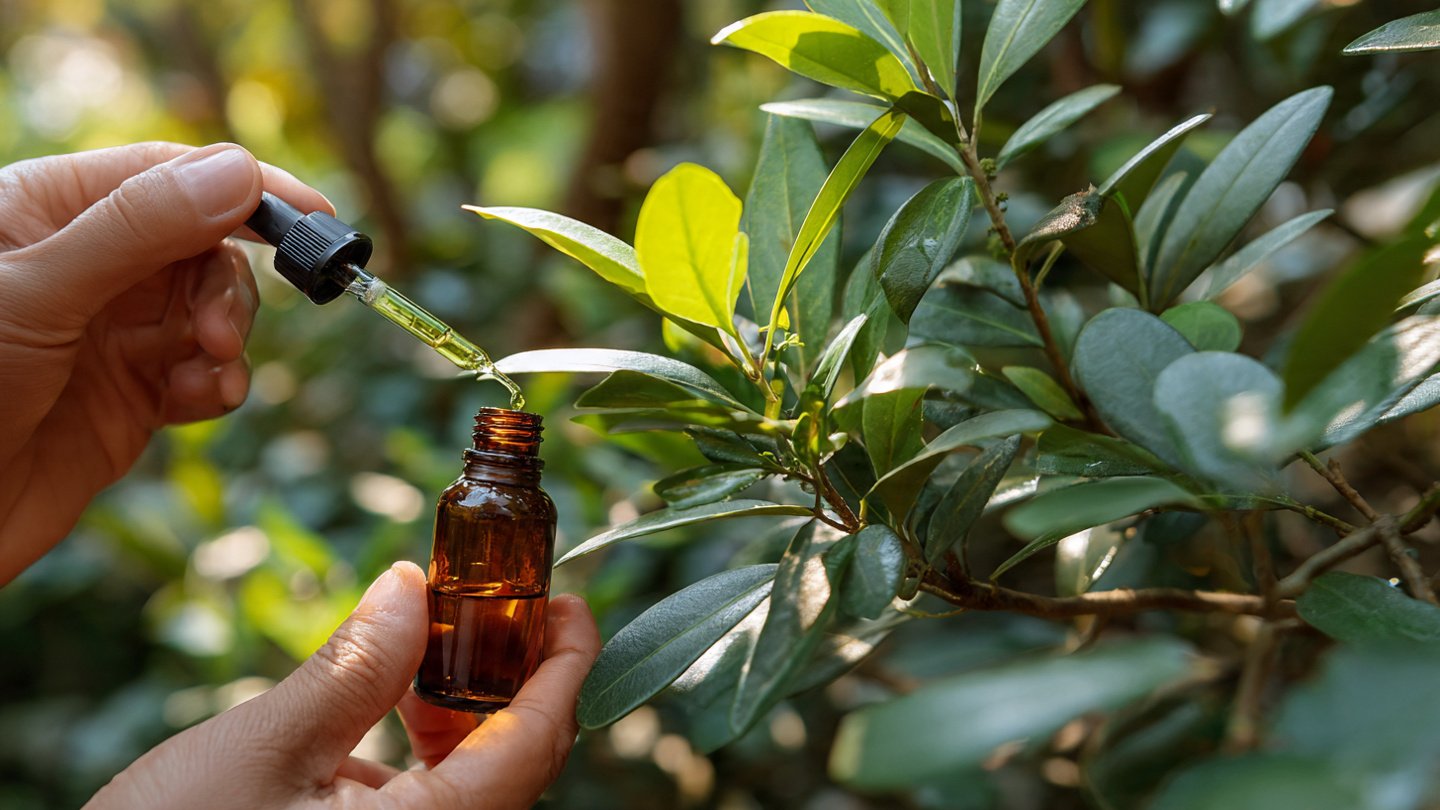
Gardening is a rewarding experience, but pests can quickly ruin the fruits of your labor. Fortunately, essential oils have emerged as an effective, natural solution for pest management. These plant-derived oils are not only beneficial for the environment but also provide a host of advantages when it comes to keeping your plants healthy and thriving. This article will explore how essential oils can help keep your leaves pest-free, the various essential oils available, and how to use them effectively.
The Importance of Keeping Leaves Pest-Free
Leaves are the powerhouses of plants, responsible for photosynthesis, nutrient absorption, and overall plant health. When pests invade, they can damage leaves in various ways:
- Feeding: Many pests, like aphids and caterpillars, feed on the leaves, causing stunted growth and poor plant health.
- Transmitting Diseases: Some pests carry diseases that can affect the entire plant, leading to wilting or death.
- Reducing Aesthetic Value: Pests can cause unsightly damage, affecting the visual appeal of your garden.
Thus, maintaining pest-free leaves is crucial for a healthy garden or indoor space.
How Essential Oils Work Against Pests
Essential oils are concentrated plant extracts that capture the plant’s fragrance, flavor, and beneficial properties. They work in several ways to deter pests:

- Repellence: Many essential oils have strong scents that repel pests, making your plants less appealing to them.
- Toxicity: Some essential oils are toxic to pests, affecting their nervous systems or causing dehydration.
- Disruption of Communication: Essential oils can interfere with the pheromones that pests use to communicate, disrupting their reproductive habits.
By understanding how these oils function, you can select the right ones for your plants’ needs.
Popular Essential Oils for Pest Control
Several essential oils are renowned for their pest-repellent properties. Here are some of the most effective ones:
1. Peppermint Oil
Peppermint oil is well-known for its strong scent, making it an excellent deterrent for ants, spiders, and aphids.
2. Lavender Oil
This delightful fragrance not only smells good to humans but is also effective against moths, fleas, and mosquitoes, making it ideal for both outdoor and indoor environments.

3. Tea Tree Oil
Renowned for its antifungal and antibacterial properties, tea tree oil also repels a variety of insects, including mites and cockroaches.
4. Eucalyptus Oil
This oil is particularly effective against mosquitoes and can also repel other flying insects, making it a good choice for outdoor gardens.
5. Neem Oil
Neem oil, derived from the seeds of the neem tree, disrupts the life cycle of pests, making it a powerful option for long-term pest management.
6. Rosemary Oil
With its strong scent, rosemary oil helps deter a variety of pests, including cabbage moths and beetles.
How to Use Essential Oils for Pest Control
Using essential oils effectively for pest control requires some preparation and knowledge. Here are several methods:

1. Diluting Essential Oils
Always dilute essential oils with a carrier oil or water before applying them to your plants. A common ratio is 10-15 drops of essential oil per one ounce of carrier oil or water.
2. Spraying
Utilize a spray bottle to evenly distribute the diluted oil mixture across affected plants. Focus on the undersides of leaves, where many pests like to hide.
3. Soil Treatment
Mix essential oils into your soil to deter pests that may inhabit the ground. This method is especially useful for root pests.
4. Companion Planting
Plant herbs and flowers that produce essential oils among your garden plants. This method not only deters pests but also attracts beneficial insects.
5. Using Cotton Balls or Pads
For indoor plants, soak cotton balls in diluted essential oil and place them near the plants. This method allows the scent to linger without directly spraying the plants.

Benefits of Using Essential Oils
There are numerous benefits to employing essential oils in your gardening practice:
- Natural Solution: Essential oils provide a non-toxic alternative to chemical pesticides.
- Environmentally Friendly: Using plant-based solutions minimizes harm to the ecosystem and beneficial insects.
- Versatile Applications: Essential oils can be used for a variety of purposes, including repelling pests, promoting plant health, and even improving soil quality.
- Aromatic Benefits: Essential oils add pleasant scents to your garden, enhancing your gardening experience.
Conclusion
Maintaining pest-free leaves is essential for healthy and thriving plants. Essential oils offer an effective, natural alternative to synthetic pesticides, providing multiple benefits beyond pest control. By selecting the right oils, using them effectively, and incorporating them into your gardening routine, you can protect your plants while being kind to the environment. With a little care and diligence, you can enjoy a lush, vibrant garden free from pests.
FAQs
1. Are essential oils safe for all plants?
While most essential oils are safe for a variety of plants, it’s advisable to test a small area first to ensure they do not cause any adverse reactions.

2. How often should I apply essential oils for pest control?
It is recommended to apply essential oils every 1-2 weeks, or more frequently during pest infestations.
3. What if I cannot find specific essential oils?
You can experiment with different essential oils that have similar properties, or consult a local gardening store for alternatives.
4. Can essential oils harm beneficial insects?
While essential oils are generally safer for beneficial insects, spraying directly on them can cause harm. Aim to use these oils selectively and avoid applying during peak activity times for beneficial species.
5. Can I use essential oils indoors for pest control?
Yes, essential oils can be used indoors, but be cautious with the concentrations and ensure good ventilation. Always keep pets in mind as some essential oils can be harmful to them.