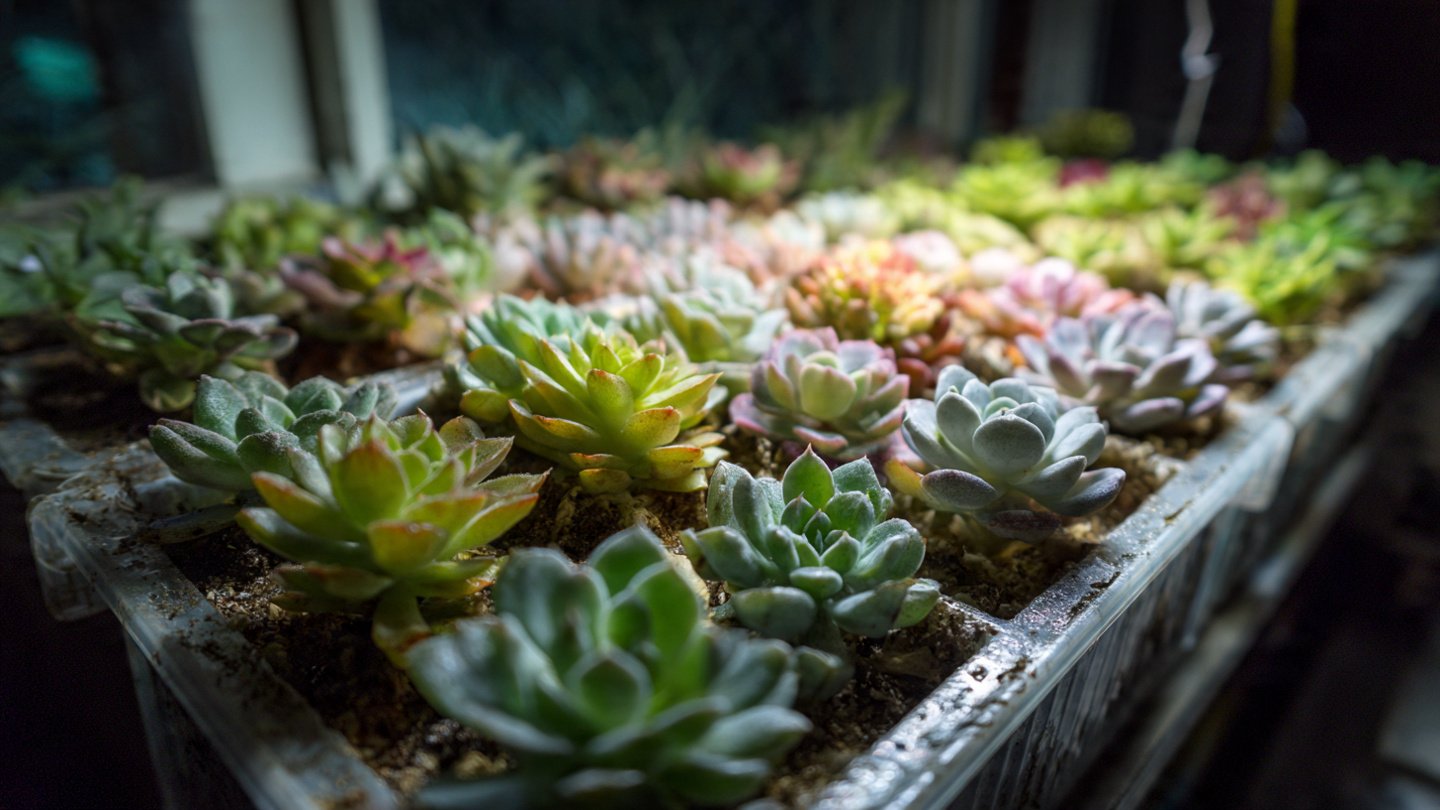
In the hustle and bustle of modern life, stress can feel like an unwelcome companion. One of the most soothing remedies for this chronic tension lies in the simple practice of plant propagation. Engaging with nature through horticulture not only promotes mental well-being but also allows for a fulfilling sense of accomplishment when plants flourish. This article delves into the therapeutic benefits of plant propagation and how successful plant growth can transform into the ultimate stress relief.
The Connection Between Nature and Mental Health
Research has long established a link between interaction with nature and improved mental health. The biophilia hypothesis, proposed by biologist Edward O. Wilson, suggests humans have an innate affinity for the natural world. This affinity manifests through various activities, including gardening and plant propagation.
When you engage in propagation, whether it’s taking cuttings or sowing seeds, you immerse yourself in the calming rhythms of nature. Studies indicate that spending time in green spaces can reduce cortisol levels, lower blood pressure, and alleviate symptoms of anxiety and depression. The act of nurturing plants provides a therapeutic break from daily stressors, offering both mental clarity and emotional tranquility.
Understanding Plant Propagation
Plant propagation refers to the process of growing new plants from a variety of sources: seeds, cuttings, and other plant parts. This fascinating activity allows individuals to experiment with plant care, making it a fulfilling hobby layered with rich emotions and rewards.

Methods of propagation vary widely and can include:
- Seed propagation: Growing plants from seeds, which allows for creativity and anticipation as you wait for the fruits of your labor to emerge.
- Cuttings: Taking sections of stems or leaves from existing plants to grow new specimens, creating a personal connection to the parent plant.
- Layering: Encouraging roots to develop from existing branches while still attached to the parent plant, creating a seamless flow of life.
- Division: Separating a plant into smaller parts, allowing it to thrive in new locations and giving multiple specimens from a single source.
The Joy of Accomplishment
Successfully propagating a plant can provide a profound sense of achievement. Watching your efforts materialize—seeing roots develop, new leaves sprout, or even the flowers bloom—reinforces the positive feedback loop between effort and reward.
Each successful propagation serves as a personal milestone. These milestones can enhance self-discipline and promote a sense of purpose. In moments where life may feel uncertain or overwhelming, the green thumb experience provides a sense of control and achievement.

Mindfulness Through Gardening
The practice of mindfulness, or being present in the moment, has gained attention for its mental health benefits. Engaging with plants and soil demands focus and attention, drawing you away from everyday worries and bringing you into a more serene mental space.
Plant propagation requires you to slow down—whether monitoring moisture levels in the soil, patiently awaiting sprouting seeds, or meticulously taking cuttings. This engagement encourages you to embrace mindfulness, which can lead to increased happiness and reduced stress.
A Therapeutic Escape
For many, plant propagation is a form of escape from the chaos of daily life. Digging into the soil, caring for plants, and witnessing their growth can transport you to a distant, tranquil space where life’s stresses fade away.
By creating a small sanctuary filled with greenery, you invite peace and relaxation into your environment. The gentle act of tending to plants forms a routine that is not only calming but also meditative. Being surrounded by plants has been shown to enhance mood and promote feelings of peace and serenity.

Social Aspects of Plant Propagation
Plant propagation doesn’t have to be a solitary activity. It often encourages social interaction and building a community with fellow plant lovers. Engaging in community gardening or exchanging propagated plants with friends fosters connection and camaraderie.
Sharing propagation successes with others can light up conversations and inspire collaborative projects, adding layers of joy to the experience. The social network formed around propagation can provide emotional support, enriching the stress-relieving aspects of this practice.
Creating a Habit of Growth
Incorporating plant propagation into your routine fosters a habit of growth, both literally and metaphorically. As plants flourish under your care, you may find yourself reflecting on personal growth and resilience in your own life. This alignment between nurturing plants and nurturing oneself can empower self-improvement.
Moreover, witnessing the life cycle of plants can teach valuable life lessons about patience, perseverance, and the importance of nurturing. These lessons can be applied to various aspects of life, creating a more balanced and focused approach to challenges.
Conclusion

In a fast-paced world filled with stressors, plant propagation provides an accessible route to wellness. This gentle practice merges nature and nurture, offering relaxation, mindfulness, and a sense of accomplishment. By embracing the art of propagation, individuals can foster emotional resilience, cultivate joy, and create a healthy refuge from the grind of everyday life. Whether you’re a seasoned gardener or just starting, the success of each propagated plant can serve as a triumphant reminder of the healing power of nature.
FAQs
1. How long does it take for plants to propagate successfully?
The time it takes for plants to propagate can vary depending on the species and method used. Some plants may take a few weeks, while others can take several months to root and grow.
2. What are the easiest plants to propagate for beginners?
Some beginner-friendly plants include pothos, spider plants, succulents, and philodendrons. These plants are resilient and often root easily.
3. Can propagation be done indoors?

Yes, many methods of plant propagation can be successfully carried out indoors. Ensure the appropriate lighting and humidity levels are maintained for optimal growth.
4. How often should I water my propagated plants?
Watering frequency depends on the plant type and its growing environment. It’s essential to allow the topsoil to dry out slightly before watering again to prevent root rot.
5. Does plant propagation require special tools?
Basic propagation can be done using simple tools like scissors, pots, and soil. If you’re using advanced methods, you might need additional equipment like propagation stations or heating mats.