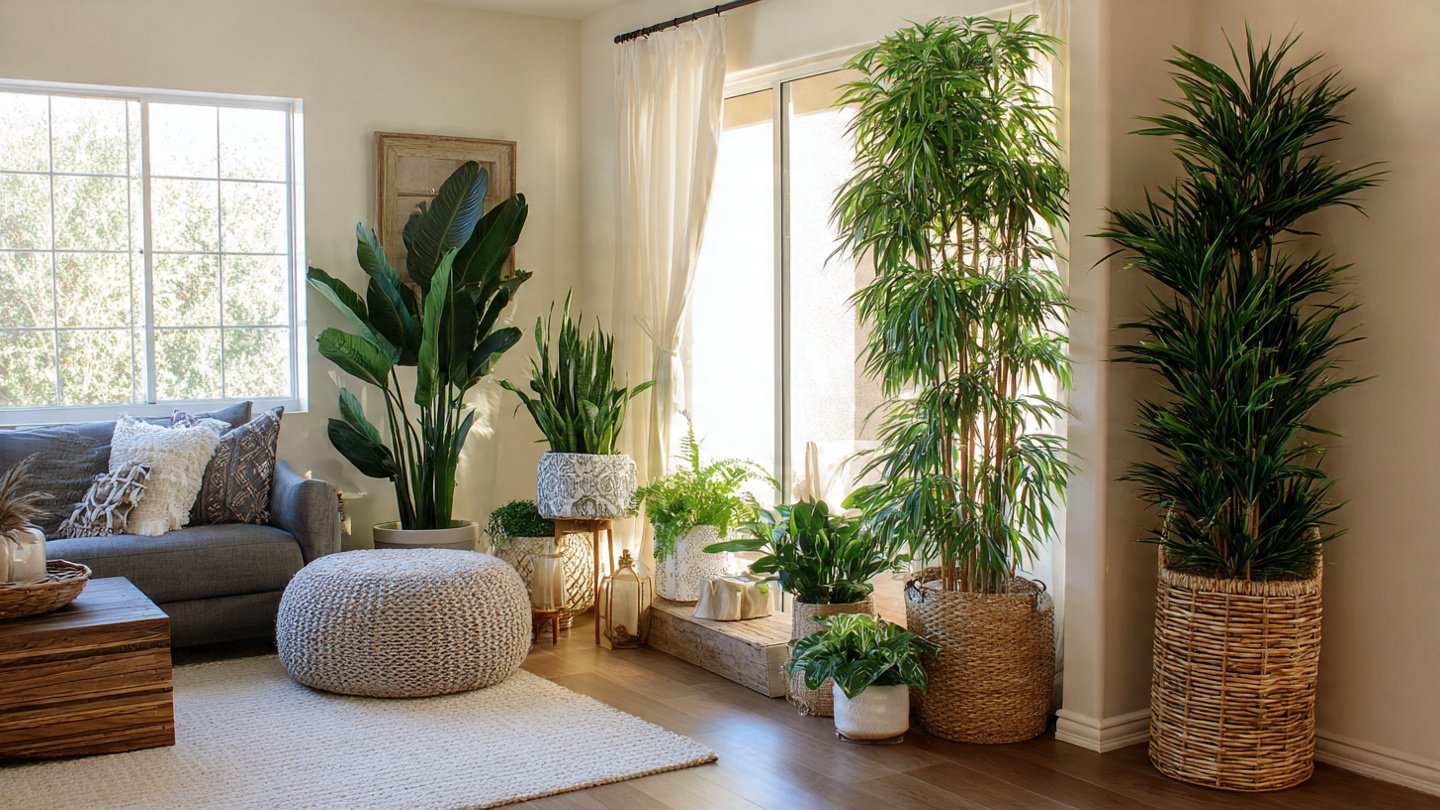
In the realm of interior design, the importance of utilizing space effectively cannot be overstated. Awkward corners can often pose a challenge for designers and homeowners alike. However, a growing trend has emerged that seeks to address this issue: the inclusion of tall plants. As more designers recognize the aesthetic and functional benefits of incorporating greenery into their spaces, it becomes essential to explore why tall plants have become the go-to solution for transforming these troublesome corners.
The Versatile Character of Tall Plants
Tall plants, often referred to as “statement plants,” come in a variety of species and sizes that can be suited to many different environments. From vibrant fiddle leaf figs to elegant dracaenas, these botanical wonders can dramatically alter the perception of a space. They serve not just as decor but also as living art pieces that add depth and character to a room.
One of the most significant advantages of tall plants is their ability to draw the eye upward. By doing so, they help to create an illusion of height and spaciousness, especially in rooms that may feel cramped. This upward movement often leads to a more balanced and harmonious design throughout the area.
Enhancing Aesthetics and Style
Interior designers understand that aesthetics play a crucial role in their work. Tall plants can serve as eye-catching focal points, breaking the monotony of empty walls or uninspired corners. The textures, colors, and shapes of various plants can complement existing decor and create a cohesive look.

Whether you prefer a minimalist approach or something more eclectic, tall plants can adapt to your style. Their natural forms contrast beautifully with sleek furniture and modern decor, while still integrating seamlessly into traditional settings. An abundance of options, including variegated leaves or unique trunk shapes, ensures that every design can find the perfect botanical companion.
Functional Benefits
Beyond aesthetics, tall plants can also provide numerous functional benefits that enhance interior spaces. For example, they can improve indoor air quality by filtering pollutants, which is especially important in urban settings where air quality may be compromised. This natural air purification can lead to a healthier living environment.
Moreover, tall plants can help reduce noise levels in both residential and commercial spaces. This is particularly beneficial in open-plan offices or busy homes where noise can be distracting. By introducing greenery, designers create not only a visual barrier but also a sound-absorbing element that transforms the atmosphere of a space.
Creating Zones in Open Spaces
In contemporary design, open floor plans have become increasingly popular. While they encourage interaction and flow, they can also lead to the challenge of defining spaces within a larger area. Tall plants can help delineate these zones effectively without the need for physical barriers.

For instance, placing a tall plant like a rubber tree between a living area and a workspace can provide a sense of separation while still preserving the overall openness of the layout. This method enhances functionality, allowing for distinct spaces that cater to different activities, without compromising on style.
Seasonal Flexibility
Tall plants offer versatility that can adapt to seasonal changes. As the seasons shift, so too can the ambiance of a space. By adjusting plant placement or swapping out seasonal decor, designers can create a fresh look that resonates with the time of year.
For instance, during winter months, adding twinkling lights around a tall plant can create a cozy atmosphere, while vibrant flowers in spring can infuse energy into a space. This simple flexibility appeals to designers looking to refresh interiors without extensive renovations.
Low Maintenance Options
While it’s common to think that incorporating plants requires considerable upkeep, many tall plant species are surprisingly low-maintenance. Designers often opt for varieties that thrive in different light conditions and require minimal watering, making them suitable even for those with busy lifestyles.

This practical aspect is important for both homeowners and designers concerned about long-term maintenance. With proper selection, a tall plant can remain a stunning feature without demanding constant attention.
Biophilic Design Trends
The trend towards biophilic design – the incorporation of natural elements into interior spaces – has gained traction in recent years. This philosophy is rooted in the belief that connecting with nature can enhance emotional well-being and reduce stress.
Tall plants fit perfectly into this trend, creating an inviting atmosphere that encourages relaxation and mindfulness. As more designers and architects incorporate biophilic principles into their work, tall plants emerge as ideal, natural solutions for bringing the outdoors inside.
Conclusion
As interior designers continue to navigate the challenges posed by awkward corners and open spaces, the adoption of tall plants offers a versatile and transformative solution. Not only do these plants enhance the aesthetics and functionality of interior environments, but they also contribute to a healthier, more sustainable living atmosphere. With their ability to create visual interest, improve air quality, and uphold biophilic design principles, tall plants are poised to remain a significant trend in the world of interior design. Their adaptive nature and low maintenance needs make them an excellent choice for both professional designers and homeowners alike, proving that even the most challenging spaces can be revitalized with a touch of greenery.

FAQs
1. What types of tall plants are best for indoor spaces?
Popular choices include the fiddle leaf fig, snake plant, rubber tree, and dracaena. Each offers unique characteristics that can complement various design styles.
2. How much light do tall indoor plants need?
Light requirements vary by species. Some, like snake plants, thrive in low light, while others, like fiddle leaf figs, prefer bright, indirect light.
3. Are tall plants difficult to maintain?

Many tall plants are low-maintenance, requiring only occasional watering and minimal care, making them suitable for busy lifestyles.
4. Can tall plants improve air quality?
Yes, many indoor plants are known for their air-purifying qualities, helping to remove toxins and improve indoor air quality.
5. How can I incorporate tall plants into my design?
Consider placing them in corners, near furniture to create zones, or as focal points by windows to enhance natural light exposure.