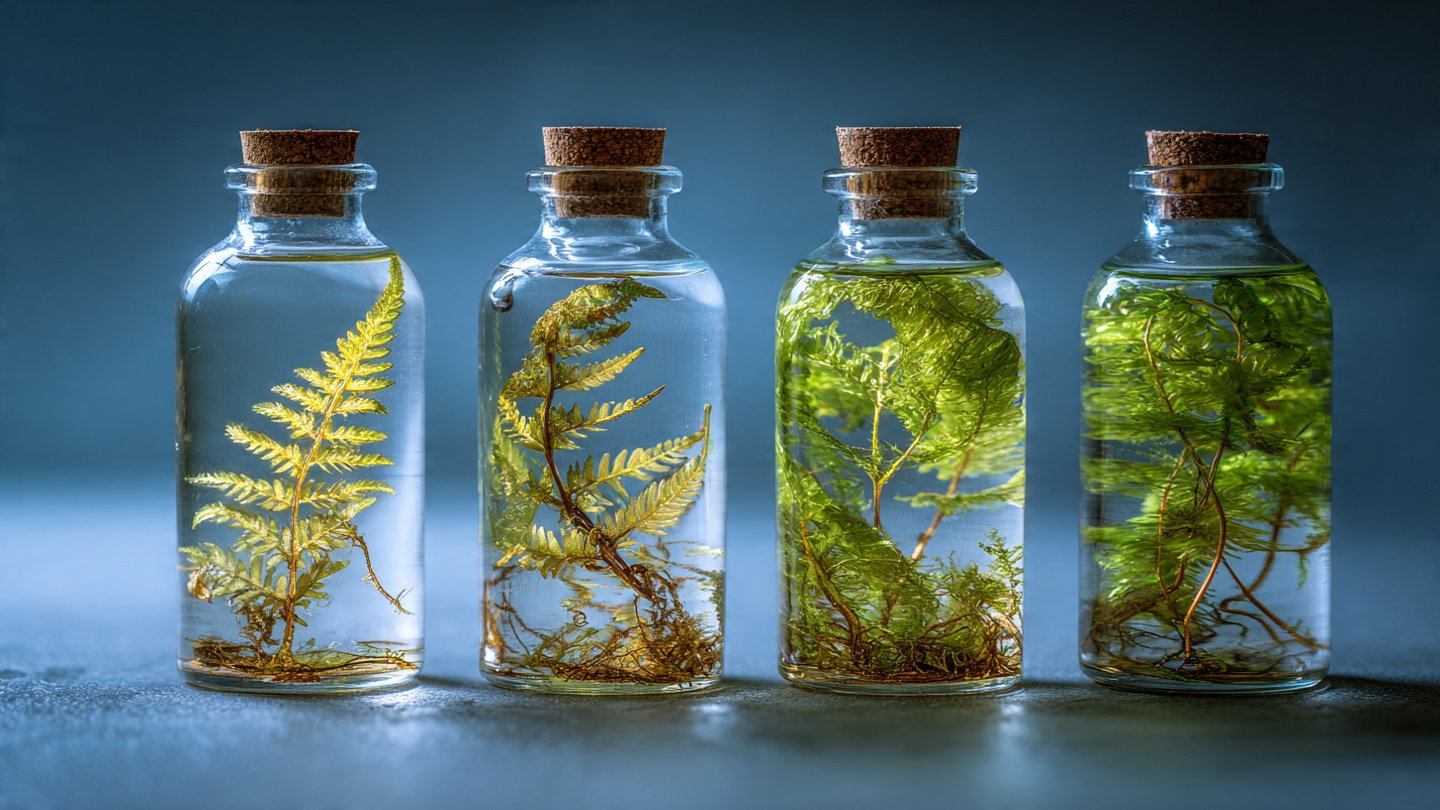
Caring for ferns can be a rewarding but challenging endeavor, especially when dealing with sensitive varieties. These delightful plants, known for their lush foliage and intricate fronds, often require specific care to thrive. One of the key aspects of fern care that is frequently overlooked is the quality of water used for their cultivation. In this article, we will explore how distilled water can profoundly influence the health and vitality of your sensitive ferns, ensuring they remain vibrant and flourishing.
Understanding the Needs of Sensitive Ferns
Ferns, particularly sensitive varieties like the Maidenhair fern (Adiantum spp.) and the Boston fern (Nephrolepis exaltata), have unique requirements. They thrive in humid environments and prefer indirect light, consistently moist soil, and a specific range of nutrients. Understanding the water quality is essential, as it affects not only hydration but also the overall health of these delicate plants.
Sensitive ferns are particularly susceptible to stress from over or under-watering, which can lead to drooping fronds, yellowing leaves, and stunted growth. By addressing the water quality, we can provide a stable environment that mimics their natural habitat while mitigating common issues.
The Importance of Water Quality
Tap water, which most people use for their plants, can contain a variety of dissolved minerals, chemicals, and pollutants. Elements such as chlorine, fluoride, and heavy metals can build up in the soil over time, creating an unhealthy environment for sensitive ferns. Here’s why water quality matters:
-
Chlorine and Fluoride: Commonly found in municipal water supplies, these chemicals can damage sensitive fern roots, leading to nutrient deficiencies and wilting.

-
Mineral Buildup: Hard water, which contains high levels of minerals like calcium and magnesium, can cause soil alkalinity over time. Ferns prefer slightly acidic conditions, and mineral buildup can disrupt their growth.
-
pH Imbalance: The pH of water affects nutrient availability. Sensitive ferns thrive in a pH range of 5.5 to 7.0. Tap water may skew this balance, especially if it is on the higher pH scale.
-
Pollutants: Other contaminants in tap water can also stress sensitive ferns, leading to poor growth and susceptibility to diseases.
To combat these issues, many plant enthusiasts have turned to distilled water as a suitable alternative.
What is Distilled Water?
Distilled water is created through a process of boiling water and condensing the steam back into liquid form. This purification method effectively removes impurities, such as minerals, chemicals, and other contaminants. The result is a pure form of water that is free from the elements that can harm sensitive ferns.
Advantages of Using Distilled Water for Sensitive Ferns

-
Purity: Distilled water is 99.9% free of contaminants, including chlorine, fluoride, and heavy metals. This purity is crucial for creating an ideal environment for ferns.
-
Consistent pH: The pH level of distilled water is typically around neutral (7.0), making it a stable choice for sensitive ferns. This ensures that the soil conditions remain conducive to nutrient absorption and overall plant health.
-
Prevention of Mineral Buildup: Using distilled water helps to prevent the accumulation of minerals in the soil that can disrupt the delicate balance needed for sensitive ferns. Over time, tap water can lead to soil salinity, which can be damaging.
-
Better Nutrient Availability: With the absence of harmful contaminants and a consistent pH, nutrients in the soil become more readily available to the ferns. This translates to healthier growth and vibrant foliage.
-
Reduced Stress: By minimizing chemical exposure, sensitive ferns experience less stress. This helps them to maintain their natural beauty and resilience against pests and diseases.
Implementing Distilled Water in Fern Care
Watering Practices

To incorporate distilled water into your fern care routine, follow these steps:
-
Watering Frequency: Ferns prefer consistently moist soil but can be sensitive to over-watering. Check the top inch of the soil; if it feels dry, it’s time to water. Use distilled water to bring moisture back into the soil.
-
Humidity: While distilled water can help with soil moisture, ferns also thrive in high humidity environments. Consider misting your ferns with distilled water to increase humidity levels. This additional moisture can help keep leaves healthy and vibrant.
-
Fertilization: Sensitive ferns appreciate regular feedings during the growing season (spring and summer). Since distilled water doesn’t contain nutrients, use a balanced, diluted fertilizer alongside it to ensure your ferns get the necessary nourishment.
-
Soil Testing: Monitor the soil pH regularly to ensure it remains within the ideal range. If it drifts out of balance, revitalizing with distilled water can help reset conditions.
Long-Term Benefits
Regularly using distilled water can lead to numerous long-term benefits for your sensitive ferns:

-
Enhanced Growth: As the ferns receive optimal hydration and nutrients, you’ll notice healthier, more vigorous growth over time.
-
Vibrant Coloration: Healthy ferns will display rich green colors with no browning or wilting, making them more attractive and visually pleasing.
-
Increased Pest Resistance: Fewer stressors in the environment can enhance your ferns’ natural defenses, leading to lower infestations by pests like spider mites or aphids.
-
Longevity: Distilled water contributes to the overall health of your ferns, helping them to thrive for longer periods and making your investment in them worthwhile.
Special Considerations
While distilled water can significantly improve the care of sensitive ferns, a few key considerations should be noted:

-
Cost and Accessibility: Distilled water can be more expensive and less convenient than tap water. If your budget allows, investing in a home distiller can provide a continuous supply.
-
Environmental Impact: The production of bottled distilled water can generate plastic waste. Consider utilizing reusable containers when purchasing or storing distilled water.
-
Alternatives: If distilled water isn’t readily available, rainwater is a suitable alternative. It is naturally soft, low in minerals, and typically free from chemicals found in tap water. Just ensure it’s collected in clean containers to avoid contaminants.
Conclusion
Caring for sensitive ferns can be a deeply satisfying experience, but it requires attention to detail and an understanding of their unique needs. By using distilled water, fern enthusiasts can significantly enhance the health and vitality of their sensitive varieties. The purity of distilled water, combined with proper watering practices and humidity management, provides an optimal environment for these delicate plants to flourish.
Transforming your fern care routine with distilled water can lead to stunning results, allowing your sensitive ferns to thrive and brighten your indoor spaces. Whether you’re a seasoned plant parent or a novice, the switch to distilled water is a small but impactful change that can revitalize your fern care approach. Embrace this easy yet powerful practice, and watch as your sensitive ferns blossom into a lush, verdant display of natural beauty.