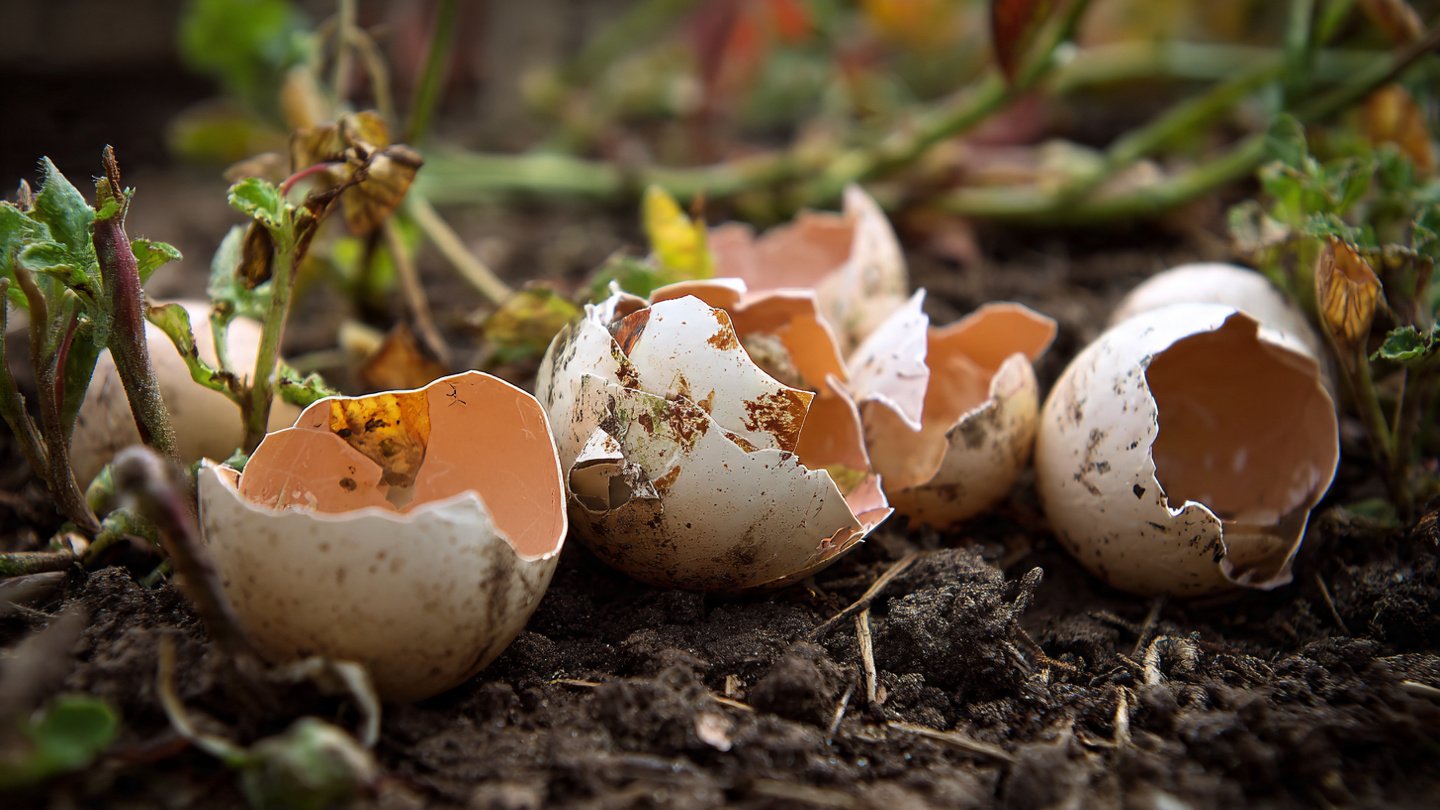
If you’re an avid gardener, you already understand the importance of maintaining a pest-free environment for your plants. Chemical pesticides can harm beneficial insects, pollinators, and even the soil itself. Fortunately, there are natural alternatives available that can help you keep pests at bay while enriching your garden. One such surprisingly effective solution is eggshells. This article delves into how you can use eggshells to repel pests naturally and keep your garden thriving.
The Composition of Eggshells
Eggshells are primarily made of calcium carbonate, making up about 95% of their composition. The remaining constituents include proteins and other minerals. In addition to being a great source of calcium, which is vital for plant growth, eggshells offer several benefits that make them an excellent natural pest deterrent:
- Physical Barrier: Crushed eggshells create a sharp, abrasive surface that can be discouraging for soft-bodied pests like slugs and snails.
- Calcium Source: The calcium in eggshells not only strengthens plants’ cell walls but also acts as a deterrent for certain pests that prefer calcium-deficient plants.
- Natural Fertilizer: As they break down, eggshells contribute essential nutrients back to the soil, promoting healthy growth.
How to Prepare Eggshells for Gardening
To effectively use eggshells in your garden, you’ll want to follow a few simple steps:

1. Collect and Clean
Once you crack eggs for cooking or baking, don’t toss the shells. Instead, rinse them thoroughly to remove any egg residue. This helps to prevent any unwanted odors or pests from being attracted to your garden.
2. Drying
After rinsing, allow the shells to air dry completely. You can also place them in a low-temperature oven (around 200°F or 95°C) for 10-15 minutes to speed up the drying process.
3. Crushing
Once your eggshells are dry, crush them into small pieces or grind them into a fine powder using a food processor or blender. Smaller particles will be more effective in deterring pests and integrating into the soil.
Using Eggshells in Your Garden
Now that you’ve prepared your eggshells, here are various ways to utilize them effectively:
1. Scatter Around Plants

Sprinkle crushed eggshells around the base of your plants, especially those susceptible to slugs and snails, like tomatoes and peppers. This acts as a physical barrier that deters these pests from getting near.
2. Mix Into Compost
Adding crushed eggshells to your compost heap enriches it with calcium and helps balance the pH levels. As the compost breaks down, the calcium will be available for your garden plants.
3. Eggshell Fertilizer
Mixing eggshell powder into the soil provides a slow-release form of calcium, which is beneficial for root development and overall plant health. It’s especially effective for young plants that may struggle without enough calcium.
4. Create Eggshell Seed Starters
Eggshells can also be used as biodegradable seed starters. Fill the shells with soil and plant seeds inside. Once the seedlings are ready for transplanting, you can plant them directly in the garden, shell and all, enriching the soil as they decompose.
Other Benefits of Eggshells in the Garden
In addition to keeping your garden pest-free, eggshells offer a variety of other benefits:

1. Attracts Beneficial Insects
Crushed eggshells can help attract beneficial insects such as ladybugs and predatory beetles, which actively hunt down pest insects, enhancing your garden ecosystem.
2. Reduces Soil Acidity
If your soil is overly acidic, adding crushed eggshells can help balance its pH level. The calcium carbonate in the shells serves as a natural liming agent.
3. Enhances Soil Structure
As eggshells break down, they improve soil aeration and drainage, which is particularly helpful for heavy clay soils that retain too much water.
Conclusion
Eggshells are a fantastic, sustainable solution for maintaining pest-free gardens while providing essential nutrients to your plants. By utilizing this readily available resource, you can enhance your garden’s health and resilience against pests. Furthermore, using eggshells aligns with eco-friendly gardening practices that minimize chemical use and foster a balanced ecosystem.

Next time you enjoy a delicious egg dish, remember not to throw away those shells! Instead, turn them into a powerful ally for your gardening endeavors.
FAQs
1. How often should I apply eggshells in my garden?
You can apply crushed eggshells once a month or as needed. Regular applications can help maintain their benefits for soil health and pest prevention.
2. Do I need to use only fresh eggshells?
Not necessarily. You can use dried eggshells that have been cleaned and stored for later use.
3. Can eggshells attract pests?
Eggshells themselves do not attract pests, but it’s important to clean them properly to avoid attracting unwanted animals with residue.
4. How long does it take for eggshells to decompose in the soil?

Eggshells can take several months to a few years to fully decompose, depending on factors like soil composition and moisture levels. However, even as they break down slowly, they continue to provide nutrients.
5. Are there any other uses for eggshells in gardening?
Yes! Beyond pest control, eggshells can be used to deter animals from eating your plants, enrich compost, and improve soil quality.