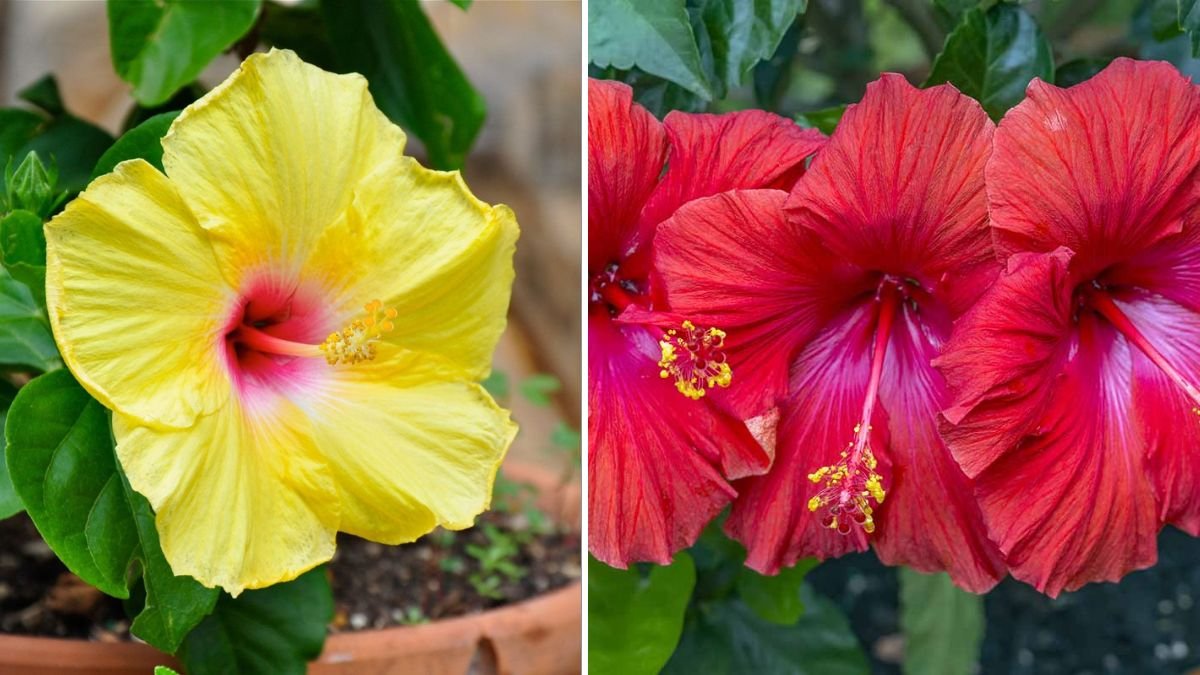
Hibiscus plants are known for their stunning, tropical blooms and their ability to bring a splash of color to any garden or patio. For beginners, growing hibiscus in pots offers an excellent opportunity to enjoy these vibrant flowers without the need for a large garden space. This guide will provide you with everything you need to know about successfully growing hibiscus in pots, from selection and planting to care and troubleshooting.
1. Choosing the Right Hibiscus Variety
a. Types of Hibiscus
Before you begin your gardening journey, it’s important to select the right type of hibiscus. Here are a few popular varieties suitable for pot growth:
- Tropical Hibiscus (Hibiscus rosa-sinensis): Known for their large, showy flowers, these are often used in warmer climates.
- Hardy Hibiscus (Hibiscus moscheutos): This variety is more tolerant of colder temperatures and can survive in USDA zones 4-9.
- Rose of Sharon (Hibiscus syriacus): A shrub with beautiful flowers that also attracts butterflies.
b. Consider Your Climate
Different varieties of hibiscus thrive in different climates. Tropical hibiscus prefers warm, humid conditions, whereas hardy hibiscus can handle cooler temperatures. Make sure to choose a variety that suits your local climate for best results.
2. Selecting the Right Pot
The choice of pot is critical to the success of your hibiscus.
a. Size
Choose a pot that is at least 12-18 inches in diameter. This will give the roots ample room to grow. If you’re starting with seedlings, you can initially use smaller pots and transplant them later.

b. Material
Hibiscus needs good drainage. Terracotta and ceramic pots are popular choices since they provide good airflow to the roots. Make sure whichever pot you choose has drainage holes at the bottom.
c. Drainage
To ensure that excess water can escape, line the bottom of your pot with gravel or rocks before adding soil. This will prevent root rot due to water accumulation.
3. Soil Requirements
Hibiscus prefers well-draining soil rich in organic matter.
a. Soil Type
A sandy loam or potting mix that’s specifically formulated for flowering plants is ideal. You can create your own mix by combining equal parts of garden soil, compost, and perlite or vermiculite.
b. pH Level
The ideal pH for hibiscus is slightly acidic to neutral, around 6.0 to 7.0. You can measure soil pH with a pH meter or test kit and amend it if necessary.
4. Planting Hibiscus
a. Timing
The best time to plant hibiscus in pots is during the spring when the danger of frost has passed. This allows the plant to establish itself before the heat of summer.

b. Planting Steps
-
Prepare the Pot: Add drainage material to the bottom and fill it with your soil mix, leaving about two inches of space at the top.
-
Remove the Plant: Gently take your hibiscus from its nursery pot, being careful not to damage the roots.
-
Placement: Place the plant in the new pot, ensuring it’s at the same depth as it was in its previous pot.
-
Fill and Water: Fill around the roots with more soil mix and water thoroughly to eliminate air pockets.
5. Care and Maintenance
Once you’ve planted your hibiscus, ongoing care is crucial for thriving plants.
a. Light Requirements
Hibiscus loves sunlight! Place your pot in a location where it can receive at least 6-8 hours of sunlight daily. A south-facing patio or balcony is ideal.
b. Watering
Water regularly, allowing the top inch of soil to dry out between waterings. Hibiscus prefers consistently moist soil but will not tolerate waterlogged conditions.

c. Fertilizing
Feed your hibiscus with a balanced fertilizer, preferably one formulated for flowering plants. Fertilize every 4-6 weeks during the growing season (spring and summer).
d. Pruning
Prune your hibiscus in early spring to encourage bushy growth and more blooms. Trim back any dead or damaged branches and shape the plant as desired.
6. Pest and Disease Management
a. Common Pests
Hibiscus can attract pests such as aphids, spider mites, and mealybugs.
- Aphids: Look for clusters on new growth. Spray with insecticidal soap or a strong stream of water to dislodge them.
- Spider Mites: These small bugs can cause webbing on leaves. Increasing humidity and regular misting can help deter them.
b. Diseases
Hibiscus can be susceptible to root rot and powdery mildew.
- Root Rot: Ensure proper drainage and avoid overwatering to prevent this.
- Powdery Mildew: This fungal disease appears as a white coating on leaves. Improve air circulation and avoid wetting the foliage during watering.

7. Seasonal Care
a. Summer Care
During hot summer months, hibiscus may need extra watering. Monitor soil moisture closely and provide shade if the temperature rises excessively.
b. Winter Care
If you live in a colder climate and have a hardy hibiscus, you can leave it in the pot. For tropical varieties, you will need to bring them indoors to protect them from frost. Place them near a bright window, and reduce watering during the winter months.
8. Repotting
As your hibiscus grows, it may outgrow its pot. Signs it’s time to repot include roots coming out of the drainage holes or stunted growth. Repot in early spring using fresh soil to refresh nutrients.
FAQ Section
1. Can I grow hibiscus indoors?
Yes, you can grow hibiscus indoors. Just ensure it receives enough light—consider adding grow lights if natural sunlight is insufficient.
2. Why are my hibiscus leaves turning yellow?
Yellowing leaves can indicate overwatering, nutrient deficiency, or insufficient light. Check the soil moisture and consider fertilizing if it has been a while since the last feeding.
3. How often should I water my hibiscus?

Water your hibiscus when the top inch of soil feels dry, usually every few days. However, this can vary based on temperature and humidity levels.
4. How do I encourage more blooms?
Ensure your hibiscus receives plenty of sunlight and is well-fertilized. Regular pruning will also encourage more blooms.
5. Can I use regular garden soil for hibiscus?
While regular garden soil is possible, it may not drain well enough. A potting mix designed for container plants is recommended.
6. What should I do if my hibiscus isn’t blooming?
If your hibiscus is healthy but not flowering, it may not be getting enough sunlight or nutrients. Reassess its conditions and adjust accordingly.
7. Is hibiscus toxic to pets?
Most hibiscus varieties are non-toxic to pets, but it’s always best to confirm specific varieties if you have pets that tend to chew on plants.
Conclusion
Growing hibiscus in pots offers an enchanting way to brighten up your space with their vibrant colors. While it may require some attention and care, the rewards are plentiful. By following this guide and regularly assessing your plant’s needs, you can become a successful hibiscus gardener. Happy gardening!