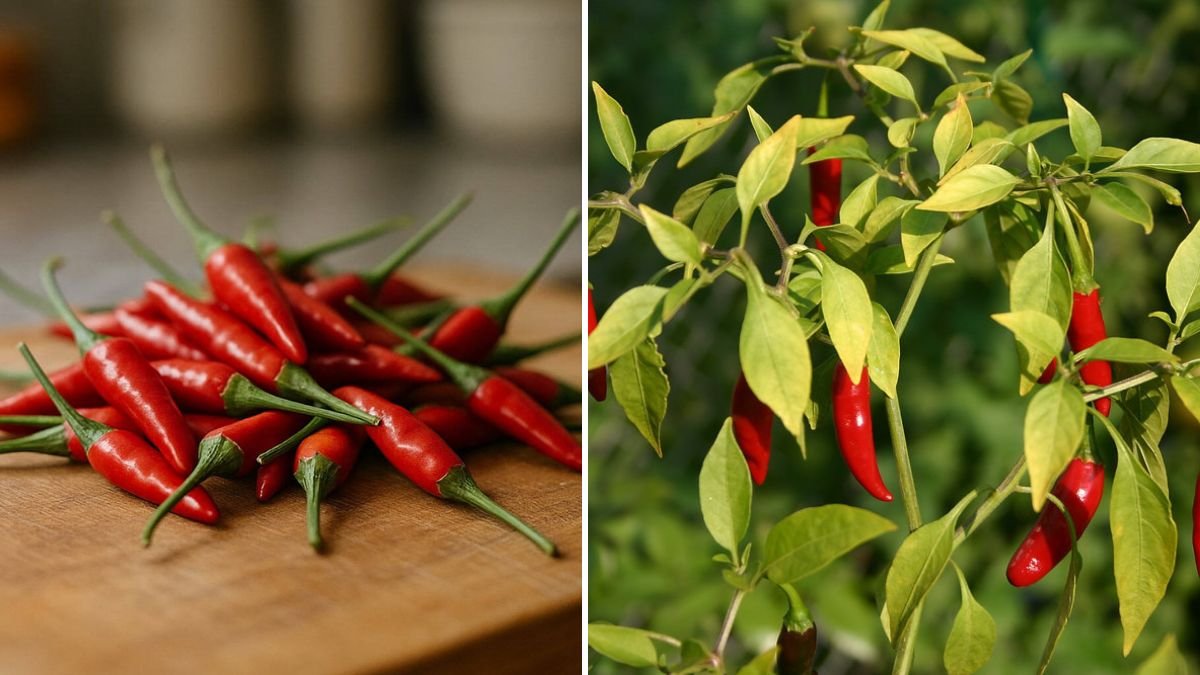
Bird Eye Chili, also known as Thai Chili or bird’s chili (Capsicum frutescens), is a favorite in many kitchens due to its fiery heat and unique flavor. Whether you are looking to spice up your dishes or diversify your garden, growing Bird Eye Chili in pots at home is an excellent option. This guide will help you navigate the essentials of pot cultivation to ensure a successful yield of this popular pepper.
Understanding Bird Eye Chili
Characteristics
Bird Eye Chilis are small, usually measuring about 1-2 inches in length, and are known for their intense heat. They can range from 50,000 to over 100,000 Scoville Heat Units (SHU), making them significantly hotter than jalapeños. Their vibrant colors, ranging from green to red, also add visual appeal to your garden or kitchen.
Benefits of Growing in Pots
- Space Efficiency: Ideal for those with limited gardening space.
- Mobility: Pots can be moved to take advantage of optimal sunlight and weather conditions.
- Soil Control: You have complete control over soil quality, drainage, and nutrients.
- Pest Management: Easier to monitor and manage pests than in-ground plants.
Choosing the Right Pot
Size
For Bird Eye Chili, choose a pot that is at least 5 gallons. This size provides ample room for root development and ensures good drainage.
Material

Ceramic, plastic, and terracotta pots are all suitable. Ensure your pot has drainage holes to prevent waterlogging.
Design
Consider a pot with good aeration features. Self-watering pots are great for maintaining moisture levels, especially in hot weather.
Soil Requirements
Type
Bird Eye Chilis thrive in well-draining, nutrient-rich soil. A mix of potting soil, compost, and perlite works well. This combination ensures good aeration and drainage, which are essential for root health.
pH Level
The ideal pH range for growing chilis is between 6.0 to 7.0. A slightly acidic to neutral pH will promote healthy growth.
Fertilization
Use a balanced, slow-release fertilizer when planting. Once the plants are established, consider using a fertilizer high in potassium and phosphorus to promote fruiting.
Planting Bird Eye Chili
When to Plant
The best time to plant Bird Eye Chili is in the spring after the last frost date. In warmer climates, you can plant them in late winter or early spring.

Starting from Seeds
- Seed Selection: Purchase high-quality seeds from a reputable source.
- Germination: Start seeds indoors in seed trays with a seed-starting mix. Keep moist but not soggy. Germination typically takes 2–3 weeks.
- Transplanting: Once the seedlings have at least two sets of true leaves and are about 3-4 inches tall, they can be transplanted into larger pots.
Direct Planting
If you prefer to plant directly into a pot:
- Fill the pot with your soil mix and make a small hole for the seed.
- Plant the seed about ¼ to ½ inch deep.
- Water the soil gently, ensuring it is moist but not soaking wet.
Care and Maintenance
Watering
Bird Eye Chilis prefer consistent moisture. Water them when the top inch of the soil feels dry. Avoid overhead watering to minimize diseases. A drip irrigation system is ideal for maintaining consistent moisture levels.
Sunlight

These chilis thrive in full sun, requiring at least 6-8 hours of sunlight a day. Position pots in a sunny spot or use grow lights if growing indoors.
Pruning
Regularly prune the plants to encourage bushier growth. Trim any yellow or dead leaves, and pinch off the tips of the stems to promote branching.
Pest Control
Watch for common pests like aphids, spider mites, and whiteflies. Use insecticidal soap or neem oil for treatment, and encourage beneficial insects like ladybugs.
Harvesting Bird Eye Chili
When to Harvest
Bird Eye Chilis are typically ready for harvest about 90-120 days after planting, depending on the variety and growing conditions. You can harvest them when they are green, but they will become sweeter and hotter as they ripen to red.
How to Harvest
Use sharp scissors or pruning shears to cut the chilis from the plant, ensuring not to damage any stems or leaves. Wear gloves if you have sensitive skin, as the oils can irritate.
Storing Your Chilis
Once harvested, store Bird Eye Chilis in a cool, dry place. They can be kept in the refrigerator for up to two weeks. For longer storage, consider drying or freezing:

- Drying: Hang them in a dry, ventilated area or use a dehydrator.
- Freezing: Chop the chilis and store them in an airtight container or freezer bag.
Frequently Asked Questions (FAQs)
1. Can I grow Bird Eye Chili indoors?
Yes, Bird Eye Chilis can be successfully grown indoors provided they receive enough light. Consider using grow lights if natural light is insufficient.
2. What type of fertilizer is best for Bird Eye Chili?
A balanced, slow-release fertilizer is ideal during the initial growth stage. Once established, shift to a fertilizer high in phosphorus and potassium to enhance fruit production.
3. How often should I water my chili plants?
Chili plants prefer consistent moisture. Water when the top inch of soil is dry, which may be 1-2 times a week depending on environmental conditions.
4. Why are my chili plants not producing fruit?
If your plants are healthy but not flowering, they may not be getting enough sunlight. Ensure they receive at least 6-8 hours of direct sunlight daily. Moisture levels and temperature variations can also impact fruit production.
5. Can I save seeds from my Bird Eye Chilis?
Yes! You can save seeds from fully ripened chilis. Remove the seeds, dry them completely, and store them in a cool, dark location. Properly stored seeds can last for several years.

6. Are Bird Eye Chilis self-pollinating?
Yes, Bird Eye Chilis are typically self-pollinating, meaning they do not need another plant to produce fruit. However, having multiple plants can improve yield.
7. How can I tell if my chilis are ripe?
Bird Eye Chilis are ripe when they change color from green to red. At this stage, they will have the best flavor and heat.
8. What are some common diseases that affect Bird Eye Chilis?
Common issues include powdery mildew, aphids, and root rot. Good air circulation, appropriate watering, and regular monitoring can prevent most issues.
Conclusion
Growing Bird Eye Chili in pots at home can be an incredibly rewarding experience. With the right pot, soil, care, and attention to detail, you can enjoy a bountiful harvest of these spicy delights. Experimenting with different growing techniques and conditions can lead to even better results, so don’t hesitate to learn and adjust along the way. Happy gardening!