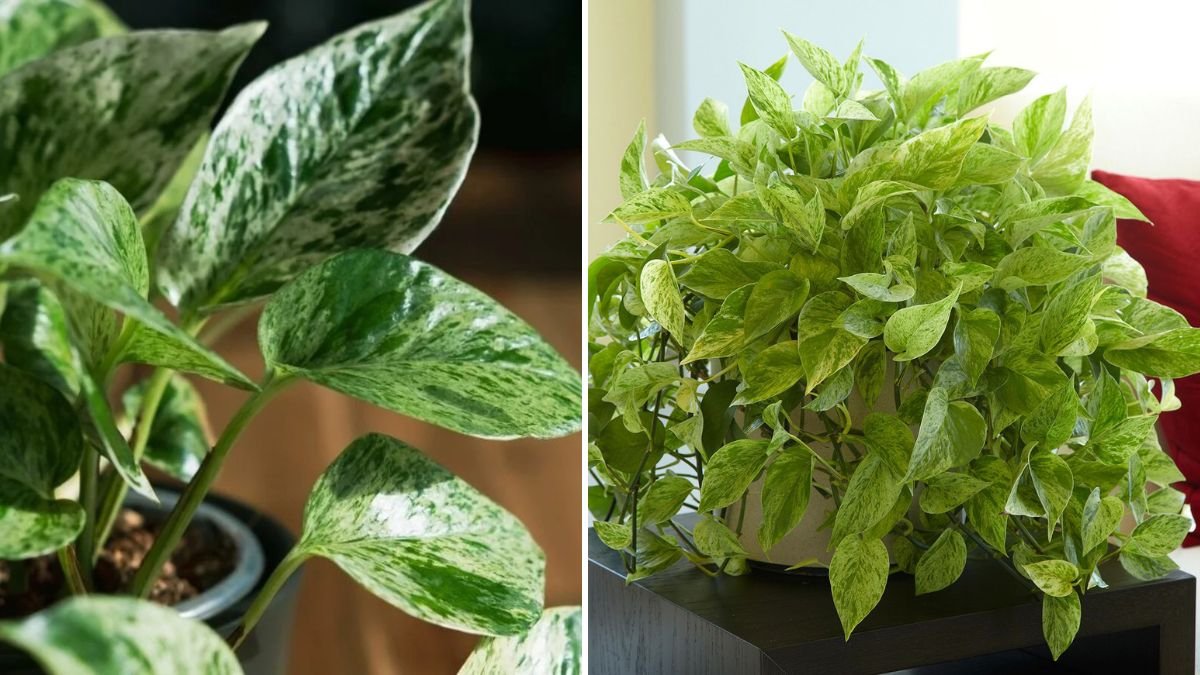
The Marble Queen Pothos (Epipremnum aureum), known for its striking variegated foliage, is a popular choice for indoor gardening. With its vibrant green and creamy-white leaves, this plant not only enhances your indoor space aesthetically but also purifies the air. Additionally, it’s incredibly resilient, making it perfect for both novice and seasoned plant enthusiasts. In this article, you’ll find tips for successfully growing Marble Queen Pothos indoors with minimal effort.
Understanding the Marble Queen Pothos
Before diving into care tips, it’s essential to understand what makes Marble Queen Pothos unique. This plant is a cultivar of the common Pothos, which is renowned for its ability to thrive in varied conditions. Marble Queen Pothos showcases stunning marble-like patterns on its leaves, giving it a distinct appearance. This variety is especially favored for its lower maintenance needs, allowing it to adapt well to indoor environments.
Choosing the Right Location
One of the first steps in ensuring a healthy Marble Queen Pothos is selecting an appropriate location in your home. Here are some guidelines:
1. Light Conditions
Marble Queen Pothos prefers bright, indirect sunlight. Too much direct sun can scorch its leaves, while too little light may hinder its growth and reduce variegation. An east-facing window is ideal, providing morning light without the harsh afternoon sun.
2. Temperature and Humidity
This plant thrives in temperatures between 65°F and 85°F (18°C – 29°C). It’s important to avoid placing it in areas with drastic temperature fluctuations or drafts, such as near heating vents or air conditioners. Although Marble Queen Pothos can tolerate lower humidity levels, maintaining humidity around 40-50% will enhance its growth and leaf quality.
Selecting the Right Pot and Soil
The choice of pot and soil can significantly affect the health of your Marble Queen Pothos. Here are some recommendations:
1. Potting Considerations

Choose a pot with drainage holes to prevent water from pooling at the bottom, which can lead to root rot. Terracotta pots are a good option because they are porous, providing better airflow to the roots.
2. Soil Type
A well-draining potting mix is essential. You can use a high-quality all-purpose potting soil mixed with perlite or orchid bark to improve drainage. This combination allows the roots to breathe while retaining sufficient moisture.
Watering Routine
Watering is one of the most crucial aspects of caring for Marble Queen Pothos. Here’s how to get it right:
1. Frequency
Pothos generally prefer to dry out a bit between waterings. Check the top inch of the soil; if it feels dry, it’s time to water. Depending on factors such as temperature and humidity, your Marble Queen Pothos may need water every 1-2 weeks.
2. Watering Technique
When watering, do so thoroughly until water drains out of the bottom holes. Avoid letting the plant sit in excess water, as this can lead to root rot.
Fertilizing Your Marble Queen Pothos
Feeding your Marble Queen Pothos helps encourage robust growth:
1. Fertilization Schedule
Fertilize during the growing season (spring and summer) every 4-6 weeks. In the fall and winter, reduce or suspend fertilization since the plant will enter a dormant phase.

2. Type of Fertilizer
A balanced liquid fertilizer diluted to half-strength is usually sufficient. You can also opt for a slow-release fertilizer, which will provide nutrients over an extended period.
Pruning for Growth and Shape
Pruning is essential not only for aesthetics but also to encourage bushier growth:
1. What to Prune
Trim back any yellow or damaged leaves, as well as stems that have become too long. This will help redirect the plant’s energy to healthier growth.
2. Frequency of Pruning
You can prune as needed throughout the year. Regularly cutting back your Marble Queen will promote fuller growth and can be done easily with clean scissors.
Pest Management
While the Marble Queen Pothos is relatively pest-resistant, it’s essential to monitor for common pests:
1. Common Pests
Watch for spider mites, mealybugs, and aphids. These pests can cause leaf damage if left untreated.

2. Treatment
If you notice infestations, wipe down the leaves with a damp cloth or spray them with insecticidal soap. You can also rinse your plant with water to dislodge any pests.
Repotting
Repotting is a vital part of keeping your Marble Queen Pothos healthy. Here’s how and when to do it:
1. Timing
Typically, you should repot your plant every 1-2 years, or when you notice roots growing out of the drainage holes.
2. Steps for Repotting
When repotting, carefully remove the plant from its current pot, gently loosen any tightly bound roots, and place it in the new pot with fresh soil. Water it thoroughly after repotting.
Propagation Tips
One of the best advantages of growing Marble Queen Pothos is its ease of propagation. You can easily create new plants for yourself or as gifts.
1. How to Propagate
Take stem cuttings with at least a few leaves. Place the cut end in water, ensuring that the nodes submerged. Change the water every week, and in a few weeks, you should see roots develop. Once they are about 3-4 inches long, they can be planted in soil.
2. Direct Soil Propagation

Alternatively, you can plant the cuttings directly into a pot with soil. Just ensure that the soil remains moist until roots establish.
Seasonal Care
Understanding seasonal changes is crucial for the health of your Marble Queen Pothos.
1. Winter Care
During winter, reduce watering frequency since the plant’s growth will slow down. Keep it in a bright location but protect it from temperatures below 50°F (10°C).
2. Summer Care
In summer, your plant will thrive and grow substantially. Increase watering as needed, especially if you notice it rapidly drying out.
FAQ Section
1. Can Marble Queen Pothos survive in low light?
While it can survive in low light, it prefers bright, indirect sunlight for optimal growth and to maintain its variegation.
2. How often should I water my Marble Queen Pothos?
Check the soil; if the top inch is dry, it’s time to water. This usually translates to watering every 1-2 weeks.
3. Why are the leaves turning yellow?

Yellow leaves can indicate overwatering or insufficient light. Check both your watering schedule and the light conditions.
4. Is Marble Queen Pothos toxic to pets?
Yes, Marble Queen Pothos is mildly toxic to cats and dogs. Keep it out of reach of pets and consult a veterinarian if ingested.
5. How can I encourage bushier growth?
Regular pruning and providing adequate light will help your Marble Queen Pothos grow fuller and bushier.
6. What type of fertilizer is best?
Use a balanced liquid fertilizer diluted to half-strength during the growing season for optimal results.
7. Can I grow Marble Queen Pothos in just water?
Yes, Marble Queen Pothos can thrive in water, but it will require frequent water changes and may not grow as vigorously as it would in soil.
Conclusion
Growing a Marble Queen Pothos indoors can be a rewarding endeavor, enabling you to enjoy its beauty with minimal effort. By following these tips, you’ll be well on your way to nurturing a thriving and stunning houseplant that brings life and color to your indoor environment. Enjoy your journey with this fabulous plant!