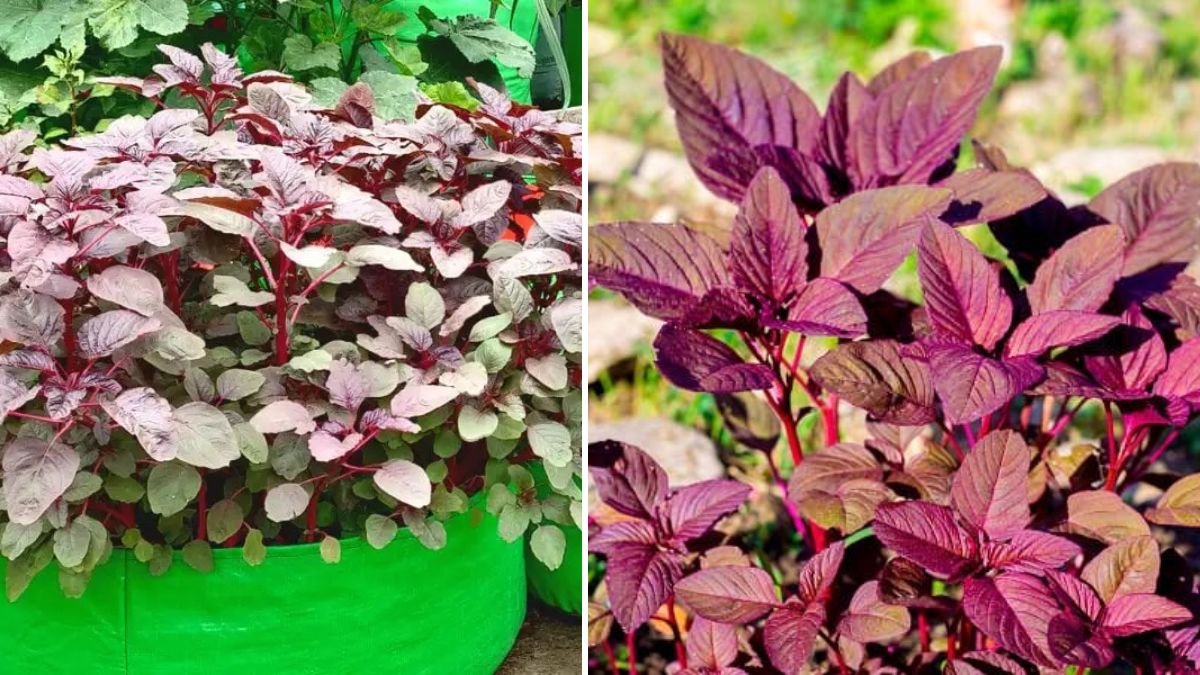
Growing Lal Bhaji (also known as Red Amaranth) in pots is an excellent way to enjoy fresh greens right from your own garden, especially if you have limited gardening space. This nutritious leafy vegetable is not only a culinary delight but also rich in vitamins and minerals. In this article, we’ll explore how to successfully cultivate Lal Bhaji in pots using simple techniques for optimal growth.
Understanding Lal Bhaji
Lal Bhaji is a type of amaranth, distinguished by its vibrant red stems and leaves. It is a fast-growing, warm-weather crop that can be grown throughout the year in many regions. This vegetable is cherished for its nutty flavor and is often used in various dishes, including salads, soups, and stir-fries. Additionally, it is a powerhouse of nutrients, offering high levels of iron, calcium, and vitamins A and C.
Selecting the Right Pots
Container Type
Choosing the right pot is crucial for growing Lal Bhaji successfully. Opt for containers made from materials like plastic, terracotta, or ceramic. Ensure that the pots have drainage holes to prevent waterlogging, which can lead to root rot.
Size
A pot of at least 12-16 inches in diameter is ideal for growing Lal Bhaji. This size allows sufficient space for root growth. If you’re planning to grow multiple plants, consider a larger container to accommodate them.
Choosing the Right Soil
Soil Type
Lal Bhaji thrives in well-draining soil enriched with organic matter. A blend of potting soil, compost, and perlite or vermiculite can provide the necessary drainage and nutrients.
Soil pH
The ideal pH for Lal Bhaji is slightly acidic to neutral (6.0 to 7.0). You can purchase a soil testing kit to determine the pH levels and amend the soil accordingly.

Sowing Seeds
When to Plant
Lal Bhaji can be planted throughout the year in most climates, but the best time is during the warmer months when the temperature is consistently above 60°F (15°C).
How to Sow
- Seed Preparation: Soak the seeds in water for a few hours before planting to enhance germination rates.
- Planting: Fill the pot with the prepared soil mixture, leaving about an inch of space from the top. Scatter the seeds evenly across the soil surface and lightly cover them with a thin layer of soil (about ¼ inch).
- Watering: Water gently to moisten the soil without washing away the seeds.
Thinning Seedlings
Once the seedlings emerge (typically within 7-14 days), thin them out to ensure adequate space for growth. Ideally, keep the healthiest seedlings spaced about 4-6 inches apart.
Watering Techniques
Frequency
Lal Bhaji requires consistent moisture, but it’s essential not to overwater. Check the top inch of the soil—if it feels dry, it’s time to water. Aim for a watering schedule of 2-3 times per week.
Method
Water the plants at the base rather than from above to prevent fungal diseases. Early morning is the best time to water, allowing leaves to dry out during the day.

Fertilizing for Optimal Growth
Type of Fertilizer
Use a balanced, water-soluble fertilizer, high in nitrogen, phosphorus, and potassium (e.g., 10-10-10). Organic options include fish emulsion or seaweed extract, which provide slow-release nutrients.
Application
Fertilize every 4-6 weeks throughout the growing season. Dilute the fertilizer according to package instructions and apply it during watering to ensure even distribution.
Providing Adequate Sunlight
Light Requirements
Lal Bhaji loves sunlight and requires 6-8 hours of direct sunlight each day. If you’re growing it indoors, place the pots near a south-facing window or consider using grow lights.
Temperature Considerations
Lal Bhaji thrives in warm conditions. The ideal temperature for growth is between 70°F to 85°F (21°C to 29°C). Protect young plants from extreme conditions like frost or intense heat.
Pest and Disease Management
Common Pests
Keep an eye out for aphids, spider mites, and flea beetles. Regularly inspect the undersides of leaves for pests. You can use insecticidal soap or neem oil as a natural remedy to control infestations.

Fungal Diseases
Lal Bhaji can be susceptible to diseases like downy mildew. Maintain good air circulation by spacing plants adequately and avoid overhead watering. If you notice any infected leaves, remove them immediately.
Harvesting Lal Bhaji
When to Harvest
You can start harvesting Lal Bhaji leaves when they are about 6-8 inches tall, usually within 4-6 weeks of planting. Younger leaves are more tender and flavorful, perfect for salads.
Harvesting Method
Use sharp, clean scissors to snip the leaves from the plant, leaving some foliage for continued growth. A cut-and-come-again method allows the plant to keep producing new leaves throughout the season.
Storing Lal Bhaji
Refrigeration
Store freshly harvested Lal Bhaji in a plastic bag or container in the refrigerator. It can last for about a week, but it’s always best to use it fresh for optimal flavor and nutrient retention.
Freezing
If you have a surplus, consider blanching and then freezing the leaves. This method preserves flavor and nutrients for future use.
Tips for Success
- Rotate Crops: If you’re planting Lal Bhaji in the same pot each year, practice crop rotation to minimize pests and diseases.
- Companion Planting: Consider planting Lal Bhaji alongside herbs like basil or other leafy greens to deter pests.
- Regular Monitoring: Check your plants daily for signs of stress, pests, or nutrient deficiencies.

Conclusion
Growing Lal Bhaji in pots can be a rewarding gardening experience, providing fresh, nutritious greens right at your fingertips. With the right pot, soil, and care techniques, you can enjoy a bountiful harvest throughout the growing season.
FAQs
1. Can I grow Lal Bhaji indoors?
Yes, Lal Bhaji can be grown indoors as long as it receives adequate sunlight (6-8 hours per day) and is kept in a warm environment.
2. How often should I fertilize my Lal Bhaji plants?
Fertilize every 4-6 weeks with a balanced, water-soluble fertilizer or organic options like fish emulsion.
3. What pests should I be aware of when growing Lal Bhaji?
Common pests include aphids, spider mites, and flea beetles. Regular inspections and natural remedies like neem oil can help control them.

4. How long does it take for Lal Bhaji to grow?
Lal Bhaji generally takes 4-6 weeks from sowing to reach a harvestable size.
5. Can I grow Lal Bhaji from cuttings?
While Lal Bhaji is typically grown from seeds, healthy cuttings can occasionally root and grow. However, starting from seeds yields a more consistent result.
6. What is the best time of year to plant Lal Bhaji?
Lal Bhaji can be planted throughout the year in many regions, but it thrives in warmer weather, so spring and summer are ideal.
With these tips and techniques, you can successfully grow your own Lal Bhaji in pots and enjoy the many benefits of this nutritious green. Happy gardening!