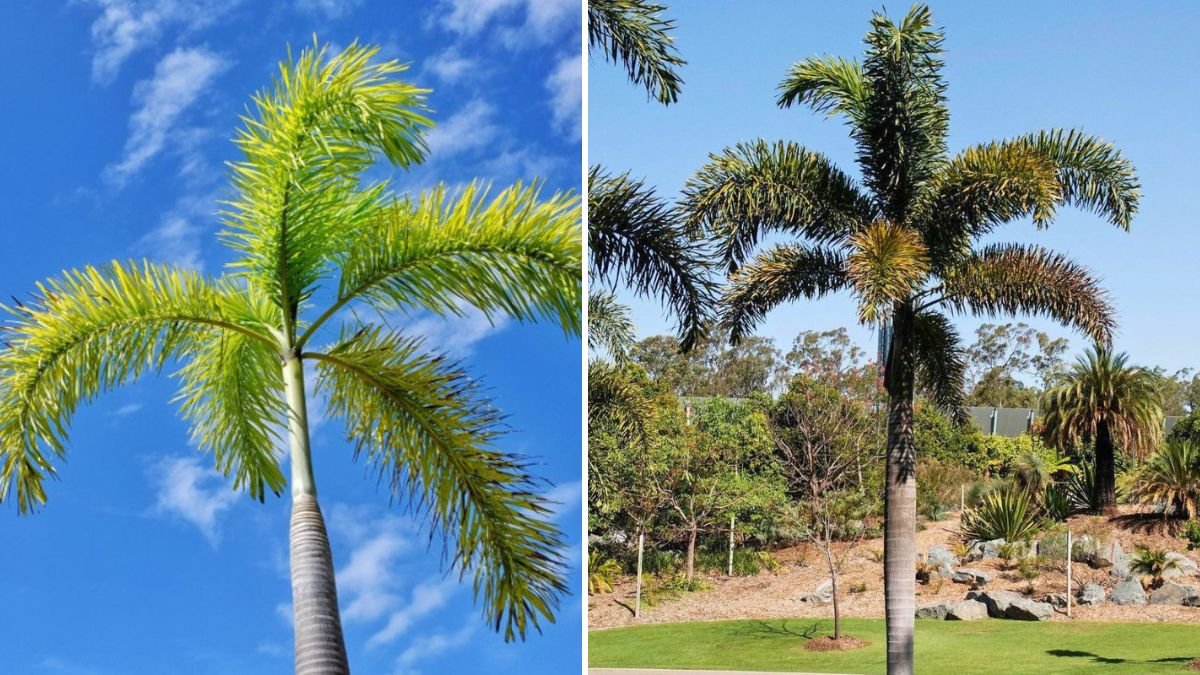
Foxtail palm (Wodyetia bifurcata) is a stunning tropical tree cherished for its feathery fronds and unique appearance. Originally native to Australia, this palm thrives in warm climates and has gained immense popularity as an ornamental plant for home gardens and landscaping. Whether you wish to enhance your backyard or add flair to your indoor spaces, this guide will walk you through the essentials of growing Foxtail palm, from selection and planting to care and maintenance.
1. Characteristics of the Foxtail Palm
Appearance
The Foxtail palm stands out with its long, arching fronds that resemble a fox’s tail, hence its name. These fronds can grow up to 3 meters long, creating an impressive canopy. The bark is smooth and greyish, providing a striking contrast against the vibrant green foliage.
Growth Habit
Typically, the Foxtail palm grows in a single trunk formation, reaching a height of up to 15 meters (50 feet) in ideal conditions. This palm is valuable for landscaping as it can serve as a focal point or backdrop in various garden settings.
Hardiness Zone
Foxtail palms thrive in USDA hardiness zones 9b to 11, making them suitable for many tropical and subtropical climates.
2. Selecting the Right Location
Sunlight Requirements
Foxtail palms prefer full sun to partial shade. Ideally, they should receive at least 6–8 hours of sunlight each day to maintain healthy growth.
Soil Type

Well-draining sandy or loamy soil is best for Foxtail palms. These trees do not tolerate waterlogged conditions, which can lead to root rot. If your soil is clay-heavy, consider amending it with organic material or choosing a raised bed.
Space Considerations
When planting, ensure adequate space for the palm to grow. The Foxtail palm can spread widely, so plant it at least 4–6 feet away from other trees or structures.
3. Planting the Foxtail Palm
Choosing the Right Time
The best time to plant a Foxtail palm is during the warm months, preferably in spring or early summer when the risk of frost has passed.
Steps for Planting
-
Prepare the Soil: Mix organic compost and sand into your planting hole to improve drainage and nutrient content.
-
Dig the Hole: The hole should be twice as wide and slightly deeper than the root ball of the palm. This allows the roots to spread easily.
-
Position the Palm: Place the palm upright in the hole. Ensure that the top of the root ball is level with the surrounding soil.
-
Backfill and Water: Fill the hole with soil and gently compact it around the base of the palm. Water thoroughly to eliminate air pockets and give the roots a good start.

Mulching
Apply a layer of organic mulch around the base of the palm to retain moisture and suppress weeds. Keep the mulch several inches away from the trunk to prevent rot.
4. Care and Maintenance
Watering
Foxtail palms prefer consistently moist soil but do not enjoy being waterlogged. Water the palm when the top inch of soil feels dry. During hot summer months, you may need to increase the frequency of watering.
Fertilizing
To promote healthy growth, fertilize the Foxtail palm with a balanced slow-release fertilizer every 3–4 months during the growing season (spring and summer). Look for fertilizers formulated for palms, enriched with potassium, magnesium, and micronutrients.
Pruning
Regular pruning is not necessary for the Foxtail palm unless you want to remove dead fronds or seed pods. Always use clean, sharp tools to make clean cuts and minimize the risk of disease.
Pest Control
Foxtail palms are relatively resilient to pests, but you should keep an eye out for scale insects and spider mites. If detected, treat them with insecticidal soap or neem oil.
5. Propagation

While Foxtail palms can be propagated from seeds, this process can be slow. Here’s how to do it:
-
Obtain Seeds: Collect fresh seeds from the fruit produced by the palm.
-
Scarification: Use sandpaper to lightly scarify the seed coating, which helps facilitate germination.
-
Soaking: Soak the seeds in water for 24 hours to soften the seed coat.
-
Planting: Sow the seeds in a warm location in moistened potting soil. Keep them in indirect light and maintain humidity. Germination may take several weeks to months.
6. Foxtail Palms in Landscaping
Foxtail palms are versatile and can be utilized in various landscaping designs:
- Accent Plants: Use them as standalone features in gardens or patios.
- Row Planting: Plant several foxtail palms in a row to create a stunning visual boundary.
- Mixed Planting: Combine Foxtail palms with other tropical plants for an exotic garden look.
- Containers: For smaller spaces or patios, Foxtail palms can thrive in large pots.

7. Environmental Benefits
Beyond their aesthetic appeal, Foxtail palms contribute positively to the environment. They improve air quality, provide shade, and attract various bird species with their fruit.
Frequently Asked Questions (FAQs)
Where can I buy Foxtail palm trees?
You can purchase Foxtail palms at local nurseries, garden centers, or online retailers specializing in tropical plants. Ensure you choose healthy specimens.
How fast does the Foxtail palm grow?
Foxtail palms are considered fast-growing and can reach heights of 10–15 feet within 5–10 years under ideal conditions.
Can Foxtail palms tolerate cold temperatures?
Foxtail palms are sensitive to cold and should be protected from frost. In colder climates, consider keeping them in containers that can be moved indoors during winter.
How often should I fertilize my Foxtail palm?
Fertilize every 3–4 months during the growing season with a balanced slow-release fertilizer specifically formulated for palms.
Do Foxtail palms require a lot of maintenance?

Once established, Foxtail palms require minimal maintenance. Regular watering and occasional pruning are usually sufficient to keep them healthy.
Can I grow a Foxtail palm indoors?
Yes, you can grow Foxtail palms indoors, provided they receive adequate sunlight. A well-lit room or a grow light can support their growth.
How do I deal with pests on my Foxtail palm?
Common pests include scale insects and spider mites. Use insecticidal soap or neem oil to treat infestations as needed.
Are Foxtail palms toxic to pets?
Foxtail palms are non-toxic to pets, making them a safe option for households with animals.
What are common diseases that affect Foxtail palms?
Foxtail palms can be susceptible to diseases like Fusarium wilt and root rot, especially if overwatered. Ensure proper drainage and avoid excessive moisture around the roots.
In conclusion, the Foxtail palm is a magnificent addition to any home or garden, offering a touch of tropical elegance. With proper care and maintenance, this palm can thrive and create a stunning focal point in your landscape. Whether you’re a seasoned gardener or a beginner, the Foxtail palm provides a unique opportunity to enhance your outdoor and interior spaces with its beauty.