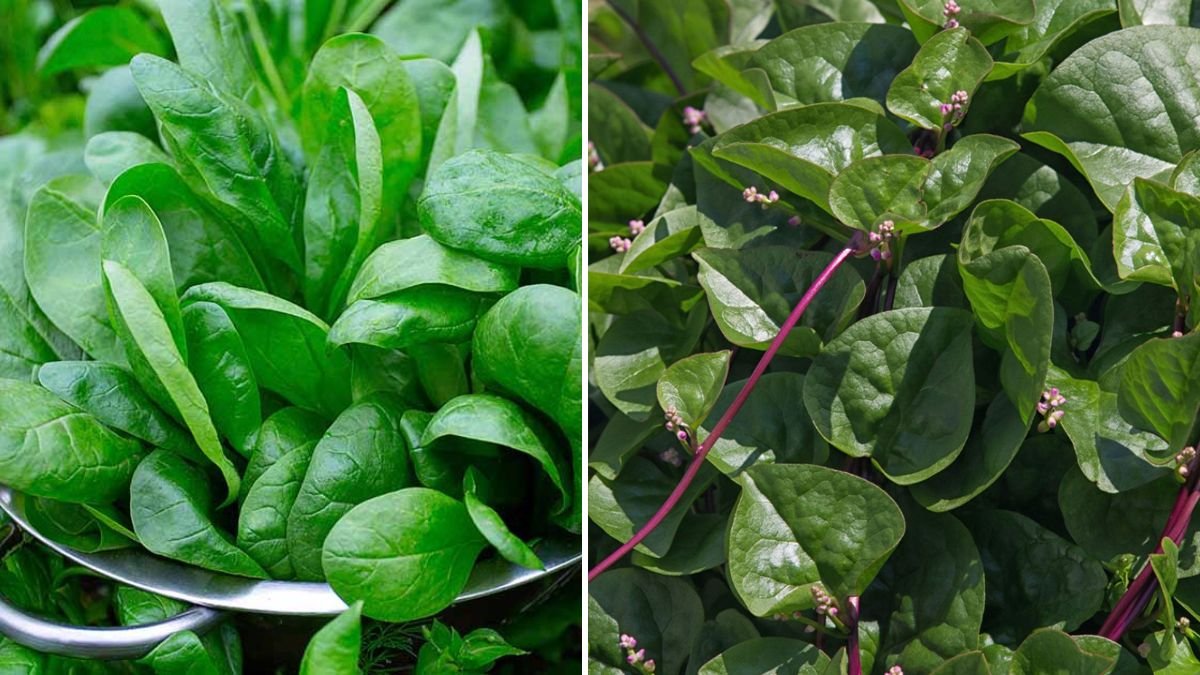
Red spinach, or Amaranthus tricolor, is an increasingly popular leafy green known for its striking color and nutritional benefits. While not as commonly recognized as its green counterpart, this vibrant plant is packed with vitamins and minerals. Cultivating red spinach at home is not only rewarding but can also enhance your culinary endeavors. This guide will delve into everything you need to know about growing red spinach leaves, from selecting the right seeds to harvesting, with simple techniques that anyone can implement.
Understanding Red Spinach
Nutritional Benefits
Red spinach is rich in essential nutrients, including:
- Vitamins: It contains high levels of Vitamin A, Vitamin C, and several B vitamins.
- Minerals: High in iron, calcium, magnesium, and potassium.
- Antioxidants: Contains compounds that may help combat free radicals in the body.
Adding red spinach to your diet can enhance your health, making it a worthy addition to your home garden.
Ideal Growing Conditions
Climate
Red spinach thrives in warm, tropical, and subtropical climates. It prefers temperatures between 25°C and 35°C (77°F to 95°F). This plant can tolerate short periods of cool weather but is best grown in warm conditions.
Soil

Well-draining, loamy soil enriched with organic matter is ideal for red spinach. The pH level should be between 6.0 and 7.0. Conduct a soil test if you’re unsure about your soil’s composition.
Sunlight
Select a location that receives full sunlight for at least 5-6 hours daily. Bright, direct light will encourage healthy growth and vibrant color.
Watering
Regular watering is crucial, especially in the initial stages. Keep the soil consistently moist but not soggy. Overwatering can lead to root rot, while underwatering may lead to stunted growth.
Planting Red Spinach
Choosing Seeds
Select high-quality seeds from a reputable supplier. Look for varieties specifically bred for color and flavor. Reliable types include:
- ‘Red Leaf’: Known for its vibrant red leaves.
- ‘Rainbow’: A mix that exhibits various shades of green and red.
Germination
- Soak Seeds: Soak the seeds in water for 24 hours to improve germination rates.
- Prepare Seed Trays: Fill seed trays or pots with a seed-starting mix.
- Plant Seeds: Plant seeds 1/4 inch deep, with 12 inches between seeds to allow for ample growth.
- Water Gently: Use a fine mist spray to avoid displacing the seeds.

Transplanting
Once seedlings reach 3-4 inches in height and have at least two true leaves, they can be transplanted.
- Choose a Location: As mentioned earlier, select a location with full sun and rich soil.
- Space Plants: Place them 12-18 inches apart in rows.
Caring for Red Spinach
Fertilization
To ensure robust growth, supplement your plants with a balanced organic fertilizer every 4-6 weeks. Look for fertilizers high in nitrogen to promote leaf development.
Pest Management
Common pests include aphids and caterpillars. Use organic methods such as:
- Neem Oil: Spray neem oil in the early morning or late evening.
- Handpicking: Regularly inspect plants and remove pests by hand.

Disease Prevention
Red spinach can be susceptible to fungal diseases. To prevent this, ensure good air circulation between plants and avoid overcrowding.
- Rotate Crops: Practice crop rotation each season to maintain soil health.
- Plant Marigolds: Marigolds can help deter pests and attract beneficial insects.
Harvesting Red Spinach
Timing
Red spinach is usually ready for harvest 30 to 50 days after planting, depending on the variety. You can begin harvesting when the leaves are 4-6 inches long.
Methods
- Cutting Leaves: Use garden scissors to snip leaves from the base without uprooting the plant.
- Whole Plant: If you want to harvest the entire plant, pull it up carefully.
Post-Harvest Care
After harvesting, wash the leaves thoroughly in cold water to remove any dirt or pests. Store them in a refrigerator, wrapped in a damp paper towel to keep them fresh for up to a week.

Culinary Uses
Red spinach can be enjoyed in numerous ways. Here are a few popular options:
- Salads: Add fresh, raw leaves for color and nutrition.
- Stir-Fries: Cook briefly to retain their bright color and crunchy texture.
- Soups: Use them in soups for added flavor and nutrition.
Storage Tips
Freshly harvested red spinach can be stored in the refrigerator for up to one week. For longer storage, consider blanching and freezing the leaves.
Frequently Asked Questions (FAQs)
1. Can I grow red spinach indoors?
Yes, red spinach can be grown indoors in containers as long as they receive sufficient sunlight (at least 5-6 hours of direct sunlight). Use a good quality potting mix and ensure proper drainage.
2. How often should I water red spinach?
Water red spinach regularly, ensuring that the soil stays consistently moist. It’s crucial not to let the soil dry out completely during the growing season.
3. What pests should I watch for?

Common pests include aphids, caterpillars, and beetles. Regular inspection and organic pest control methods can help manage these issues.
4. Can red spinach be grown year-round?
In tropical climates, red spinach can be grown year-round. In cooler regions, it’s best to grow it in spring and summer.
5. How do I know when red spinach is ready to harvest?
You can begin to harvest red spinach when the leaves are approximately 4-6 inches long. Opt for the outer leaves first to allow the inner leaves to continue growing.
6. Are there any diseases that affect red spinach?
Yes, red spinach can be susceptible to fungal diseases such as downy mildew and leaf spot. Ensure to provide good air circulation and practice crop rotation to minimize disease risk.
7. Is red spinach safe to eat raw?
Yes, red spinach is safe to consume raw. Its tender leaves make it a popular choice for salads. Ensure that you clean it thoroughly to remove any soil or pests.
Conclusion
Growing red spinach at home is a satisfying endeavor that offers numerous health benefits and culinary opportunities. By following the simple techniques outlined in this guide—from selecting the right seeds to harvesting—anyone can cultivate this vibrant leafy green in their garden or even indoors. With a little care and attention, you can enjoy fresh, nutritious red spinach leaves right from your own home. Happy gardening!