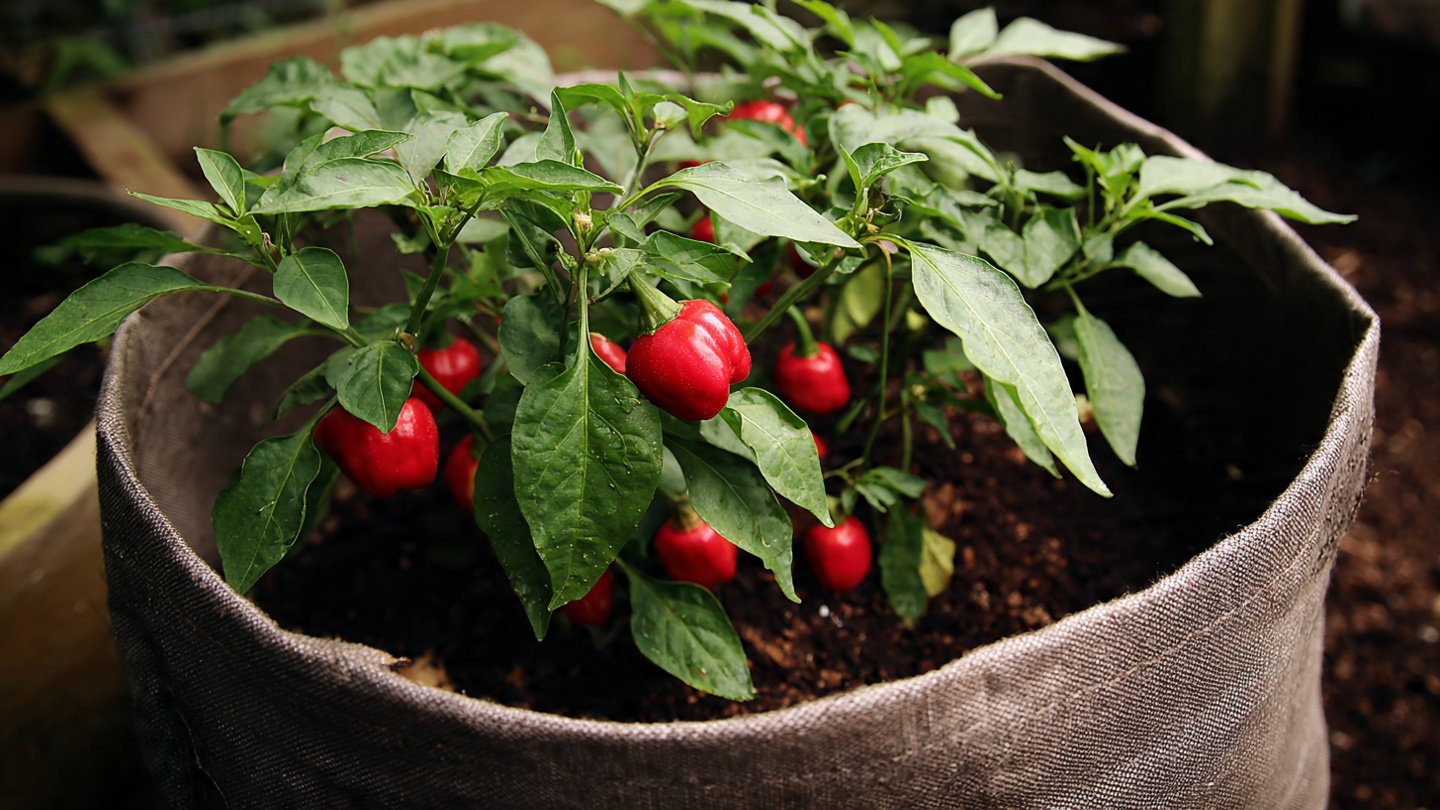
Growing chili peppers can be an exciting and rewarding venture for home gardeners. Whether you’re an experienced gardener or a novice, the good news is that chili peppers thrive in grow bags. This technique is not only space-efficient but also allows you more control over soil conditions. This guide will walk you through everything you need to know about successfully growing chili peppers in grow bags.
Choosing the Right Chili Pepper Varieties
Before you begin, it’s vital to select the right chili pepper varieties that suit your taste and climate. Here are some popular options:
- Jalapeño: Medium heat, versatile for cooking and grilling.
- Serrano: Slightly hotter than jalapeños, great for salsa.
- Cayenne: Thin, long peppers ideal for drying and powdering.
- Habanero: Extremely hot, perfect for spicy dishes.
- Poblano: Mild flavor, perfect for stuffing.
Climate Considerations
Chili peppers thrive in warm conditions. They prefer temperatures between 70°F and 85°F (20°C to 30°C). If you live in a cooler climate, consider starting your seeds indoors and transplanting them outdoors once the risk of frost has passed.
Selecting the Right Grow Bags
When it comes to growing chili peppers in grow bags, the choice of bag matters. Here are some factors to consider:
- Size: Choose bags that are at least 5 gallons for optimal growth. Larger peppers will need more space.
- Material: Fabric grow bags are excellent for drainage and aeration, while plastic bags retain moisture better.
- Handles: Convenient for moving the bags around as your plants grow.
Soil Preparation
- Soil Type: Use a well-draining potting mix that includes organic matter like compost or well-rotted manure.
- pH Level: Chili peppers prefer a pH between 6.0 and 6.8. Kits are available to test soil pH, and you can amend it using lime (to raise pH) or sulfur (to lower pH).
- Nutrients: Mix in slow-release fertilizer based on the specific needs of chili peppers. A balanced NPK fertilizer (10-10-10) works well.
Filling the Grow Bag
- Fill the grow bag about three-quarters full with your soil mix.
- Level the soil to ensure an even surface for planting.
Planting Chili Peppers
Starting from Seed
- Indoor Sowing: Start seeds indoors 8 to 10 weeks before the last expected frost date. Use seed trays or small pots with a seed-starting mix.
- Germination: Keep the soil moist and place the trays in a warm location (70°F to 80°F).
- Transplanting: Once seedlings have 2-4 leaves and are about 3-4 inches tall, transplant them to the grow bags.
Buying Seedlings
If you prefer a quicker start, you can purchase seedlings from a nursery. Choose plants that are healthy, with bright leaves and no signs of pests.
Planting in Grow Bags
- Make a hole in the soil deep enough for the root ball of the seedlings.
- Place the seedling in the hole and gently cover the roots with soil. Pat down lightly to remove air pockets.
Caring for Your Chili Pepper Plants
Caring for chili peppers involves watering, fertilizing, pest control, and more.
Watering
- Frequency: Water thoroughly but infrequently. A general rule is to water when the top inch of soil feels dry.
- Drainage: Make sure your grow bags have sufficient drainage holes to prevent root rot.
Fertilizing
- Initial Feed: After transplanting, wait about three weeks before applying fertilizer.
- Ongoing Care: Use a balanced fertilizer every 4-6 weeks during the growth season. Stop fertilizing once the peppers start to ripen.
Sunlight
Chili peppers love sunlight. Ensure your plants receive at least 6-8 hours of direct sunlight daily. If you’re growing them indoors, consider using grow lights to supplement natural light.
Pruning
While chili peppers can grow bushy, limited pruning can help improve air circulation and encourage more fruit production:
- Remove any weak or yellowing leaves.
- Pinch back the tips of the main stem once your plants are about 12 inches tall to encourage bushier growth.
Monitoring for Pests and Diseases
Chili peppers can be susceptible to various pests and diseases. Common culprits include:
- Aphids: Small green or black insects that suck the sap from plants. Spray with insecticidal soap to get rid of them.
- Spider Mites: Tiny pests that cause stippling on leaves. Increase humidity and use miticides if necessary.
- Fungal Diseases: Ensure you have good airflow around your plants and avoid overhead watering to minimize the risk.
Harvesting Chili Peppers
The exciting part of growing chili peppers is harvesting them.
- Timing: Harvest when peppers are fully colored. For example, jalapeños are typically picked when they are dark green, but can also be left to ripen to red for a sweeter taste.
- Method: Use scissors or pruning shears to cut the peppers off, ensuring you don’t damage the plant.
- Storage: Fresh peppers can be stored in the refrigerator for 1-2 weeks, or they can be dried or frozen for long-term use.
FAQs
1. Can I grow chili peppers indoors?
Yes, you can grow chili peppers indoors as long as you provide sufficient light (at least 6-8 hours of sunlight or through grow lights) and maintain a warm temperature.
2. How often should I water chili peppers in grow bags?
Watering depends on your climate, but generally, watering when the top inch of soil feels dry works well. Ensure your grow bags have good drainage.
3. Do chili peppers need a lot of fertilizer?
Chili peppers benefit from balanced, slow-release fertilizer every 4-6 weeks during the growth season, but over-fertilizing can harm the plant.
4. Can I reuse soil from previous seasons for growing chili peppers?
While you can reuse soil, it’s best to amend it with fresh compost or fertilizer to replenish nutrients. Ensure there are no diseases or pests in the old soil.
5. How can I tell if my chili peppers are ripe?
Chili peppers change color when ripe. For example, jalapeños will start dark green and turn red. Look for full, rich colors based on the variety you’re growing.
6. What tips do you have for dealing with pests on chili pepper plants?
Keep the growing area clean, check plants regularly, use insecticidal soap for small infestations, and encourage beneficial insects like ladybugs that act as natural pest control.
7. Can I grow different pepper varieties together in one grow bag?
It’s generally better to grow one variety per grow bag to avoid differences in watering and nutrient needs, but if you have space, you can try planting companion varieties that have similar care requirements.
By following these steps, you’ll be well on your way to growing vibrant, healthy chili peppers in grow bags at home. Enjoy the process and the delicious, spicy rewards!