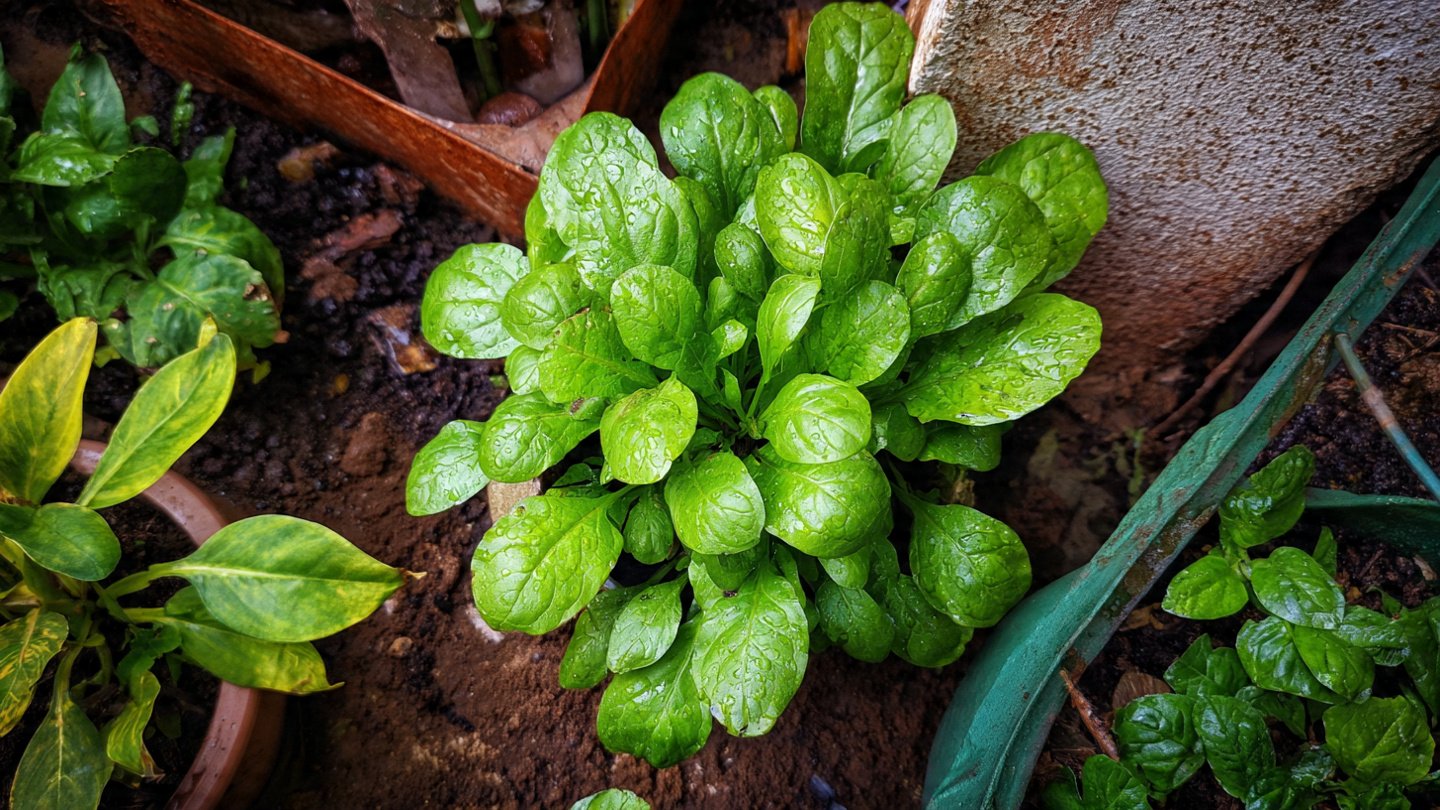
Growing your own vegetables is rewarding, both for your physical health and your pocketbook. Among the array of greens you can cultivate, Desi Palak (Spinach) stands out for its rich flavor and nutritional value. This ultimate guide provides you with everything you need to know about growing Desi Palak at home, from selecting the right varieties to harvesting and cooking these vibrant greens.
Understanding Desi Palak
Desi Palak, often known as Indian Spinach, is distinguished by its tender leaves and earthy flavor. Packed with vitamins A, C, and K, along with iron and calcium, this leafy green is not only a staple in many Indian cuisines but also a powerhouse of nutrition.
Common Varieties of Palak
-
Giant Noble Spinach: This is a well-known variety that produces large, dark leaves.
-
All Green Spinach: Known for its vibrant green color and smooth texture, it is popular for salads and smoothies.
-
Red Veined Sorrel: While not a traditional palak, its tart flavor and stunning appearance make it a beautiful addition to any garden.
Preparing the Soil
Soil Type
Desi Palak thrives in well-drained, loamy soil rich in organic matter. A pH between 6.0 and 7.0 is ideal.
Soil Preparation
-
Testing pH: Use a simple pH testing kit to determine your soil’s acidity or alkalinity. Adjust accordingly by adding lime to raise pH or sulfur to lower it.
-
Adding Organic Matter: Incorporate compost or well-rotted manure into the soil to improve nutrient content and drainage. Aim for a depth of at least 12 inches.
-
Tilling: Turn the soil to mix in the organic matter thoroughly.
Planting Desi Palak
Timing
Desi Palak is a cool-weather crop. Ideal planting times are:
- Spring: 4-6 weeks before the last frost.
- Fall: 6-8 weeks before the first frost.
Seed Selection
Purchase high-quality seeds from a reputable nursery. Look for varieties that adapt well to your local climate.
Planting Techniques
-
Spacing: Sow seeds ½ inch deep, spacing them about 2-4 inches apart in rows 12-14 inches apart.
-
Direct Sowing: Directly sow seeds into the prepared soil. Water the area gently after planting.
-
Thinning: Once seedlings are about 2 inches tall, thin them out to allow for proper air circulation and growth.
Caring for Your Desi Palak
Watering
Palak requires consistent moisture, particularly during its growing phase.

- Frequency: Water about 1 inch per week, adjusting for rainfall.
- Method: Use a soaker hose or drip irrigation to target the roots without wetting the leaves, which can encourage fungal diseases.
Fertilization
To maintain a steady growth rate, fertilize your palak:
- Type: Use an organic fertilizer or a balanced fertilizer rich in nitrogen.
- Schedule: Fertilize every 4-6 weeks during the growing season.
Pest and Disease Management
Pests can be a concern for Desi Palak. Keep an eye out for:
- Aphids: Use insecticidal soap or neem oil to control them.
- Leaf miners: Remove affected leaves and use row covers to prevent infestation.
Fungal diseases can be minimized by ensuring good air circulation and avoiding overhead watering.
Weed Control
Weeds can compete with your palak for nutrients and water. Regularly check for weeds, especially during the early growth stages. Mulching with straw or wood chips can help control weeds while retaining soil moisture.
Harvesting Desi Palak
Timing your Harvest
Desi Palak is typically ready for harvest in about 4-6 weeks after sowing. When the leaves are young and tender, they tend to have the best flavor.
How to Harvest
-
Cutting Leaves: Use garden scissors to cut leaves from the outer part of the plant, allowing the inner leaves to continue growing.
-
Avoiding Petioles: Make cuts close to the base of the leaves, avoiding damage to the petiole (stem).
-
Staggered Harvest: Harvest regularly to encourage further growth, ensuring a continuous supply of fresh greens.
Cooking and Storing Desi Palak
Cooking Methods
Desi Palak is versatile and can be enjoyed in various dishes:
-
Saag: A popular North Indian dish where palak is cooked with spices, tomatoes, and sometimes cream.
-
Smoothies: Blend raw palak with fruits and yogurt for a nutritious drink.
-
Soups: Add chopped palak to soups for enhanced nutrition and taste.
Storing Fresh Palak
Freshly harvested palak can be stored in the refrigerator:
- Method: Wrap in a damp paper towel and place in a perforated plastic bag.
- Duration: Consume within 4-5 days for best quality.
Freezing for Later Use
If you have a larger harvest, consider freezing:
-
Blanching: Blanch the leaves in boiling water for 2 minutes.
-
Cooling: Immediately plunge them into icy water to stop the cooking process.
-
Storing: Drain well, then pack in airtight containers or freezer bags.
Tips for Growing Successful Desi Palak
-
Companion Planting: Consider planting palak alongside onions, garlic, or carrots to deter pests and improve flavor.
-
Rotate Crops: To improve soil health and reduce disease risk, practice crop rotation by not planting palak in the same spot each season.
-
Use Row Covers: Floating row covers can provide protective covering against insects and extreme weather conditions during early growth.
-
Monitor Temperature: While palak prefers cooler weather, ensure that temperatures remain above 20°F to prevent bolting (premature flowering).
FAQs
1. How often should I water Desi Palak?
Water Palak about once a week, ensuring the soil remains consistently moist without becoming waterlogged.

2. Can I grow Desi Palak in containers?
Yes, Desi Palak can be grown in containers. Ensure your container is at least 12 inches deep and has drainage holes.
3. How do I know when to harvest my palak?
Harvest when the leaves are tender and green. The plant will produce new foliage if you cut leaves from the outer parts.
4. What should I do if my palak bolts?
If your palak starts to bolt (flower), it indicates stress from heat. Remove flower stalks and harvest any edible leaves as quickly as possible.
5. Can I grow Desi Palak indoors?
Yes, with adequate light (around 6-8 hours per day), Desi Palak can be grown indoors, particularly in cooler climates.
6. How long does Desi Palak take to grow?
Desi Palak typically takes about 4-6 weeks from sowing to harvest.
7. Are there any common diseases affecting Desi Palak?
Yes, look out for fungal diseases like downy mildew and powdery mildew. Proper airflow and watering at the base can help mitigate these issues.
8. Is Desi Palak prone to pests?
Yes, common pests include aphids and leaf miners. Regular inspections and natural pest management strategies can help prevent infestations.
Growing Desi Palak at home is a gratifying endeavor that rewards you with fresh, nutrient-rich greens while adding flavors to your meals. With a little patience and care, you can enjoy this delightful leafy green straight from your garden. Happy gardening!