Introduction
Gardening enthusiasts and landscape designers alike are always on the lookout for plants that can add an element of tropical flair to their gardens. The Fan Palm, scientifically known as Washingtonia, is one such choice that stands out for its unique appearance and resilience. Originating from the warm climates of California and Mexico, this palm brings a hint of exoticism to outdoor spaces, making it the perfect candidate for your garden. This article will explore a simple step-by-step guide to cultivating Fan Palm outdoors, ensuring your garden remains lush and green throughout the year.
Why Select Fan Palm?
Before diving into the cultivation process, it’s important to understand why the Fan Palm could be a great addition to your outdoor space:
- Robustness: Fan Palms are known for their hardiness—able to thrive in varied climates, from dry deserts to humid regions.
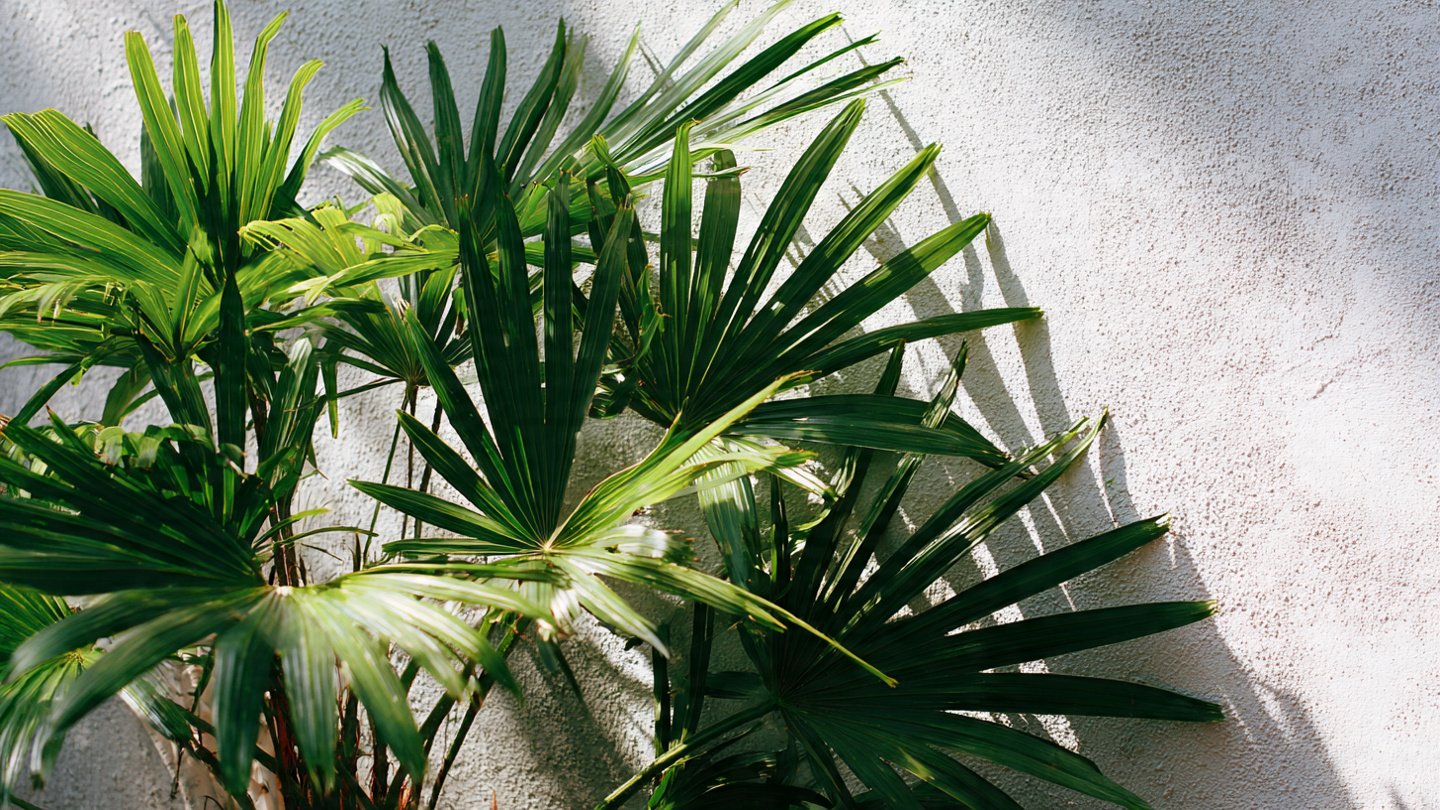
- Aesthetic Appeal: The distinctive fan-shaped leaves create a striking visual impact and can serve as a focal point in your garden.
- Low Maintenance: They are relatively easy to care for, making them ideal for both novice and experienced gardeners.
Step-by-Step Guide to Cultivating Fan Palm Outdoors
Step 1: Choosing the Right Location

To successfully cultivate Fan Palm, selecting an appropriate location is paramount. Here are some key considerations:
- Sunlight: Fan Palms thrive in full sun, but they can tolerate partial shade. Look for a spot that receives at least 6-8 hours of sunlight daily.
- Wind Protection: Given their tall stature, Fan Palms can withstand strong winds; however, providing some protection can help prevent damage to emerging fronds.
Step 2: Preparing the Soil
The soil quality is essential for the healthy growth of the Fan Palm. Here’s how to prepare it:
- Soil Type: Fan Palms prefer well-draining soil. Sandy or loamy soils are excellent choices, but if your soil is heavy clay, you can amend it with organic matter like compost.
- pH Level: Aim for a neutral pH of around 6.0 to 7.0. A simple home testing kit can help you assess your soil’s pH level.
Step 3: Planting the Fan Palm
Once you’ve identified the perfect spot and prepared the soil, it’s time to plant:

- Digging the Hole: Dig a hole that is twice the size of the palm’s root ball. This will give the roots ample space to spread out.
- Planting: Gently remove the palm from its container, being careful not to damage the roots. Place it in the center of the hole, ensuring that the top of the root ball is level with the ground surface.
- Backfilling: Fill the hole with soil, tamping it down gently to eliminate any air pockets.
Step 4: Watering Regimen
Watering is crucial for establishing the Fan Palm in its new environment. Here’s how to go about it:
- Initial Watering: After planting, give the palm a deep watering to help settle the soil around the roots.
- Establishment Period: For the first few months, water the palm frequently but don’t allow it to sit in stagnant water. A good rule of thumb is to water once or twice a week based on the weather conditions.
- Long-Term Care: Once established, Fan Palms are relatively drought-tolerant, but during prolonged dry spells, occasional watering can keep them looking healthy.
Step 5: Fertilization

To ensure robust growth, fertilization plays a key role:
- Type of Fertilizer: A slow-release, balanced fertilizer with equal parts nitrogen, phosphorus, and potassium (N-P-K) is ideal. Look for fertilizers specifically designed for palms.
- Frequency: Fertilize in early spring and midsummer. Always follow the manufacturer’s instructions on dosage to prevent over-fertilization.
Step 6: Pruning and Maintenance
Regular maintenance can enhance the longevity and appearance of your Fan Palm:
- Pruning Dead Fronds: Remove any brown or yellow fronds at the base to promote healthy growth. Use sharp, clean tools to make clean cuts.
- Weed Control: Keep the area around the palm free from weeds to reduce competition for nutrients and water.
Step 7: Protecting from Pests and Diseases
Although Fan Palms are resilient, they are susceptible to some pests and diseases. Here’s how to manage them:

- Common Pests: Watch for palm weevils, spider mites, and scale insects. If you notice infestations, treat them with neem oil or insecticidal soap.
- Diseases: Fungal infections can occur, especially in damp conditions. Ensure the palm has adequate air circulation and avoid overhead watering.
Additional Tips for Lush Greenery Year-Round
- Companion Planting: Consider planting colorful annuals or perennials at the base of the Fan Palm to create a vibrant landscape around it.
- Mulching: Applying a 2-3 inch layer of mulch can help retain moisture and control weeds. Use organic materials like shredded bark or wood chips.
- Winter Care: In regions that experience frost, consider covering the base of the palm with mulch during colder months.
Conclusion
Cultivating a Fan Palm outdoors can transform your gardening experience, adding an exotic touch while being relatively easy to maintain. By following the outlined steps—picking the right location, preparing the soil, and providing adequate water and care—you can enjoy lush greenery all year round. This palm not only beautifies your garden but also enriches your surroundings, creating a serene outdoor space to relax in.

FAQs
Q1: Can Fan Palms survive in colder climates?
A: Fan Palms are more tolerant of cold than many other palms, but they thrive best in USDA hardiness zones 8-10. If you live in a cooler area, consider planting them in a sheltered spot or providing winter protection.
Q2: How tall do Fan Palms grow?
A: Fan Palms can grow up to 60 feet tall, with a trunk diameter of about 1-3 feet at maturity. Their height can vary based on environmental conditions.
Q3: How often do I need to water my Fan Palm?
A: Watering frequency will depend on your climate. Initially, water weekly, but once established, they can withstand drought conditions. During extremely hot months, supplemental watering is advisable.
Q4: What pests should I be wary of?
A: Common pests include spider mites, scale insects, and palm weevils. Watch for any signs of distress in your palm, such as wilting or discoloration.
Q5: Is it necessary to fertilize my Fan Palm?
A: While Fan Palms can survive without fertilization, providing nutrients helps promote healthy growth and greenery. Use a balanced, slow-release fertilizer for optimal results.
By following this guide, you’ll be well on your way to successfully cultivating a beautiful Fan Palm in your garden, ensuring it remains healthy and visually striking all year round. Happy gardening!