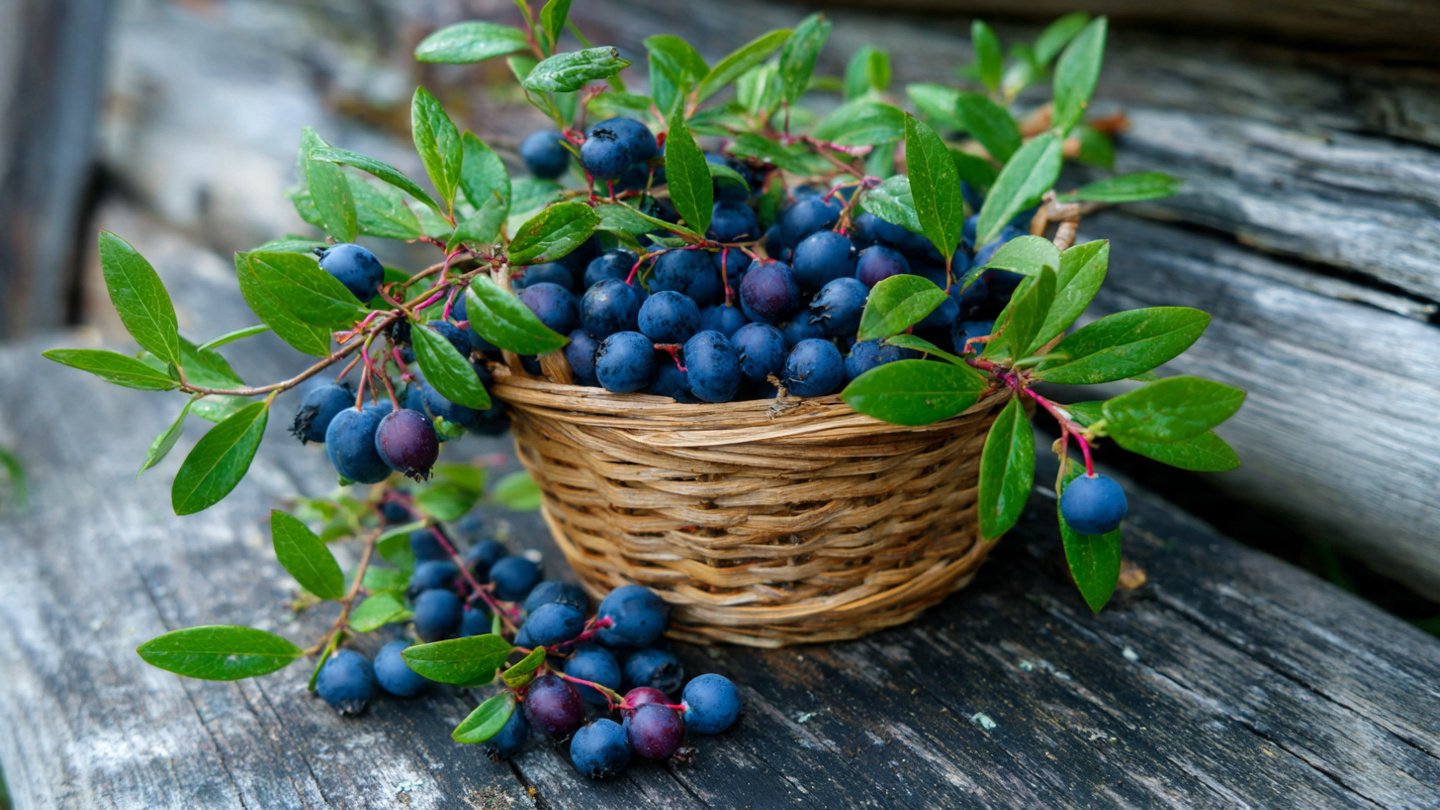
Blueberries are one of nature’s most delightful fruits. Not only are they delicious, but they are also packed with nutrients and antioxidants. If you’ve ever enjoyed the taste of wild blueberries, you might be interested in growing them at home. This guide will walk you through everything you need to know about cultivating wild blueberries, making it a manageable endeavor for beginners.
Understanding Wild Blueberries
Wild blueberries (Vaccinium angustifolium) differ from cultivated blueberries mainly in their size and flavor. Wild blueberries are smaller but typically have a more robust flavor and more nutritional benefits. They thrive in acidic soil and can adapt to various conditions, making them an appealing choice for home gardeners.
Benefits of Growing Wild Blueberries
-
Nutritional Value: Blueberries are rich in vitamins C and K, fiber, and antioxidants.
-
Low Maintenance: Wild blueberries require less care compared to conventional varieties.
-
Sustainability: Growing your own blueberries can reduce reliance on commercially farmed produce.
-
Flavor: Many people find the flavor of wild blueberries superior to cultivated varieties.
Selecting the Right Varieties
While there are many blueberry varieties, if you’re focusing on wild blueberries, look for local cultivars that grow well in your climate. Some popular wild blueberry varieties include:
- Northblue: A hardy plant that produces medium-sized fruit.
- Bluecrop: Known for high yield and disease resistance.
- Legacy: Produces sweet and flavorful berries with minimal care.

Preparing Your Garden
1. Choosing the Right Location
Wild blueberries require full sun, so select a location that receives at least 6-8 hours of direct sunlight each day. Look for areas with good air circulation to minimize the risk of fungal diseases.
2. Soil Preparation
Soil pH is crucial for blueberry health. Wild blueberries prefer acidic soil with a pH of 4.5 to 5.5.
-
Testing the Soil: Use a soil test kit to check the pH. You can buy these at garden centers or send samples to a lab.
-
Amending the Soil: If your soil is too alkaline, you can lower the pH by adding sulfur or peat moss. For well-drained, acidic soil, consider using a specialized blueberry mix.
3. Choosing and Preparing the Planting Site
Wild blueberries can be planted in rows or as individual bushes.
-
Spacing: Space the plants about 2 to 4 feet apart to allow adequate airflow and growth.

-
Mock Garden Bed: Consider a raised bed with proper drainage and the correct soil mix for optimal results.
Planting Your Blueberries
1. Timing
The best time to plant wild blueberries is in the spring after the last frost or in the fall before winter sets in. Ensure the soil temperature is above 60°F (15°C) during planting.
2. Planting Process
-
Digging Holes: Dig holes that are about twice as wide and equally as deep as the root ball of the plant.
-
Adding Organic Matter: Mix in organic matter like compost or aged manure to improve soil fertility and structure.
-
Placing the Plant: Remove any pots and gently loosen the roots before placing the plant in the hole. Cover the roots with soil, ensuring that the root crown is level with the surface.
-
Watering: Water the plants thoroughly after planting to remove any air pockets and help establish roots.
Caring for Your Wild Blueberries
1. Watering
Wild blueberries require consistent moisture, especially in the first year. Water deeply and regularly, aiming to keep the soil evenly moist but not waterlogged.

2. Mulching
Mulching helps retain moisture and suppress weeds. Use organic materials, such as pine needles or bark, to provide natural acidity.
3. Fertilizing
Use an acid-based fertilizer such as ammonium sulfate, applying it in early spring. Avoid over-fertilizing, as excessive nutrients can harm the plants.
4. Pruning
Prune your wild blueberry plants during the dormant season. In the first couple of years, focus on removing weak or crossed branches. As the plants mature, thin out older canes to promote new growth and fruiting.
5. Pest and Disease Management
Common pests include aphids and spider mites, while diseases like powdery mildew can occur in humid conditions. Regularly inspect your plants for signs of trouble and take action as needed:
- Use organic insecticides and fungicides as a preventative measure.
- Encourage beneficial insects like ladybugs that can help manage pests.
Harvesting Wild Blueberries
Harvesting time typically occurs in mid to late summer, depending on your climate and the specific variety.
-
How to Know When They’re Ready: Blueberries are ripe when they turn a deep blue color and are easily removed from the bush.
-
Harvesting Technique: Gently roll the berries off the clusters using your fingers. Avoid pulling on the fruit, as this can damage the plant.
-
Storage: Store fresh blueberries in the refrigerator for up to two weeks. You can also freeze them for longer storage.
Troubleshooting Common Issues
-
Poor Growth: If your blueberries aren’t growing well, check the soil pH and adjust if necessary. Ensure they’re receiving enough water and sunlight.
-
Lack of Fruit: This can result from improper pruning, lack of pollination, or nutrient deficiencies.
-
Leaf Discoloration: Yellowing leaves can indicate nutrient deficiencies, while brown edges may be due to insufficient watering.
FAQs
1. How long does it take for wild blueberries to produce fruit?
Typically, wild blueberries can take 2 to 3 years to start producing fruit, but the yield increases as the plants mature.
2. Can I grow wild blueberries in containers?
Yes! Wild blueberries can be grown in pots, provided they have well-draining, acidic soil. Use containers that are at least 12 inches deep and wide.

3. Do wild blueberries require pollinators?
While some blueberry varieties are self-pollinating, having multiple plants increases your yield. Bees and other pollinators are essential for the best fruit production.
4. How do I know if my soil is acidic enough for blueberries?
You can test your soil pH using a home testing kit. You’re aiming for a pH level between 4.5 and 5.5 for optimal blueberry growth.
5. Can I grow wild blueberries in partial shade?
While blueberries prefer full sun, they can tolerate partial shade. However, be aware that your yield may decrease in shadier conditions.
6. Are there any diseases specific to wild blueberries?
Wild blueberries can suffer from diseases like powdery mildew and botrytis blight. Maintaining good airflow through pruning and monitoring moisture can help prevent these issues.
Conclusion
Growing wild blueberries at home can be a rewarding and enjoyable experience. With proper planning, care, and a little patience, you can cultivate your own delicious fruit. Whether you enjoy them as fresh snacks, in desserts, or as additions to smoothies, home-grown wild blueberries are sure to please your taste buds. Get started today, and soon you’ll be enjoying the fruits of your labor!