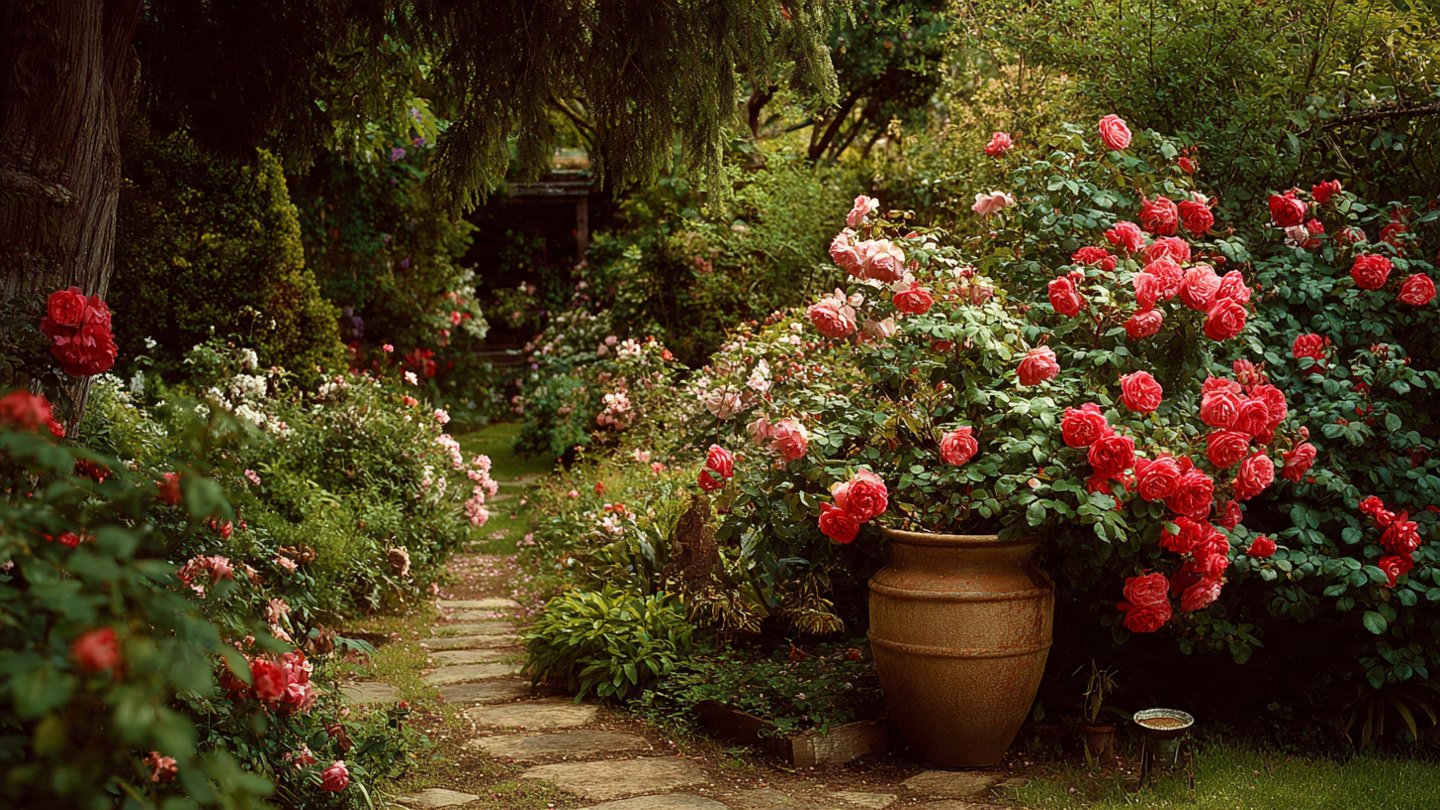
Growing English roses can be a rewarding and fulfilling endeavor, transforming your garden into a fragrant, colorful haven. Known for their beauty, rich fragrances, and extensive range of colors, English roses have captured the hearts of gardeners worldwide. They were popularized by David Austin Roses, and have become a staple in many gardens.
This comprehensive guide will explore simple yet effective techniques for successfully growing English roses in your backyard. From selecting the right variety to planting, caring for, and pruning these exquisite flowers, you will learn everything you need to ensure a thriving rose garden.
Choosing the Right Variety
Before diving into the cultivation process, it’s essential to choose the right variety of English roses for your garden. Here are some factors to consider:
1. Climate Compatibility
Different rose varieties thrive in different climates. English roses generally prefer moderate climates, but some varieties are more resilient. Research the typical conditions of your region, including temperature ranges, humidity, and rainfall, and select varieties that can flourish in those conditions.
2. Space and Size
Consider how much space you have available. Some English roses grow tall and bushy, while others are more compact. Plan for their mature size when selecting varieties to avoid overcrowding.
3. Flower Color and Fragrance
English roses come in a myriad of colors and scents. Decide what aesthetics you want for your garden, whether you prefer pastel shades or vibrant hues. Additionally, different varieties have varying fragrance levels—some are intensely aromatic, while others are subtle.
4. Disease Resistance
Certain cultivars are bred to be more resistant to diseases like powdery mildew and black spot. Choosing disease-resistant varieties can save you considerable time and effort in maintenance.
Preparing the Soil
English roses thrive in well-drained, nutrient-rich soil. Here’s how to prepare your soil for planting:

1. Testing the Soil
Conduct a soil test to determine pH levels and nutrient composition. English roses prefer soil with a pH between 6.0 and 6.8. Based on the results, amend the soil as necessary.
2. Soil Preparation
Loosen the soil to a depth of at least 18 inches, and incorporate organic matter like compost or well-rotted manure. This not only improves drainage but also enhances nutrient content.
3. Drainage
Ensure adequate drainage in your planting area. If your soil retains water, consider creating raised beds or planting in areas where rainwater doesn’t pool.
Planting the Roses
When and how you plant English roses can significantly affect their growth. Here’s a step-by-step guide to planting your roses:
1. Timing
The ideal time to plant English roses is in spring or fall when the weather is cool. This allows roses to establish roots before extreme temperatures set in.
2. Spacing
Plant your roses about 2 to 3 feet apart to ensure good air circulation. This spacing helps mitigate diseases and allows each plant room to grow.
3. Digging the Hole
Dig a hole that is twice as wide and as deep as the root ball of your rose. This encourages the roots to spread out instead of being cramped.
4. Preparing the Plant
Soak the roots of bare-root roses in water for a few hours before planting. If you are planting potted roses, gently loosen the roots if they appear bound.

5. Planting
Place the rose in the center of the hole. The graft union (where the rose variety is joined to the rootstock) should be even with the soil line. Fill the hole with soil, ensuring there are no air pockets, and water thoroughly.
Watering
Watering is a critical component of rose care. Here are essential watering tips:
1. Frequency
Newly planted roses require consistent moisture. Water them deeply once a week, ensuring the soil remains moist but not soggy. Once established, they may need watering about every 10 to 14 days, depending on rainfall.
2. Method
Use a soaker hose or drip irrigation system to avoid wetting the foliage, which can lead to fungal diseases. Water at the base of the plant early in the day to minimize evaporation.
3. Mulching
Add a layer of organic mulch (such as wood chips or straw) around the base of the plants. This helps retain moisture, suppress weeds, and gradually enrich the soil as it breaks down.
Fertilizing
English roses benefit from regular fertilization. Here’s how to do it effectively:
1. Choosing the Right Fertilizer
Use a balanced, slow-release fertilizer specifically formulated for roses. Look for one with equal parts nitrogen, phosphorus, and potassium (like a 10-10-10 ratio) and additional micronutrients.
2. Timing

Fertilize in early spring as new growth starts. Follow up with additional feedings every 4 to 6 weeks during the growing season. Always read the label for specific application instructions.
3. Organic Options
If you prefer organic methods, consider using compost tea or well-rotted manure. These options enrich the soil naturally while providing necessary nutrients.
Pruning
Pruning is crucial for maintaining the health and beauty of English roses. Here’s what to do:
1. When to Prune
The best time to prune is in late winter or early spring before new growth begins. This timing varies based on your local climate.
2. Tools
Use sharp, clean pruning shears to make clean cuts. Invest in good-quality tools, including loppers for thicker branches.
3. How to Prune
- Remove any dead, diseased, or damaged wood.
- Thin out crowded areas to improve air circulation.
- For bush varieties, cut back about one-third of the plant, focusing on shaping.
- For climbers, remove old wood and encourage new growth.
Pest and Disease Management
Staying vigilant against common pests and diseases is essential. Here’s how to manage issues effectively:

1. Identifying Common Pests
Common pests include aphids, spider mites, and Japanese beetles. Regularly inspecting leaves will help you catch problems early.
2. Organic Solutions
Use neem oil or insecticidal soap to manage pest populations naturally. Introduce beneficial insects like ladybugs to control aphids.
3. Disease Prevention
Maintain good air circulation, avoid overhead watering, and remove any fallen leaves from around the base of the plants to reduce the risk of fungal diseases.
Winter Protection
If you live in colder climates, protect your English roses during winter:
1. Mulching
Apply a thick layer of mulch around the base of the plants to insulate roots.
2. Covering
In extremely cold regions, consider wrapping the base of the plants with burlap or using rose cones to protect them from harsh elements.
3. Timing
Remove winter protection in early spring, once the risk of severe frost has passed.
FAQs
1. How often should I water my English roses?

Water them deeply about once a week, or more frequently during hot, dry spells.
2. When is the best time to fertilize my roses?
Fertilize in early spring as new growth starts, followed by additional applications every 4 to 6 weeks during the growing season.
3. How do I know if my roses have a disease?
Look for discolored leaves, black spots, or unusual growth patterns. Fungal infections often present as powdery surfaces or rust-colored lesions.
4. Are English roses hardy in cold climates?
Many English roses have good hardiness, but winter protection may be necessary in extremely cold areas.
5. Can I grow English roses in containers?
Yes, many varieties can thrive in containers. Ensure the pot is adequately sized and has drainage holes.
6. How can I prevent pests from damaging my roses?
Regularly inspect your plants, encourage beneficial insects, and use organic pest control measures when necessary.
7. How long do English roses bloom?
English roses typically bloom from late spring to fall, with many varieties producing multiple flushes of blossoms each season.
Conclusion
Growing English roses can be both an art and a science. With the proper techniques—selecting suitable varieties, preparing the soil, regular watering and fertilizing, proactive pest management, and attentive pruning—you can cultivate a beautiful and fragrant rose garden in your backyard. By following the guidance in this article, you’ll not only nurture stunning blooms but also create a serene refuge that brings joy and beauty to your home. Happy gardening!