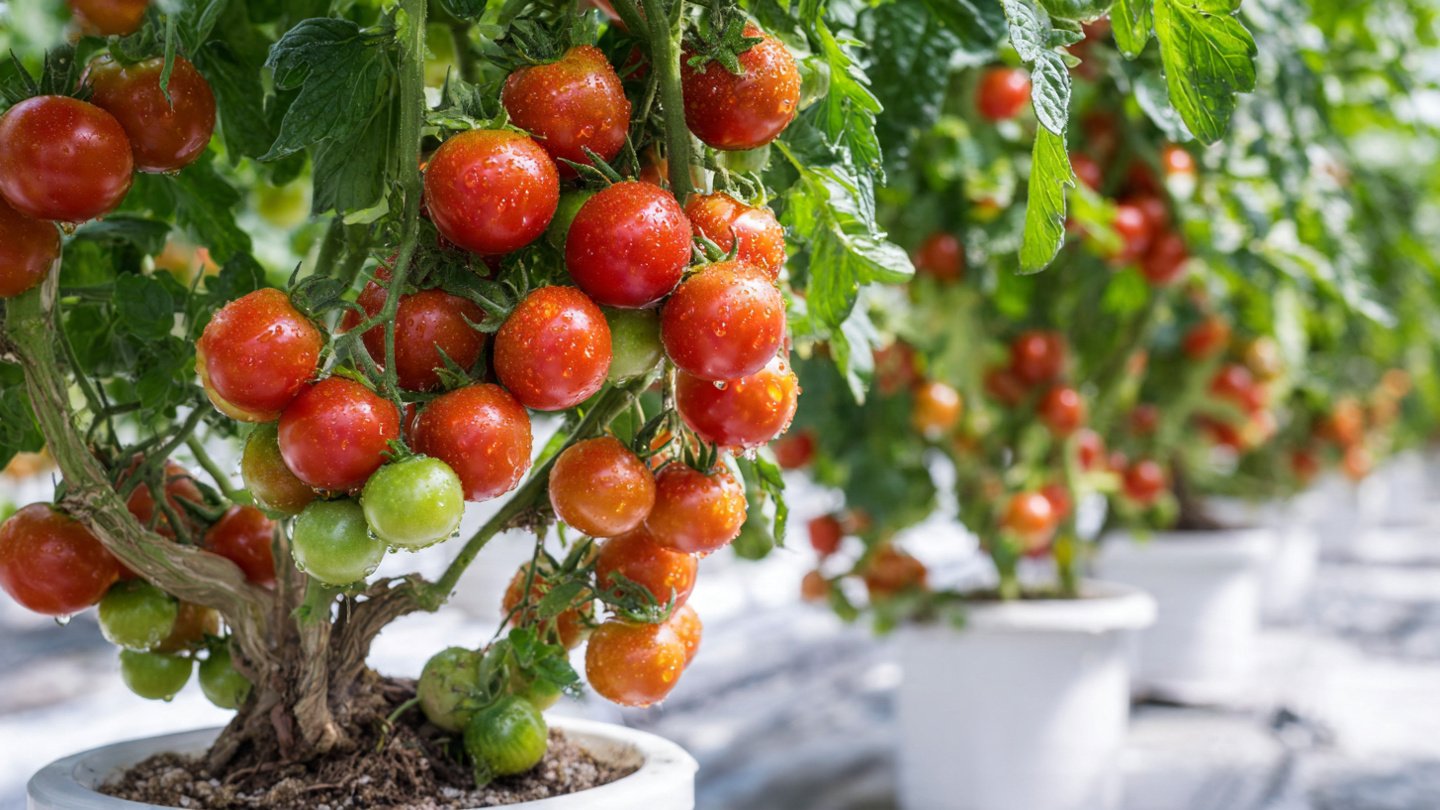
Growing tomatoes at home can be a rewarding experience, especially when you can skip the seed-starting process altogether. Innovative techniques that allow you to cultivate tomatoes without seeds offer both convenience and efficiency. In this article, we will explore methods such as clone propagation, hydroponics, and other sophisticated techniques to help you successfully grow tomatoes without seeds.
Understanding Tomato Varieties
Before diving into the various techniques, it’s essential to understand the different types of tomatoes. The two primary categories are:
-
Determinate Tomatoes: These varieties grow to a predetermined height and produce their fruit all at once. They’re ideal for container gardening and smaller spaces.
-
Indeterminate Tomatoes: These types continue to grow and produce fruit throughout the growing season. They require support structures as they can grow quite tall.
Selecting the right variety depends on your gardening space, preferences, and local climate conditions.
1. Clone Propagation
Cloning tomatoes is a straightforward and effective method to grow new plants without seeds. This technique involves taking cuttings from a healthy tomato plant and encouraging them to root.
Steps for Cloning Tomatoes:
-
Choose a Healthy Parent Plant: Select a vigorous, disease-free tomato plant for cloning. Look for one with plenty of healthy branches.
-
Take Cuttings: Cut a healthy stem around 4-6 inches long, making a cut just below a leaf node. This area is where roots will emerge.

-
Remove Lower Leaves: Trim away the leaves on the lower half of the cutting to prevent rot when placed in water or soil.
-
Rooting in Water: Place the cutting in a jar of water, ensuring that the leaf nodes are submerged. Change the water every few days to keep it fresh. Within 1-2 weeks, roots should begin to develop.
-
Transfer to Soil: Once the roots are a few inches long, transfer the cutting to a pot with well-draining soil. Water gently and place in a location with indirect sunlight.
-
Care for Your Clone: Water as needed and monitor for pests or disease. Fertilize with a balanced organic fertilizer after a few weeks to encourage growth.
2. Hydroponic Growing
Hydroponics is a soil-less method that can maximize yields and minimize space, making it a fantastic option for growing tomatoes without seeds.
Steps for Hydroponic Tomato Gardening:
-
Select a Hydroponic System: Common systems include Nutrient Film Technique (NFT), Deep Water Culture (DWC), and Ebb and Flow. Choose one based on your space and preference.
-
Prepare Nutrient Solution: Use a hydroponic nutrient solution designed for tomatoes. Follow the instructions for mixing the solution in water.
-
Planting: Instead of seeds, use tomato clones or seedlings. Place them into net pots filled with a growing medium like Rockwool or clay pellets.
-
Setup the System: Position the net pots in the hydroponic system according to the manufacturer’s instructions. Ensure that the roots are submerged or adequately receiving moisture.

-
Provide Light: Use grow lights if you’re growing indoors. Tomatoes require 12-16 hours of light daily for optimal growth.
-
Monitor and Maintain: Regularly check pH levels and nutrient concentrations. Adjust as necessary to keep your plants healthy.
3. Vertical Gardening
If space is limited, vertical gardening can increase your tomato yield while reducing the required space.
How to Set Up a Vertical Garden:
-
Choose a Structure: Use trellises, cages, or wall planters made for climbing plants. Create support systems that allow tomatoes to grow upward.
-
Select Tomato Types: Indeterminate varieties work best for vertical gardens as they can grow tall. Determinate varieties can also be trained but will need more attention.
-
Planting: Use clones or established seedlings. Space them appropriately to ensure adequate airflow, reducing the risk of diseases.
-
Train the Plants: As the plants grow, gently tie them to the support structure using soft ties. Frequent pruning will keep the plants manageable and promote better airflow.
4. Aquaponics
Aquaponics combines aquaculture (raising fish) and hydroponics. It creates a symbiotic environment in which fish waste provides nutrients for the plants.

Steps for Aquaponic Tomato Growing:
-
Set Up Your System: Build or purchase an aquaponics system that suits your space and budget.
-
Choose Fish and Plants: Experiment with fish that thrive in your climate and can coexist with tomatoes. Common types include tilapia, goldfish, or koi.
-
Cycle the System: Allow beneficial bacteria to establish themselves, which converts fish waste into plant nutrients.
-
Plant Preparation: Use tomato cuttings instead of seeds as your starter plants.
-
Monitor Conditions: Regularly check water quality (pH, ammonia, nitrites) and adjust as necessary. Maintain proper water levels and temperatures.
5. Self-Watering Containers
Self-watering containers can significantly simplify the care of your tomato plants, allowing you to focus on growth rather than frequent watering.
How to Use Self-Watering Containers:
-
Choose Your Container: Purchase or create a self-watering pot that has a water reservoir at the bottom.
-
Fill with Soil: Use a quality potting mix to fill the container, ensuring good drainage. Adding perlite can help with aeration.
-
Add Clones or Seedlings: Plant your tomato clones directly into the container, making sure roots have adequate contact with the soil.
-
Fill Water Reservoir: The container will allow moisture to wick up to the plant as needed, minimizing the risk of over or underwatering.
-
Monitor Growth: Check the soil moisture level periodically and refill the reservoir as needed.

6. Composting and Organic Practices
Regardless of the technique used, enriching your soil or growing medium with compost can provide essential nutrients, ensuring healthy tomato plants.
Best Composting Practices:
-
Collect Organic Material: Use kitchen scraps, yard waste, and shredded leaves. Avoid meats and dairy to keep your compost safe.
-
Maintain the Compost Pile: Turn the pile regularly to aerate it and promote decomposition. Keep it moist but not waterlogged.
-
Use Compost in Your Growing Medium: Mix compost into your soil or growing medium for a nutrient-rich environment.
FAQs
Q1: Can I grow tomatoes from store-bought tomatoes?
Yes, you can grow tomatoes from store-bought tomatoes by saving seeds or using the cuttings method. However, store-bought tomatoes may not produce identical plants.

Q2: How long does it take for tomato clones to bear fruit?
Typically, tomato clones take about 6-8 weeks to establish and begin producing fruit depending on the variety and growing conditions.
Q3: What is the best time of year to start growing tomatoes?
The best time to start growing tomatoes is in the spring after the last frost and when soil temperatures are consistently above 60°F (15°C).
Q4: How much sunlight do tomato plants need?
Tomatoes thrive in full sun, requiring at least 6-8 hours of sunlight daily. If growing indoors, use grow lights to supplement natural light.
Q5: Can I use regular tap water for hydroponics?
While tap water can be used, it’s best to use filtered or distilled water to avoid chemicals like chlorine that could harm the plants.
Q6: How can I tell if my tomatoes are ready to harvest?
Tomatoes are usually ready to harvest when they develop a full, rich color and slightly yield to gentle pressure.
Conclusion
Growing tomatoes without seeds is a viable and innovative option for home gardeners, offering multiple techniques to ensure success. Whether you choose cloning, hydroponics, or vertical gardening, each method provides a unique approach to growing this beloved fruit. With the right practices, nurturing your tomato plants can be simplified, allowing you to enjoy fresh, home-grown tomatoes right from your garden. Happy gardening!