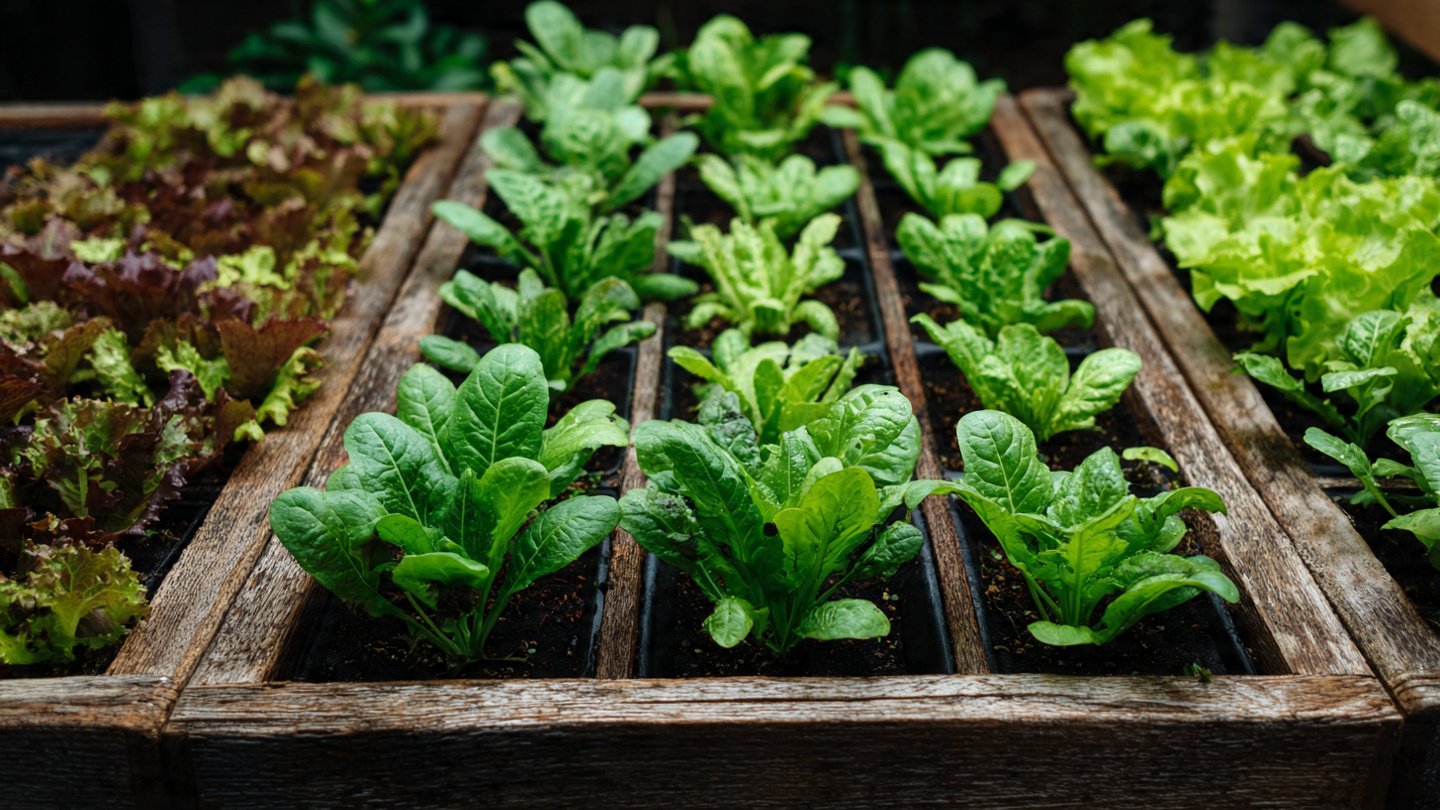
Growing your own salad greens can be a rewarding and fulfilling experience, especially when you see your little plants thriving and producing nutritious leaves. With the right techniques, you can speed up the growth of salad greens significantly. This guide will walk you through several simple hacks and tips to achieve lush, fast-growing salad greens, whether you’re a beginner or a seasoned gardener.
Why Grow Salad Greens?
Salad greens, such as lettuce, spinach, and arugula, are some of the easiest vegetables to grow. Aside from being simple, they are:
- Nutritious: Packed with vitamins and minerals, making them an excellent addition to your diet.
- Quick to Harvest: Many salad greens can be harvested within weeks of planting, providing quick satisfaction.
- Flexible: They can be grown in soil, hydroponics, or even containers, making them suitable for almost any space.
Choosing the Right Greens
Popular Salad Greens to Grow
- Lettuce: Varieties include romaine, butterhead, and loose-leaf.
- Spinach: Fast-growing and full of iron.
- Arugula: Has a peppery flavor and grows quickly.
- Kale: A hearty green packed with nutrients.
- Mustard Greens: Offers a spicy kick and grows rapidly.
Selecting Varieties for Quick Growth
When choosing salad greens, look for fast-growing varieties. For example, “Butterhead” and “Salad Bowl” are known for their quick harvest times. Additionally, consider your local climate and the optimal planting times.

Simple Hacks for Accelerated Growth
1. Soil Preparation
The foundation of great salad greens starts with quality soil.
Hack: Improve Soil Quality
- Use a mix of compost and potting soil to boost nutrient content.
- Ensure good drainage so that roots don’t sit in water, which can lead to rot.
2. Optimal Planting Time
Timing your planting can make a significant difference.
Hack: Use Season Extenders
- Use row covers to protect young plants from late frosts.
- In warmer areas, consider planting in early spring or fall for optimal growth.
3. Seed Starting Indoors
Starting your seeds indoors can significantly reduce the time to harvest.
Hack: Use Seed Trays
- Seed trays allow you to monitor seedlings closely and provide them with a warm, controlled environment.
- Transplant seedlings outdoors when they are strong enough to withstand the elements.

4. Watering Wisely
Water is critical, but overwatering can be detrimental.
Hack: Implement a Consistent Watering Schedule
- Water your greens in the morning to allow moisture to evaporate throughout the day.
- Use drip irrigation to target water directly to the roots, preventing fungal diseases.
5. Fertilization Techniques
Providing the right nutrients will boost growth.
Hack: Use Organic Fertilizers
- A diluted liquid fish emulsion or compost tea can provide essential nutrients without the risk of burning young plants.
- Consider adding a slow-release granular fertilizer at the planting stage.
6. Pest Management
Pests can slow growth and damage your plants.
Hack: Preventative Measures
- Use floating row covers to keep pests away from young plants.
- Introduce beneficial insects like ladybugs and lacewings to help manage aphid populations.

7. Companion Planting
Some plants grow better together by repelling pests or providing nutrients.
Hack: Plant Companions
- Pair salad greens with herbs like basil or nasturtiums to deter pests and encourage growth.
- Use marigolds in pathways or near your salad greens to keep insects at bay.
8. Proper Spacing
Crowding can inhibit growth, leading to smaller, less nutritious greens.
Hack: Follow Spacing Recommendations
- Read seed packets for recommended spacing.
- Thin seedlings early to prevent competition for nutrients and sunlight.
9. Light Requirements
Salad greens need good light for optimum growth.
Hack: Ensure Adequate Lighting
- If growing indoors or in partial shade, consider using grow lights.
- Ensure that outdoor plants receive at least 6 hours of sunlight per day.

10. Harvesting Techniques
Knowing when and how to harvest can prolong your salad greens’ productivity.
Hack: Use the Cut-and-Come-Again Method
- Harvest leaves from the outer part of the plant, allowing inner leaves to continue growing.
- This technique keeps plants producing over an extended period.
Troubleshooting Common Issues
Yellowing Leaves
Often a sign of nutrient deficiency or overwatering. Check your watering schedule and consider adding fertilizer.
Stunted Growth
Could be caused by insufficient light or poor soil quality. Ensure your plants are receiving enough sunlight and nutrients.
Pests
Regularly inspect for common pests like aphids and caterpillars and take action early to mitigate damage.
Conclusion
Growing salad greens can be an effortless yet rewarding pastime. By implementing these simple hacks and techniques, you can enjoy fast growth and hearty plants. With a little patience and care, your home garden can yield fresh, nutritious salads in no time.

FAQs
1. How long does it take for salad greens to grow?
Most salad greens can be ready to harvest in 30 to 60 days, depending on the variety and conditions.
2. Can I grow salad greens in containers?
Yes! Salad greens thrive in containers, provided they have adequate drainage and sunlight.
3. What is the best temperature for growing salad greens?
Ideally, salad greens grow best in cooler temperatures around 60°F to 70°F (15°C to 21°C).
4. How often should I water my salad greens?
Water your greens consistently, keeping the soil moist but not waterlogged. Check daily and adjust based on weather conditions.
5. Can I grow salad greens indoors?
Absolutely! Use seed trays or pots with a good grow light if you don’t have access to outdoor space.
6. Should I fertilize my salad greens?
Yes, especially if grown in containers or depleted soil. Organic fertilizers work best.
7. How can I make my salad greens taste better?
Try adding herbs or using organic fertilizers to enhance flavor. Fresh harvesting also improves taste.
8. What pests should I watch out for?
Common pests include aphids, slugs, and caterpillars. Regular inspections help keep them at bay.
By harnessing the tips and hacks outlined in this guide, you’ll be well on your way to cultivating your own fast-growing salad greens. Happy gardening!