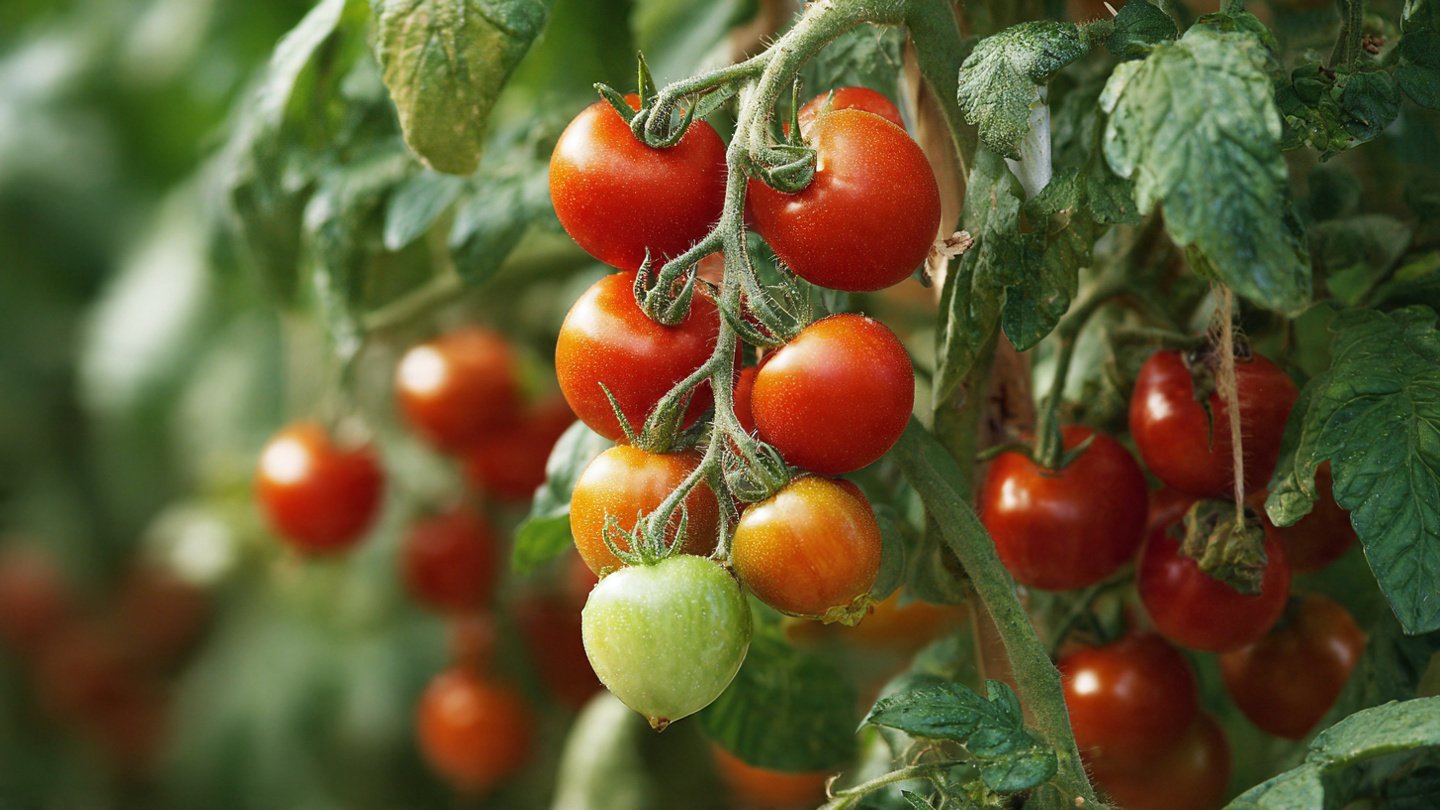
Growing tomatoes in summer can be an enjoyable and rewarding experience, especially if you follow a few simple guidelines that require minimal effort. This guide will walk you through the essentials of tomato cultivation, from selecting the right variety to harvesting your fruit, all while keeping your workload light. Whether you’re a beginner or an experienced gardener looking for a low-maintenance solution, these tips will help you grow delicious tomatoes this summer.
1. Selecting the Right Variety
When it comes to growing tomatoes, choosing the right variety is key. Different types of tomatoes thrive in various conditions and have unique characteristics. Here are some popular options that are relatively easy to grow:
Determinate vs. Indeterminate
-
Determinate Tomatoes:
These types of tomatoes grow to a certain height and produce most of their fruit at once. They’re great for container gardening and require less support. Popular varieties include ‘Roma’ and ‘Bush Early Girl’. -
Indeterminate Tomatoes:
These continue to grow and produce fruit throughout the season. They often require staking or cages for support as they can reach considerable heights. Varieties like ‘Cherry’ and ‘Beefsteak’ are common.
Local Adaptation
Consider varieties that are specifically bred for your climate. If you’re in a hot region, look for heat-tolerant ones like ‘Solar Fire’ or ‘Heatwave II’. In cooler areas, ‘Tiny Tim’ or ‘Siberian’ might be better choices.
2. Soil Preparation
Tomatoes thrive in well-draining, nutrient-rich soil. Here’s how to prepare your garden bed or containers with minimal effort:
Soil Testing
Start with a soil test to identify pH levels and nutrient needs. Most tomatoes prefer slightly acidic to neutral pH (6.0–7.0). You can usually find testing kits at your local garden center.
Amendments

If your soil tests indicate deficiencies, add compost or a balanced fertilizer. A simple method is to mix in one part compost to three parts soil. This not only provides nutrients but also helps improve drainage.
Quick Setup
For container gardening, a high-quality potting mix is often sufficient. You can purchase pre-made organic mixes that are designed to provide the right balance of aeration and nutrients.
3. Planting Your Tomatoes
Timing is important when it comes to planting. Here are some easy tips for getting your tomatoes in the ground:
When to Plant
Wait until the threat of frost has passed and the soil is warm, typically late spring to early summer. Soil temperatures should ideally be between 70°F and 95°F (21°C to 35°C).
Planting Depth
Tomatoes are unique in that they can develop roots along their stem. When transplanting seedlings, bury them up to the first set of leaves, leaving only the top foliage exposed.
Spacing
Ensure adequate spacing (24–36 inches apart) to allow air circulation and reduce disease risk. In containers, a 5-gallon pot is generally sufficient for one plant.
4. Watering Techniques
Efficient watering is crucial but can be simplified with a few strategies:
Consistent Watering Schedule
Tomatoes need approximately 1–2 inches of water per week. Use a simple irrigation system, such as a soaker hose or drip irrigation, to minimize upkeep.

Deep Watering
Instead of frequent shallow watering, provide deep watering sessions less often. This encourages deeper root growth, making your plants more resilient to heat and drought.
Mulching
Applying a layer of organic mulch (straw, wood chips, or grass clippings) helps retain moisture, reduces weeds, and moderates soil temperature. It also breaks down over time, adding nutrients to the soil.
5. Sunlight and Temperature
Tomatoes bask in sunlight, so ensure they receive at least 6–8 hours of direct sunlight daily. If you’re in particularly hot regions, taller plants or shade cloths can help protect young plants during the hottest parts of the day.
Avoiding Heat Stress
If temperatures regularly exceed 90°F (32°C), consider temporary shading or making use of heat-tolerant varieties that can withstand the high temperatures.
6. Pest Management
Keeping your tomatoes healthy requires monitoring and addressing pests. Here are some natural, low-effort ways to manage them:
Companion Planting
Plant fragrant herbs such as basil, marigold, or nasturtium nearby. These can deter harmful insects while attracting beneficial ones.
Natural Sprays
In case of pest problems, use simple homemade sprays like a mixture of soap and water. It’s effective for treating aphids and other common pests.

Regular Inspection
Take a few minutes each week to check your plants for signs of pests or diseases. Early intervention can often prevent larger infestations.
7. Supporting Your Plants
While some tomato varieties are bushy and self-supporting, indeterminate varieties will need support as they grow:
Simple Support Options
Use simple methods like:
- Stakes: Drive a sturdy stake into the ground next to the plant and tie the stem loosely with twine.
- Cages: Tomato cages can offer support and are easy to set up.
- Strings: For a more space-efficient option, string can be used to support the plants vertically.
8. Fertilizing
A regular fertilizing routine can lead to healthy fruit production. Here’s a simplified approach:
Type of Fertilizer
Choose a balanced, slow-release fertilizer suited for tomatoes. Look for a 5-10-10 or similar formulation to encourage both foliage growth and fruit set.
Application Schedule
Apply the fertilizer at planting and then again mid-season. Follow package instructions for quantities.

9. Harvesting Your Tomatoes
Knowing when to harvest is crucial, which is often when tomatoes reach their full size and have begun to change color. Here are some tips:
Softness Test
Gently squeeze the fruit; ripe tomatoes will give a little but shouldn’t be overly soft.
Color Reference
For most varieties, a deep color (red, yellow, or orange, depending on the type) signifies ripeness. Harvest in the morning for the best flavor.
Store Properly
Store picked tomatoes stem-side up at room temperature for the best flavor and extended freshness. Avoid refrigerating, as it can alter taste and texture.
10. Sustainability Practices
If you’re focused on minimal effort, consider adopting some sustainable gardening practices:
Composting
Use kitchen scraps to create a simple compost pile. Over time, this provides nutrient-rich organic matter to improve soil health.
Rainwater Collection
Setting up a rain barrel reduces your need for municipal water and can simplify your irrigation efforts.
FAQs

Q1: How often should I water my tomato plants?
A1: Aim for 1–2 inches of water per week. Deep, less frequent watering encourages robust root systems.
Q2: Should I remove suckers from my tomato plants?
A2: It’s optional but can help if you desire bigger fruit. Remove suckers that develop in the leaf axils if your variety is indeterminate.
Q3: Why are my tomatoes not ripening?
A3: Several factors affect ripening, including temperature, sunlight, and watering. Ensure consistent watering and consider covering plants if nighttime temperatures drop too low.
Q4: How do I know when to harvest my tomatoes?
A4: Tomatoes are ready when they reach full color and feel slightly soft to the touch.
Q5: What pests are common on tomato plants?
A5: Common pests include aphids, spider mites, and tomato hornworms. Regular inspection and companion planting can help mitigate these issues.
Q6: Can I grow tomatoes in containers?
A6: Yes! Many tomato varieties do well in containers as long as they are large enough (generally a 5-gallon pot) and provide proper support.
Conclusion
Growing tomatoes in summer doesn’t have to be a taxing chore. By selecting the right varieties, using efficient watering techniques, and adopting low-maintenance practices, you can enjoy a bountiful harvest with minimal effort. With a little patience and care, you’ll find that cultivating these delicious fruits can be both satisfying and sustainable.