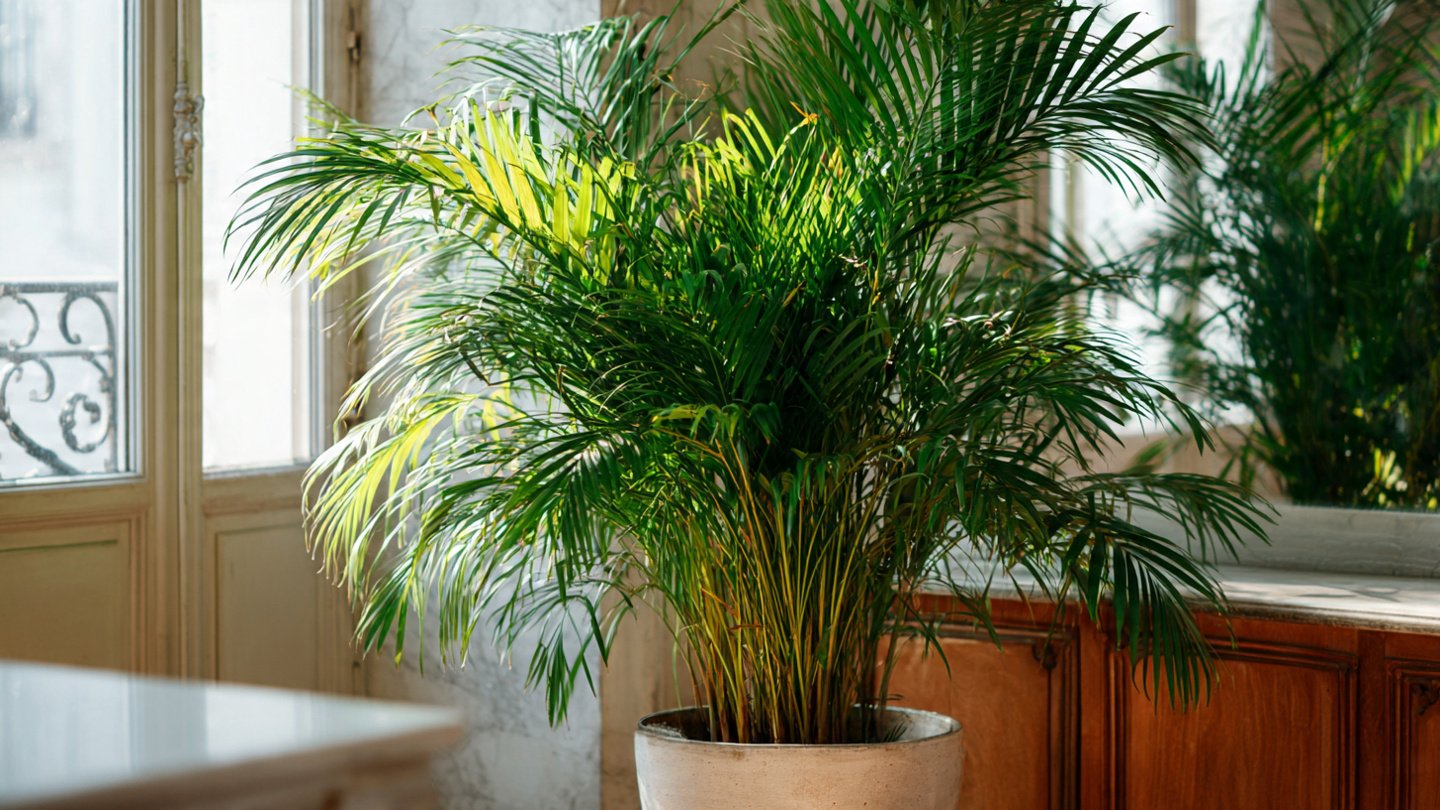
The Golden Cane Palm, scientifically known as Dypsis lutescens, is a beautiful tropical plant that has gained immense popularity in indoor decor. Known for its lush, feathery fronds and graceful appearance, this palm not only enhances the aesthetic of your space but also contributes to a healthier indoor environment by purifying the air. This comprehensive guide will provide you with everything you need to know about cultivating the Golden Cane Palm, from ideal conditions for growth to care tips and common problems.
Origins and Characteristics
The Golden Cane Palm is native to Madagascar, where it thrives in humid, warm conditions. It is characterized by its clustered stems that grow up to 10-12 feet tall, providing an elegant vertical landscape. The fronds of the plant are long, arching, and feathery, often reaching lengths of up to 5 feet. The leaves are bright green with a glossy sheen, contributing to its stunning visual appeal.
One of the most appealing aspects of the Golden Cane Palm is its ability to adapt to various indoor environments. Whether in homes, offices, or commercial spaces, this palm flourishes and adds a touch of the tropics to any setting.
Ideal Growing Conditions
To successfully cultivate the Golden Cane Palm indoors, several key factors must be considered:
1. Light
Golden Cane Palms prefer bright, indirect light. While they can tolerate low-light conditions, their growth may slow, and they may not exhibit their characteristic lushness. A spot near a window with filtered light is ideal. Avoid direct sunlight, as it can scorch the leaves.
2. Temperature
This palm loves warmth. Ideally, it should be kept in temperatures ranging from 65°F to 80°F (18°C to 27°C). It is essential to protect the plant from cold drafts and sudden temperature drops, as this can lead to stunted growth or leaf drop.
3. Humidity
High humidity levels are crucial for the Golden Cane Palm. As a tropical plant, it thrives in humidity levels between 50% and 70%. To boost humidity, consider using a humidifier, placing a pebble tray with water beneath the pot, or misting the leaves regularly.

4. Soil
The soil mix should be well-draining yet moisture-retentive. A potting mix that combines peat moss, pine bark, and perlite is ideal. This combination allows the roots to breathe while retaining adequate moisture.
5. Pot Size and Drainage
Choose a pot that allows for ample drainage and is slightly larger than the root ball of the plant to accommodate growth. Ensure your pot has drainage holes to prevent waterlogging, as this can lead to root rot.
Planting and Repotting
Planting
When planting the Golden Cane Palm, follow these steps for successful growth:
- Choose the Right Pot: A wider pot with good drainage is preferred for establishing healthy roots.
- Prepare the Soil: Fill the pot with your well-draining soil mix, ensuring about an inch of space at the top.
- Plant with Care: Crown the palm at soil level, ensuring the roots are spread out and not cramped. Firm the soil around the base.
- Water: After planting, water the palm thoroughly to eliminate air pockets around the roots.
Repotting
Repot the Golden Cane Palm every two to three years or when roots begin to outgrow the pot. Signs that it needs repotting include roots growing through drainage holes or a noticeable decrease in growth.

- Choose a Pot: Select a pot 1-2 inches wider than the current one.
- Gently Remove the Plant: Carefully take the plant out without damaging the roots.
- Add Fresh Soil: Place the plant in the new pot and fill it with fresh, well-draining soil.
- Water Well: After repotting, water thoroughly to help settle the soil.
Watering
Consistency is key when it comes to watering the Golden Cane Palm. The goal is to keep the soil evenly moist but not soggy.
Watering Schedule
- Summer: Water once a week; check soil dryness before each watering.
- Winter: Reduce watering to every 10-14 days, as the plant’s growth slows.
Signs of Overwatering vs. Underwatering
- Overwatering: Yellowing leaves, root rot, or mushy stems.
- Underwatering: Brown, crispy tips on the leaves and dry, parched soil.
Fertilizing
To encourage healthy growth and lush foliage, fertilization is essential, especially during the growing season (spring and summer).

Fertilizer Type
Use a balanced, water-soluble fertilizer or a slow-release fertilizer specifically formulated for palms. A 20-20-20 NPK formula is a suitable option.
Fertilization Frequency
- Fertilize every 4-6 weeks during the growing season.
- Reduce feeding in fall and winter when growth slows.
Pruning
Pruning keeps the Golden Cane Palm looking fresh and enhances airflow through the foliage.
How to Prune
- Remove Yellow/Brown Fronds: Cut off any discolored or damaged fronds. This directs energy to healthy growth.
- Cut at the Base: Always prune close to the stem to avoid exposing the trunk to disease.
Timing
Prune during the growing season for optimal results, avoiding pruning during periods of dormancy.
Common Problems and Solutions
1. Leaf Yellowing

This can be caused by overwatering, underwatering, or lack of nutrients. Adjust your watering schedule and consider fertilizing if it’s been a while since the last application.
2. Pest Infestation
Common pests include spider mites and mealybugs. Inspect your plant regularly and treat any infestations promptly with insecticidal soap or neem oil.
3. Leaf Curling
Curling leaves can indicate low humidity or underwatering. If you notice curling, increase humidity around the plant or check the soil moisture.
4. Root Rot
If the plant is showing signs of decline, check for root rot. If detected, remove affected roots, repot in fresh soil, and adjust your watering routine.
Conclusion
The Golden Cane Palm is not only visually stunning but also relatively easy to care for, making it a perfect addition to any indoor space. By providing the right conditions, watering and feeding appropriately, and addressing any issues that arise, you can cultivate a vibrant and healthy palm that enhances your home’s decor for years to come.
FAQs
1. How often should I water my Golden Cane Palm?
Watering frequency depends on conditions, but typically, once a week in summer and every 10-14 days in winter is ideal. Always check soil moisture first.
2. Does the Golden Cane Palm require direct sunlight?

No, it prefers bright, indirect light. Direct sunlight can scorch its leaves.
3. Can I grow Golden Cane Palm outdoors?
Yes, in suitable climates (USDA zones 9-11), but they flourish best indoors in cooler regions.
4. How can I increase humidity for my Golden Cane Palm?
Use a humidifier, mist the leaves, or set the pot on a pebble tray filled with water.
5. What type of fertilizer is best for Golden Cane Palm?
A balanced, water-soluble fertilizer or slow-release fertilizer designed for palms is recommended.
6. How do I know if my plant has root rot?
Signs include yellowing leaves, wilting despite adequate watering, and a foul smell from the soil. Check and remove affected roots if necessary.
With this guide, you’re well-equipped to cultivate a Golden Cane Palm that will thrive indoors and enhance your living space beautifully!