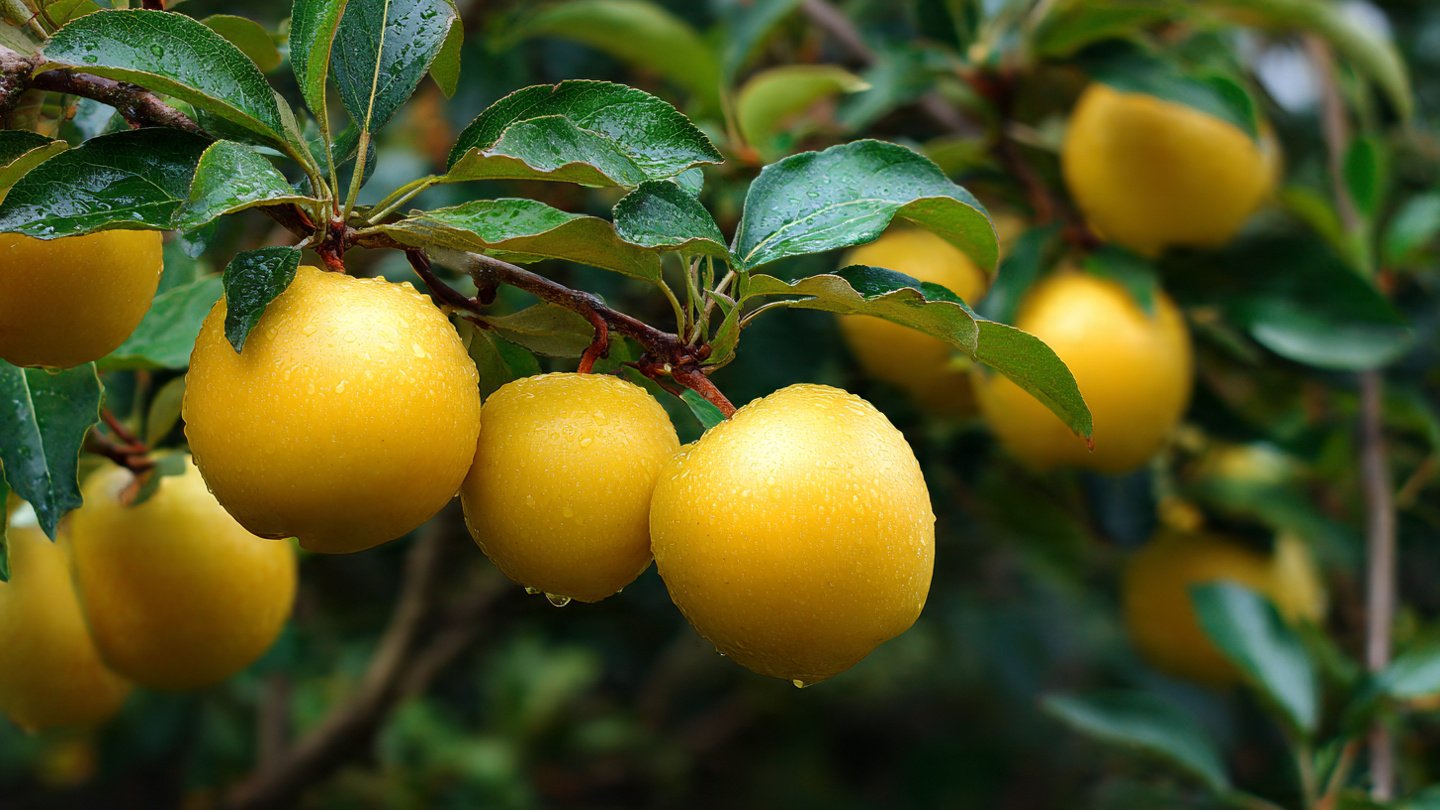
Growing a golden apple tree (Malus domestica), commonly known for its sweet, crisp fruit and attractive appearance, can be an incredibly rewarding endeavor. These trees not only enhance your garden but also produce delicious apples for consumption. With proper care, you can ensure healthy growth and abundant fruiting. In this article, we will explore everything you need to know about successfully growing a golden apple tree at home—from selecting the right variety to maintaining the tree year-round.
Choosing the Right Variety
1. Assess Your Climate
Golden apple trees thrive in temperate zones, ideally in USDA hardiness zones 4 to 9. Understanding your local climate is critical before selecting a variety. An apple tree typically requires a certain number of chilling hours (temperatures between 32°F and 45°F) for optimal fruit production. Therefore, ensure that the variety you choose is suitable for your region’s climate.
2. Popular Varieties
Several varieties produce golden apples, each with its unique characteristics. Here are a few popular options:
-
Golden Delicious: Known for its sweet, rich flavor, this variety is versatile for both eating raw and baking. The fruit is crisp and has a yellowish skin.
-
Gravenstein: While slightly tart, Gravenstein apples are excellent for sauces and pies. They are usually red-streaked over a greenish-yellow background.
-
Crispin (Mutsu): This variety is a cross between Golden Delicious and another type. It offers a firm texture and a sweet-tart flavor.
3. Consider Pollination

Most apple trees are not self-pollinating. To produce fruit, you’ll often need to plant at least two different varieties in proximity to facilitate cross-pollination. This is essential for optimal fruit yield.
Selecting a Planting Location
1. Soil Requirements
Golden apple trees prefer well-drained, loamy soil rich in organic matter. A soil pH of 6.0 to 7.0 is ideal. Conducting a soil test can help determine its current condition and provide information on necessary amendments.
2. Sunlight and Space
Select a location that receives ample sunlight—at least 6 to 8 hours daily. Ensure adequate space for the tree’s mature size, typically around 15 to 20 feet in height and width, depending on the variety. Avoid planting near structures or other trees that may impede sunlight and airflow.
3. Drainage
Good drainage is essential to prevent root rot. Avoid low-lying areas that collect water. Creating raised beds can also improve drainage if necessary.
Planting Your Golden Apple Tree
1. Timing
The best time to plant a golden apple tree is in early spring or late fall when the tree is dormant. Planting during these times helps reduce transplant shock.
2. Digging the Hole
- Dig a hole that is two to three times wider than the root ball but no deeper than the root depth.
- Loosen the soil at the bottom to promote root expansion.

3. Planting Process
- Carefully remove the tree from its container, gently teasing out any circling roots.
- Place the tree in the center of the hole. Ensure that the graft union (where the tree variety was grafted onto the rootstock) is above the soil line.
- Backfill the hole with the original soil, packing it gently to remove air pockets.
4. Watering
Water thoroughly after planting. This helps settle the soil around the roots. Keep the root zone moist but not soggy during the first growing season.
Caring for Your Golden Apple Tree
1. Watering
Apple trees require consistent watering, especially during dry spells. Aim for 1-2 inches of water per week. Water at the base of the tree to encourage deep root growth.
2. Fertilizing
Feed your tree annually with a balanced fertilizer in early spring before new growth begins. Look for a fertilizer specifically formulated for fruit trees, and follow the package instructions.
3. Pruning

Pruning is crucial for maintaining the health of your tree:
- When to Prune: Late winter or early spring, before new growth starts.
- How to Prune: Remove dead, damaged, or crossing branches. Thin out overcrowded branches to improve air circulation and sunlight penetration.
4. Pest and Disease Management
Common pests include apple scab, aphids, and codling moths. Implement an integrated pest management plan, which may include:
- Regular Monitoring: Check for signs of pests or diseases.
- Organic Treatments: Use neem oil or insecticidal soap as a natural pest deterrent.
- Cultural Practices: Maintain tree health through proper watering and fertilization.
Harvesting Your Golden Apples
1. Ripeness Indicators
Golden apples are typically ready for harvest in late summer to early fall. Indicators of ripeness include:
- A change in color from green to yellow.
- Apples easily detach from the tree when lifted.
- The fruit has developed its characteristic sweet aroma.

2. Harvesting Technique
Gently twist and pull the apple to remove it from the branch without damaging the tree.
Common Challenges and Solutions
1. Poor Fruit Set
If your tree is not producing fruit, the issue may be inadequate pollination or incorrect pruning. Ensure you have compatible varieties nearby and avoid heavy pruning.
2. Yellowing Leaves
This may indicate nutrient deficiencies or overwatering. Test your soil for nutrient levels and adjust your watering habits accordingly.
FAQs
1. How long does it take to grow a golden apple tree until it bears fruit?
Typically, golden apple trees will bear fruit 2 to 5 years after planting, depending on the variety and growing conditions.
2. Can I grow a golden apple tree in a pot?
Yes, dwarf or semi-dwarf varieties are suitable for container growing. Ensure the pot is large enough for root growth, and choose a high-quality potting mix.

3. What is the best time to prune my apple tree?
Pruning is best done in late winter or early spring while the tree is dormant, ensuring minimal sap loss and stress on the tree.
4. How do I know if my apple tree is struggling?
Signs of distress include yellowing leaves, stunted growth, or lack of fruit production. Monitoring your tree regularly will help you identify problems early.
5. Can I use chemical pesticides on my apple tree?
While chemical pesticides are effective, they can harm beneficial insects and the environment. Consider organic alternatives and employ integrated pest management practices.
Conclusion
Growing a golden apple tree at home can be a delightful experience, rewarding you with delicious fruit and enhancing your garden’s beauty. By following these guidelines—from choosing the right variety and location to proper care and maintenance—you’ll be well on your way to enjoying your very own golden apples. Happy gardening!