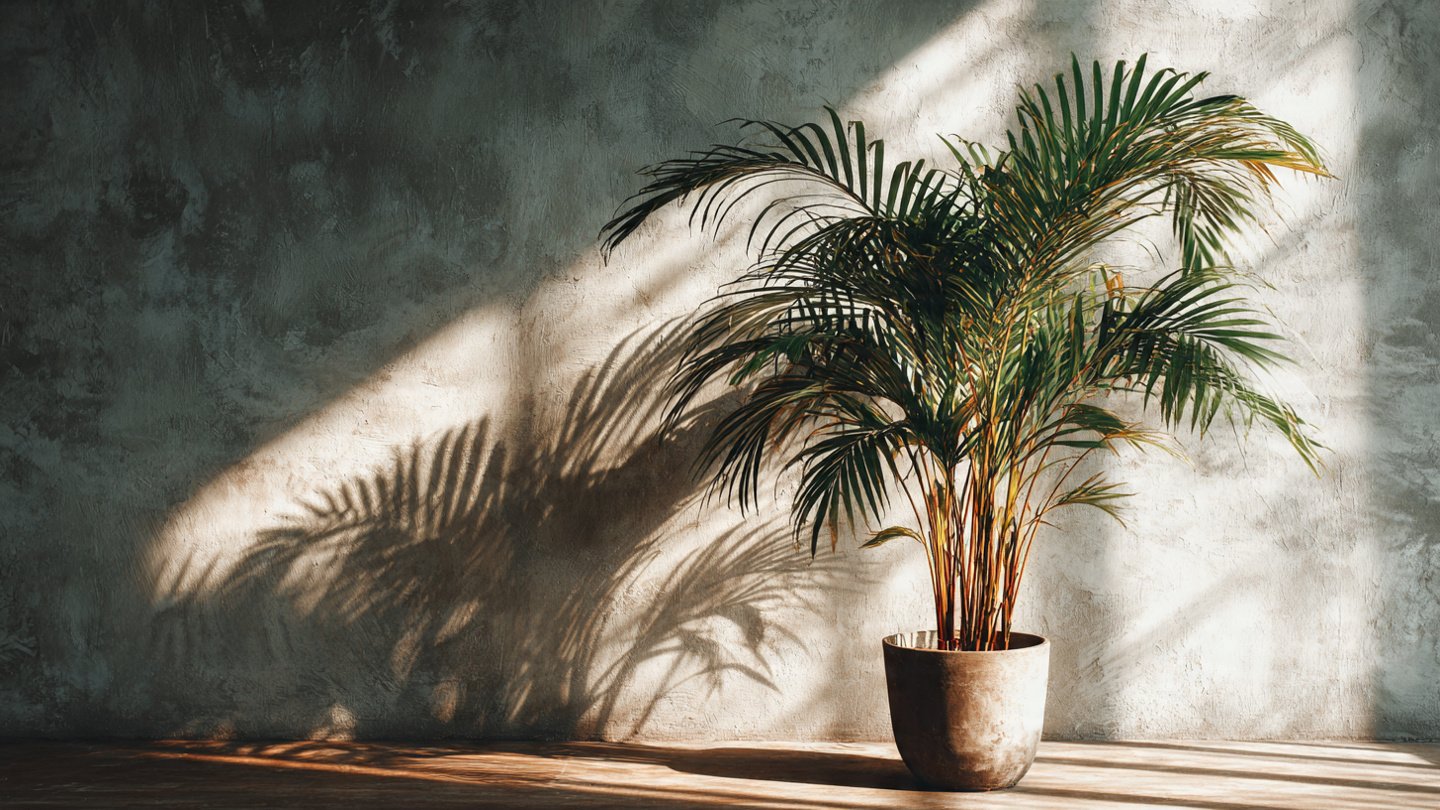
The Golden Cane Palm (Dypsis lutescens), also known as the Areca palm, is a popular choice for indoor decor, admired for its graceful appearance and easy maintenance. With its feathery fronds and vibrant green hue, it’s an excellent addition to homes and offices alike. This guide provides an in-depth look into cultivating the Golden Cane Palm, ensuring it flourishes and adds beauty to your space.
1. Understanding the Golden Cane Palm
1.1 Origin and Habitat
The Golden Cane Palm is originally from Madagascar and thrives in tropical climates. It grows in clusters, reaching heights of 6 to 10 feet indoors, making it a striking floor plant. Its slender, arching leaves create a graceful silhouette, adding a touch of elegance to any room.
1.2 Characteristics
- Leaves: The fronds can grow up to 7 feet long and have a feathery or pinnate appearance.
- Growth Habit: The trunk is slender and can grow multiple stems, which often bend slightly under the weight of the leaves.
- Color: Young leaves are bright yellow-green, maturing to a rich emerald green.
2. Choosing the Right Environment
2.1 Light Conditions
Golden Canes prefer bright, indirect light. They can tolerate some direct sunlight but too much exposure can scorch their leaves. Ideal locations are near east or west-facing windows with filtered light.
2.2 Temperature and Humidity
This palm thrives in warm temperatures, ideally between 65°F to 75°F (18°C to 24°C). It also appreciates humidity, so consider placing it in kitchens or bathrooms, or using a humidifier or pebble tray for added moisture.

2.3 Soil Requirements
A well-draining potting mix is crucial. Use a blend specifically formulated for palms or a combination of potting soil, peat moss, and perlite. This setup ensures proper aeration and drainage.
3. Planting and Repotting
3.1 Selecting a Pot
Choose a pot that is at least 2-4 inches wider in diameter than the current pot. Ensure it has drainage holes to prevent water retention, which can lead to root rot.
3.2 Planting Steps
- Prepare the Pot: Fill the base with fresh potting mix.
- Remove the Palm: Carefully take the Golden Cane Palm from its current pot. Loosen any tightly bound roots.
- Plant the Palm: Position the palm in the new pot and fill in around the roots with the potting mix. Be sure not to bury the trunk.
- Water Thoroughly: After planting, water the palm thoroughly until water drains from the bottom.
3.3 Repotting
Repot every 2-3 years or when the roots begin to outgrow their space. Signs for repotting include roots growing out of the drainage holes or water pooling on the surface of the soil.
4. Watering and Fertilizing
4.1 Watering Guidelines
Golden Cane Palms enjoy consistent moisture but dislike soggy conditions. Water when the top 1-2 inches of soil feels dry. Ensure the pot drains well to prevent water accumulation.

4.2 Fertilizing
During the growing season (spring and summer), fertilize every 4-6 weeks with a balanced, water-soluble fertilizer. Reduce feeding in fall and winter when the plant enters dormancy.
5. Pest Management
5.1 Common Pests
Golden Cane Palms may attract:
- Spider Mites: Their presence can be detected through webbing on the leaves. Treat with insecticidal soap or neem oil.
- Mealybugs: These pests appear as white cottony spots. Remove them by dabbing with a cotton swab dipped in alcohol or using insecticidal soap.
5.2 Preventive Measures
To minimize pest infestations:
- Maintain proper humidity levels.
- Regularly clean the leaves to remove dust and debris.
6. Pruning and Maintenance
6.1 Pruning Techniques

Pruning is essential to maintain the appearance and health of your Golden Cane Palm. Remove any yellow or brown fronds to encourage new growth.
6.2 Cleaning the Leaves
Occasionally wipe the leaves with a damp cloth to keep them clean and dust-free, enhancing their ability to photosynthesize.
7. Common Issues and Troubleshooting
7.1 Yellowing Leaves
If the leaves turn yellow, it might indicate overwatering or a nutrient deficiency. Adjust your watering frequency and consider fertilizing.
7.2 Brown Leaf Tips
Brown tips can be a sign of low humidity or underwatering. Increase humidity or adjust your watering schedule accordingly.
7.3 Stunted Growth
If growth appears stagnant, consider checking the roots for overcrowding or ensuring adequate lighting conditions.
8. Propagation
8.1 Methods of Propagation
Golden Cane Palms can be propagated through division. The best time is during repotting when the roots are disturbed.
8.2 Steps for Division
- Remove the Palm: Take the palm out of its pot.
- Divide the Clumps: Using a clean, sharp knife, separate the root ball into sections, ensuring each section has several stems.
- Replant: Plant the divided sections in new pots with fresh potting mix.
FAQs
1. How often should I water my Golden Cane Palm?
Water when the top 1-2 inches of the soil feel dry. Typically, this means watering once a week, but adjustments may be necessary based on humidity and temperature.
2. Can I grow Golden Cane Palm outdoors?
Yes, provided you live in a warm climate (USDA zones 10-11). They prefer partial shade and protection from strong winds.
3. Why are the leaves turning yellow?
Yellowing leaves can indicate overwatering, a lack of nutrients, or insufficient light. Assess your care routine and adjust accordingly.
4. How can I increase humidity for my Golden Cane Palm?
You can increase humidity by using a humidifier, placing a pebble tray filled with water under the pot, or grouping plants together.
5. What type of fertilizer should I use?

A balanced, water-soluble fertilizer such as 20-20-20 or one formulated for palms is ideal. Fertilize every 4-6 weeks during the growing season.
6. Is the Golden Cane Palm safe for pets?
Yes, the Golden Cane Palm is considered non-toxic to pets, making it a safe option for homes with animals.
7. How tall can my Golden Cane Palm grow indoors?
Indoors, a Golden Cane Palm can reach heights of 6 to 10 feet. With proper care, it can thrive and grow towards its maximum potential.
8. Can I grow multiple Golden Cane Palms together in one pot?
Yes, you can plant multiple Golden Cane Palms in one larger pot. Ensure there is enough space for each palm to grow without becoming root-bound.
Conclusion
Cultivating a Golden Cane Palm can transform your indoor space into a serene oasis with its lush foliage and elegant appearance. By following the steps outlined in this guide, you can ensure that your palm thrives and brings joy for years to come. Whether you’re a novice or experienced gardener, the Golden Cane Palm is a rewarding addition to your indoor decor. Enjoy the lush greenery and aesthetic appeal it provides, enhancing your living or working environment. Happy gardening!