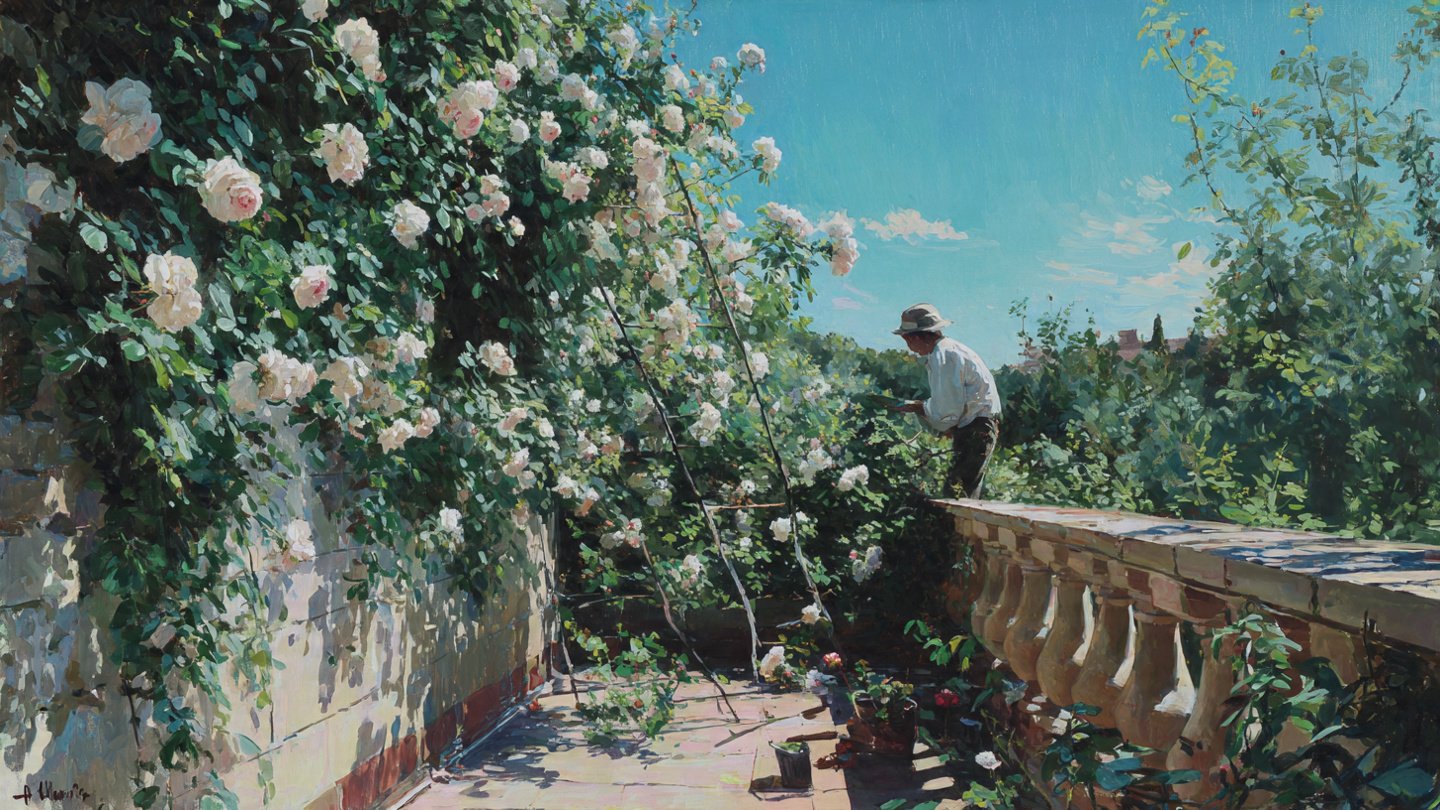
Growing climbing roses on your terrace is a delightful way to introduce beauty, fragrance, and vibrancy into your outdoor space. These versatile plants not only provide stunning vertical blooms but also create an inviting atmosphere that enhances your living environment. In this comprehensive guide, we’ll explore the essential steps, tips, and tricks for cultivating climbing roses successfully.
Understanding Climbing Roses
What Are Climbing Roses?
Climbing roses are a group of rose varieties that grow long, flexible stems capable of climbing and sprawling. These roses don’t have true climbing traits as might be seen in other climbing plants; rather, they rely on external support to grow upright. They display stunning flowers, luscious foliage, and often produce a delightful fragrance, making them perfect for vertical gardening.
Types of Climbing Roses
When selecting climbing roses for your terrace, consider the following types:
-
Ramblers: These roses have long, flexible canes that can reach substantial heights (up to 20 feet!). They typically bloom once a year in mid-summer.
-
Climbers: These have stiffer canes, are slightly shorter than ramblers, and generally provide more continual blooms throughout the season.
-
Cascading Roses: A hybrid option that is characterized by shorter growth, often ideal for hanging baskets or smaller trellises.
Selecting the Right Variety
Choosing the right variety is crucial for success. Some popular climbing roses include:
- ‘New Dawn’: Known for its hardiness and delicate pink blooms.
- ‘Pinkie’: A compact climber with rich pink flowers, excellent for small spaces.
- ‘Don Juan’: A classic red climber with a strong fragrance.

When selecting a variety to grow on your terrace, consider the climate, the amount of sunlight, and your personal aesthetic preferences.
Preparing Your Terrace
Assessing Space
Before planting, evaluate your terrace dimensions. Climbing roses need adequate space, both horizontally and vertically. Determine where you want your climbing roses to grow, ensuring they have access to a support structure.
Creating Support Structures
Climbing roses require support to thrive. Here are some options:
- Trellises: Vertical trellises can provide a great backdrop for climbing roses.
- Arbors and Pergolas: These structures not only support climbing roses but also create shaded areas.
- Rails and Fences: Utilize existing features for a natural look.
Selecting Containers
When growing climbing roses on a terrace, consider using large, sturdy containers that can accommodate the root system. Containers should have drainage holes to avoid waterlogging.
Soil Preparation
Roses thrive in well-draining soil that is rich in organic matter. You can prepare a mix using:
- Potting soil
- Compost (to enrich the soil)
- Perlite or sand (to improve drainage)
Ensure the pH level is between 6.0 and 6.8 for optimal growth.

Planting Your Climbing Roses
Timing
The best time to plant climbing roses is in the spring or fall when temperatures are moderate. This allows the plants to establish roots before facing extreme heat or cold.
Planting Steps
-
Soak Rooted Plants: If your climbing roses are in pots, soak their roots in water for a few hours before planting.
-
Digging Holes: Create a hole that is twice the width of the root ball and about as deep.
-
Placing the Plant: Position the plant in the hole, ensuring that the graft union (swelling on the stem) is above the soil line.
-
Filling the Hole: Replace the soil, firming it gently around the roots to eliminate air pockets.
-
Watering: Water deeply after planting to help establish the roots.
Caring for Climbing Roses
Watering
Roses require consistent moisture but dislike soggy soil. Aim to water deeply once a week, allowing the top inch of soil to dry out between waterings. During hot spells, monitor soil moisture regularly.
Fertilizing
Feed your climbing roses with a balanced fertilizer after planting and during the growing season. Look for fertilizers specifically formulated for roses, and follow the manufacturer’s instructions for application rates.

Pruning
Regular pruning is vital for maintaining health and promoting blooms:
-
When to Prune: Early spring is the best time to prune dead or weak stems.
-
How to Prune: Remove any dead, damaged, or crossing branches, and trim to shape the plant. Ensure you make clean cuts at a 45-degree angle.
Pests and Diseases
While climbing roses are generally hardy, keep an eye out for common pests such as aphids and spider mites. Utilize insecticidal soap or neem oil as needed. Additionally, watch for signs of diseases like powdery mildew; good air circulation and proper watering can prevent many issues.
Mulching
Apply a layer of organic mulch around the base of your climbing roses. This helps retain moisture, suppress weeds, and add nutrients to the soil as it decomposes.
Seasonal Considerations
Winter Care
In colder climates, prepare your roses for winter. Here’s how:
- Mulch: Apply a thick layer of mulch around the base to insulate the roots.
- Covering: Use burlap or other breathable fabrics to protect the canes from freezing temperatures.
Spring Awakening
As temperatures rise in spring, inspect your climbing roses for any damage from winter. Remove any protective covers and begin new care routines, including fertilization and pruning.

Creating a Vertical Garden Aesthetic
Combination Planting
Enhance the beauty of climbing roses by pairing them with other plants:
- Annuals: Plant vibrant annuals like petunias or marigolds at the base.
- Perennials: Incorporate perennials for a layered look.
Color Coordination
Consider the color scheme of your climbing roses and other plants. Using a mix of contrasting and complementary colors can create a visually appealing display.
Decorative Supports
Opt for decorative trellises or artistic supports to further enhance your terrace’s visual appeal. Metal or wooden structures can add aesthetic value while providing necessary support.
Maintaining Patio Health
Observing Weather Changes
Extreme weather can impact the growth of climbing roses. Monitor local forecasts to ensure your plants receive adequate care during heatwaves or cold snaps.
Stress Reduction Tactics
Stress in plants can lead to disease and stunted growth. Ensure consistent care routines, and address issues promptly to maintain the vibrancy and health of your climbing roses.
FAQs
Q1: How long does it take for climbing roses to bloom?
Typically, climbing roses can take one to two years to establish themselves and start blooming.

Q2: Can climbing roses grow in partial shade?
While climbing roses prefer full sun, many varieties can tolerate partial shade. However, they may produce fewer blooms.
Q3: What should I do if my climbing roses don’t bloom?
If your climbing roses aren’t blooming, check for insufficient sunlight, improper watering, or inadequate fertilization. Adjust your care accordingly and be patient.
Q4: How often should I water climbing roses?
Water your climbing roses deeply once a week, allowing the top inch of soil to dry out between waterings.
Q5: What are the signs of disease in climbing roses?
Look for yellowing leaves, wilting, or spots on leaves. Early detection allows you to treat various diseases effectively.
Q6: Is it necessary to fertilize climbing roses?
Yes, fertilizing during the growing season helps provide the necessary nutrients for healthy growth and abundant blooms.
Q7: Can I grow climbing roses in a container?
Absolutely! Ensure you choose a large enough container with good drainage and provide a sturdy support structure.
Conclusion
Growing climbing roses on your terrace is not only a rewarding endeavor but also a beautiful way to elevate your outdoor aesthetics. With the right care, proper planning, and attention to detail, you can enjoy stunning vertical blooms that enchant both you and your guests. Now that you have the ultimate guide to success, it’s time to get started on making your terrace a vibrant rose haven. Happy gardening!