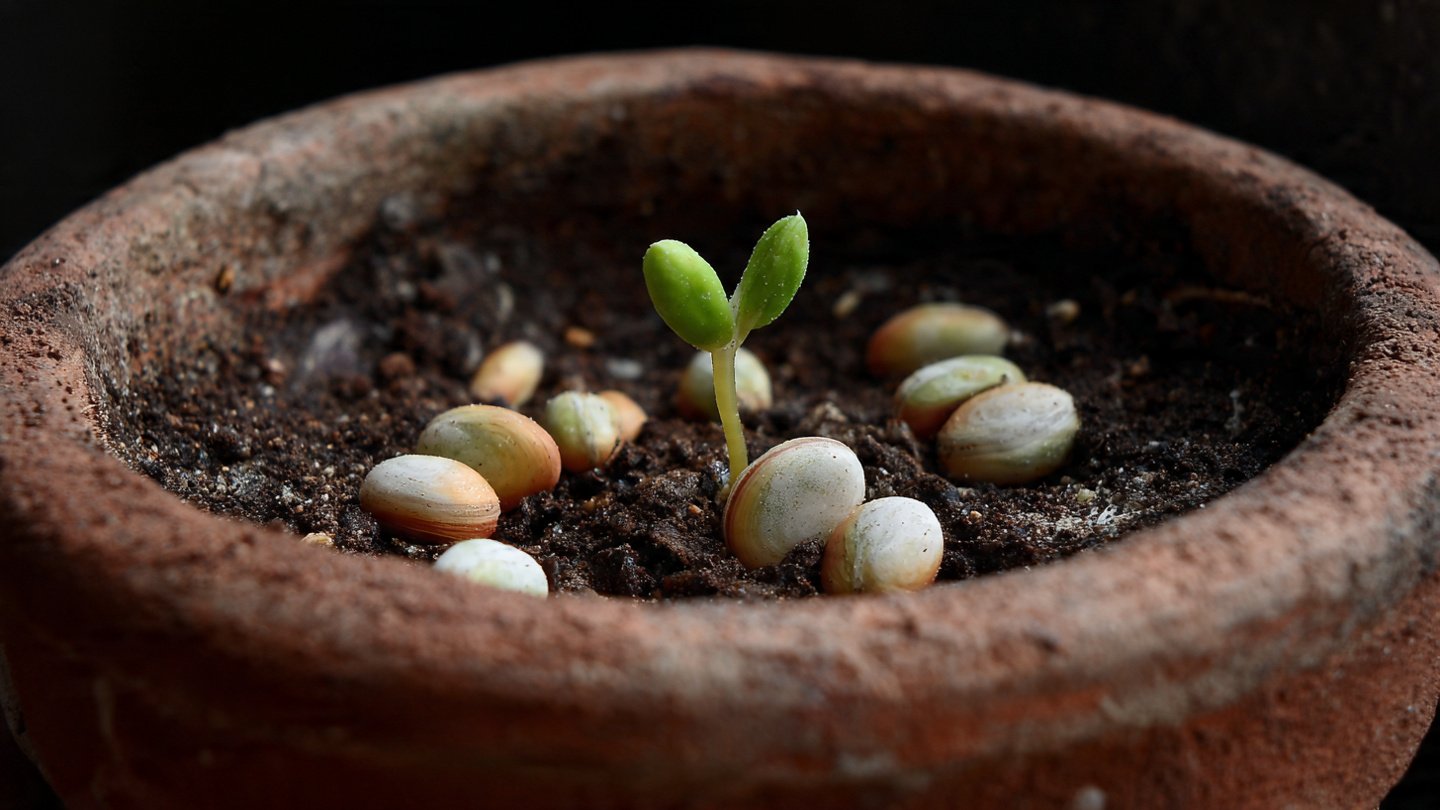
Mangoes are not just delicious; they’re one of the most popular fruits worldwide. Yet, many people don’t realize that growing mango trees from seeds is an achievable project, even for beginners. This guide will walk you through the best techniques for germinating mango seeds at home, allowing you to enjoy the fruits of your labor in the years to come.
Understanding Mango Seeds
Mango seeds are large, flat, and encased in a hard outer shell, making them somewhat challenging to germinate. However, with the right techniques, you can coax these seeds into producing a healthy mango plant. Mango trees thrive in warm environments, so your home climate will play an essential role in the success of germination.
Benefits of Growing Mangoes from Seeds
- Cost-effective: Seed-grown mango trees are generally less expensive than purchasing a sapling.
- Variety: Growing from seeds allows you to experiment with different mango varieties.
- Satisfaction: There’s a special joy in watching a tree grow from a seed you planted.
Step-by-Step Guide to Germinate Mango Seeds
1. Selecting the Right Mango
Choose a ripe mango from a local market or grocery store. The quality of the fruit affects the seed, so opt for a mango with high sugar content and a rich flavor.
2. Extracting the Seed
Step 1: Removing the Flesh
Carefully cut away the flesh of the mango without damaging the seed. A serrated knife works best for this task. Be sure to remove all remnants of fruit.
Step 2: Cleaning the Seed
Once you have the mango seed, rinse it under warm water to remove any remaining pulp. This step is crucial to prevent mold during germination.

3. Preparing the Seed
Mango seeds are encased in a hard shell. To facilitate germination, you need to soften it.
Method 1: Soaking
- Soak the cleaned seed in water for 24 hours. This will help to soften the tough outer coat.
Method 2: Scarification
- Gently file or nick the outer layer of the seed using sandpaper or a knife. Be careful not to damage the inner seed.
4. Germination Techniques
Once your mango seed is prepared, you can choose from several techniques to germinate it.
Technique 1: Paper Towel Method
-
Moisten a Paper Towel: Wet a paper towel and wring out excess water so it’s damp but not soaked.
-
Wrap the Seed: Place the seed in the center of the towel and fold it over the seed.
-
Seal in a Plastic Bag: Put the wrapped seed in a plastic bag or container with a lid to retain moisture.
-
Warm Environment: Place the bag in a warm, dark location, such as on top of a refrigerator.
-
Check Regularly: Open the bag every few days to release moisture and check for mold. Within 1-3 weeks, the seed should sprout.

Technique 2: Direct Planting Method
-
Choose a Pot: Select a pot with drainage holes.
-
Potting Mix: Fill the pot with a well-draining potting mix. A mixture of peat and perlite works well.
-
Plant the Seed: Plant the seed about an inch deep with the flat side down.
-
Watering: Water the seed gently but avoid overwatering.
-
Warm and Bright Location: Place the pot in a bright area, but avoid direct sunlight.
-
Patience: Germination might take 2-3 weeks.
Technique 3: Water Germination Method
-
Prepare a Jar: Use a glass jar and fill it halfway with water.

-
Suspending the Seed: Place the mango seed in the jar, suspended above the water with a toothpick (the bottom half should be submerged).
-
Change Water Regularly: Replace the water every few days to prevent stagnation.
-
Wait for Sprouts: In about a week or two, you should see roots developing.
5. Transplanting Your Seedling
Once your seedling has grown to about 6 inches (15 cm), it’s ready for transplanting.
Step 1: Choosing a Location
Mango trees require full sunlight and ample space. Select an outdoor spot or a larger indoor pot with drainage.
Step 2: Timing
Transplant when the weather is warm. Late spring to early summer is ideal in most climates.
Step 3: Planting
- Dig a hole in your chosen location.
- Remove the seedling from its pot carefully.
- Place it in the hole, ensuring the top of the soil is even with the surrounding ground.
- Water thoroughly.

6. Caring for Your Young Mango Tree
Watering
- Water regularly, especially during dry spells.
Fertilization
- Use a balanced fertilizer during the growing season, every 4-6 weeks.
Pest Management
- Keep an eye out for common pests like aphids and scale. Neem oil is an effective natural pesticide.
7. Common Issues and Troubleshooting
- No Sprouting: If the seed hasn’t sprouted, it could be due to insufficient warmth or moisture. Double-check your setup.
- Mold Growth: If mold appears, you might be over-soaking the seed. Reduce moisture and improve airflow.
- Weak Seedlings: If the seedling appears spindly, it’s not receiving enough light. Move it to a brighter location.
8. Patience is Key
Mango trees can take several years to produce fruit. While the wait may seem long, patience will be rewarded with delicious mangoes and a beautiful tree.
FAQs
Q1: Can I grow a mango tree from a store-bought mango?

Yes, you can! Just make sure to choose a ripe mango and follow the steps outlined above for extraction and germination.
Q2: How long does it take for a mango seed to germinate?
Typically, a mango seed can germinate within 1 to 3 weeks, depending on the method and conditions.
Q3: Should I remove the hard seed covering?
Yes, it’s recommended to remove or soften the outer covering for better germination.
Q4: Can mango trees be grown indoors?
Yes, mango trees can be grown indoors in pots. They require a sunny location and sufficient space to grow.
Q5: How often should I water my young mango tree?
Water your young mango tree regularly, allowing the soil to dry out slightly between waterings. Too much moisture can lead to root rot.
Q6: How do I know when my mango tree is ready to bear fruit?
Mango trees typically start producing fruit around 3 to 6 years after planting, depending on the variety and growing conditions. Look for flowering during the spring season.
Conclusion
Germinating mango seeds at home is a rewarding and enjoyable process that yields delightful results. Using the techniques outlined in this guide, you can cultivate your mango tree and enjoy the process from seed to fruit. With proper care and patience, you can look forward to enjoying juicy mangoes right from your backyard in the coming years. Whether in your garden or on your balcony, growing mangoes is not just about the end fruit; it’s about embracing nature’s beauty and the joy of nurturing a living thing. Happy planting!