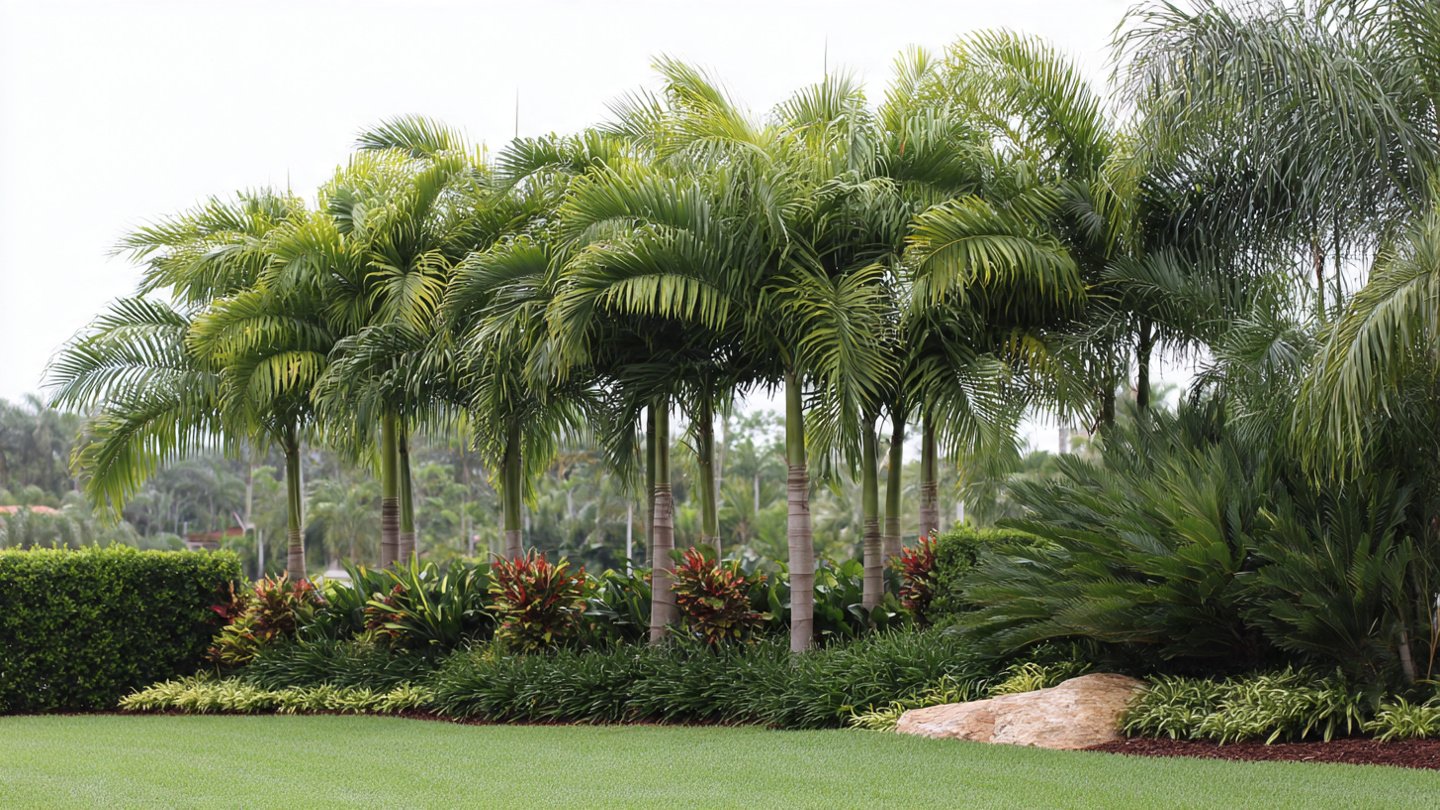
When it comes to enhancing the beauty of your landscape, few plants are as compelling as the Areca Palm (Dypsis lutescens). Known for its graceful fronds and attractive growth habit, this tropical palm not only adds visual appeal but also improves air quality and creates a serene atmosphere. Whether you’re a seasoned gardener or a beginner, this guide offers everything you need to know to successfully grow Areca Palms in your landscape.
What is the Areca Palm?
The Areca Palm, commonly called the Butterfly Palm, is native to Madagascar. It can grow up to 20 feet tall, with a trunk diameter of about 6 inches. Its feathery, arching fronds can reach lengths of 6 feet, creating a lush, green appearance. Areca Palms are popular in both indoor and outdoor settings, valued for their adaptability and aesthetic appeal.
Why Grow Areca Palms?
- Aesthetic Appeal: With its lush green fronds and vertical growth, the Areca Palm adds elegance to residential and commercial landscapes alike.
- Air Purification: Recognized as an effective air purifier, the Areca Palm helps remove toxic chemicals from the air, making it a great indoor plant as well.
- Low Maintenance: Areca Palms are relatively low-maintenance, making them suitable for busy gardeners.
- Versatility: They can thrive in a variety of settings, including garden beds, pots, and as indoor plants.
Growing Conditions
1. Climate
Areca Palms thrive in tropical and subtropical climates, preferring USDA hardiness zones 10 to 11. They are sensitive to frost and need protection from cold temperatures. If you live in a cooler climate, consider growing them in pots so you can bring them indoors during the winter.

2. Soil
Well-drained soil is essential for healthy Areca Palms. They prefer slightly acidic to neutral pH levels (between 5.5 and 7.5). Ensure good drainage by mixing organic matter like compost or well-decomposed manure with potting soil if you’re planting in pots.
3. Sunlight
While Areca Palms can tolerate full sun, they thrive best in partial shade. Ideally, they should receive filtered sunlight for several hours a day. Too much direct sunlight can scorch their leaves, so consider placing them in a location where they receive morning sun and afternoon shade.
4. Watering
Areca Palms like consistently moist soil but are sensitive to overwatering. Water them thoroughly, allowing the top inch of soil to dry out before watering again. In hotter months, more frequent watering may be necessary, while in cooler months, cut back on watering considerably.
Planting Areca Palms
Step 1: Selecting the Right Location
Choose a spot that meets the climate, sunlight, and soil conditions discussed above. If planting multiple Areca Palms, space them about 2 to 3 feet apart to allow room for growth.
Step 2: Digging the Hole

Dig a hole that’s twice the width of the root ball and the same depth. This will ensure that the roots have ample space to expand.
Step 3: Preparing the Soil
Before planting, mix some organic compost into the native soil to improve its texture and nutrient content. This encourages robust root development.
Step 4: Planting the Palm
Gently remove the Areca Palm from its pot. Place it in the hole, ensuring that the top of the root ball is level with the surrounding soil. Fill around the root ball with the amended soil and gently pat it down to eliminate any air pockets.
Step 5: Watering
After planting, water the palm thoroughly to help settle the soil around the roots.
Care and Maintenance
Fertilization
Areca Palms benefit from regular fertilization during the growing season. Use a balanced, slow-release fertilizer high in potassium, such as a palm-specific formula. Fertilize every 6-8 weeks from spring to early fall.

Pruning
Remove any yellow, brown, or damaged fronds to maintain the plant’s appearance and health. However, avoid excessive pruning, as this can stress the plant.
Pest Control
Areca Palms are generally pest-resistant, but they can occasionally suffer from spider mites, scale, and mealybugs. Regularly inspect the plant and, if pests are found, treat them with insecticidal soap or neem oil.
Winter Care
In cooler climates, protect your Areca Palms by wrapping them in burlap or moving potted palms indoors. If planted in the ground, consider using mulch around the base to protect the roots from freezing.
Landscaping Ideas with Areca Palms
- Accent Plants: Use Areca Palms as focal points in a garden bed. Their height and structure make them excellent accent plants.
- Container Planting: They work wonderfully in pots, lining walkways or patios, providing an inviting tropical feel.
- Privacy Screens: Planting Areca Palms in a row can create a natural privacy screen, blocking unsightly views and noise.
- Tropical Theme: Combine Areca Palms with other tropical plants like Bird of Paradise, Hibiscus, and Monstera to create a lush paradise in your garden.

Common Challenges
Leaf Yellowing
If your Areca Palm’s leaves start to yellow, it may indicate overwatering or nutrient deficiency. Check the watering schedule and consider adding fertilizer if the plant has been in the ground for a while without feeding.
Pests
As mentioned earlier, pests can occasionally affect Areca Palms. Regular inspections and timely treatment with organic solutions will keep your plants healthy.
Slow Growth
If your Areca Palm isn’t growing as quickly as expected, check the light conditions. They may need more indirect sunlight or require fertilization.
FAQs
1. How fast do Areca Palms grow?
Areca Palms typically grow 6 to 10 inches per year under optimal conditions, reaching their full height in about 5 to 10 years.
2. Can Areca Palms survive winter outdoors?

Areca Palms are sensitive to frost and should be protected in temperatures below 50°F (10°C). In colder climates, they are best grown in pots that can be moved indoors.
3. How often should I water my Areca Palm?
Water your Areca Palm when the top inch of soil feels dry. In hotter weather, this may be every few days, while in cooler months, you can reduce the frequency to once a week or less.
4. Are Areca Palms toxic to pets?
No, Areca Palms are non-toxic to pets and are safe to have around dogs and cats.
5. Can I grow Areca Palms indoors?
Yes, Areca Palms are popular indoor plants. They thrive in bright, indirect sunlight and need regular watering. Just make sure they are kept away from drafts and extreme temperature fluctuations.
Conclusion
Growing Areca Palms in your landscape can significantly enhance its aesthetic appeal while offering various benefits. Their lush greenery, minimal maintenance needs, and air-purifying qualities make them an ideal choice for any garden or indoor space. By following the guidelines outlined in this guide, you can enjoy the beauty of Areca Palms for years to come. Take the plunge and introduce these tropical gems to your landscape today!