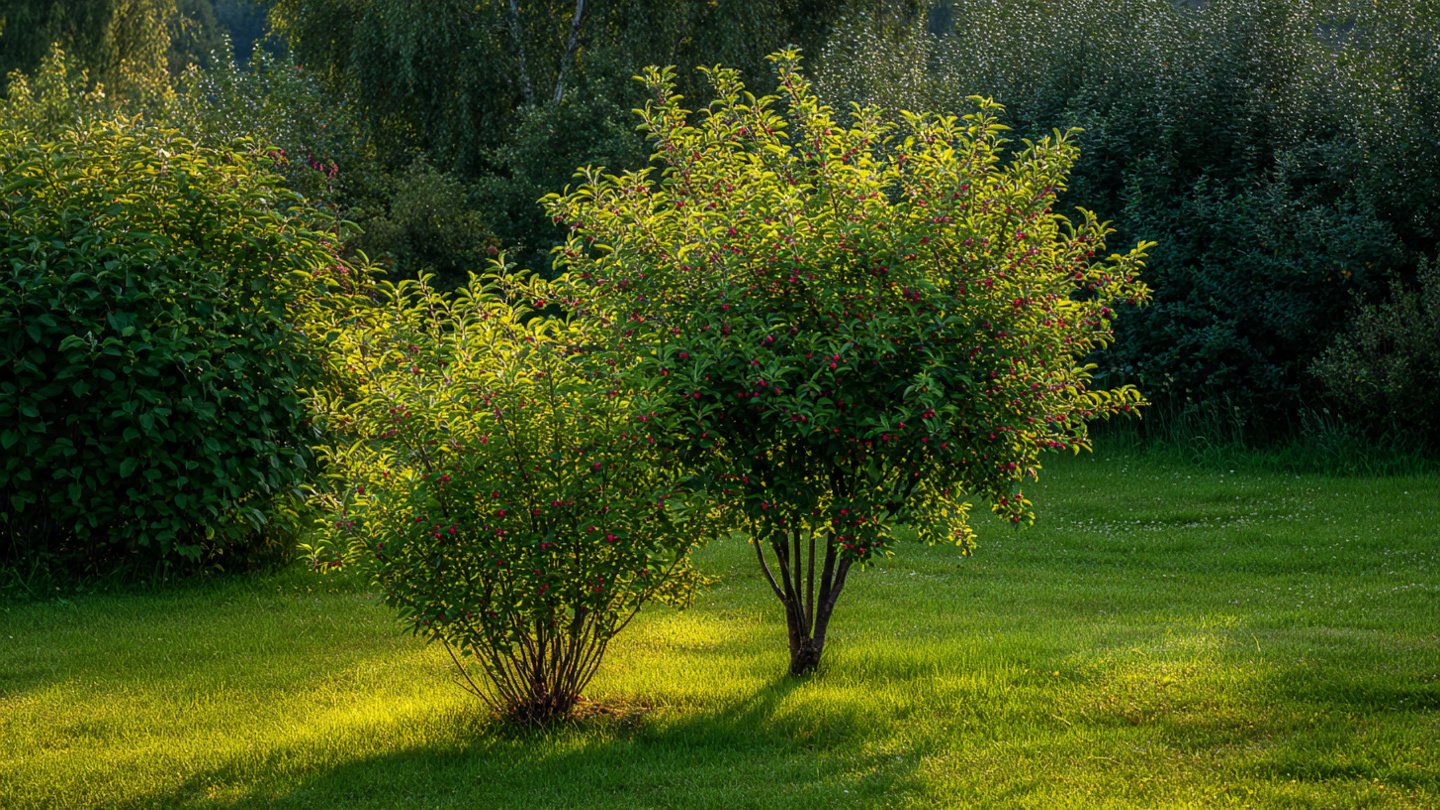
Cultivating dwarf apple trees can be a rewarding endeavor, especially for those living in colder climates. With their compact size, these trees are not only easier to manage but also more suited to limited spaces and harsh weather conditions. This guide will provide you with essential knowledge about the best practices for growing dwarf apple trees, ensuring a maximum yield even in cooler temperatures.
1. Understanding Dwarf Apple Trees
Dwarf apple trees are genetically smaller versions of standard apple trees. They typically reach a height of 6 to 8 feet, making them perfect for small gardens, patios, or even containers. Dwarf trees will produce full-sized apples but may yield less than standard trees, typically ranging from 5 to 10 bushels per year, depending on the variety and growing conditions.
Advantages of Dwarf Apple Trees
- Space-Saving: Ideal for urban gardening or small yards.
- Ease of Harvesting: No ladders needed for picking fruit.
- Faster Fruit Production: Dwarf trees reach maturity quicker than standard varieties.
Suitable Varieties for Cold Climates
- Honeycrisp: Known for its sweet flavor and crisp texture, this variety is hardy down to USDA zone 3.
- Cortland: This apple thrives in colder regions and has a balanced sweet-tart flavor.
- Haralson: A Minnesota-bred variety, it’s particularly resistant to cold and does well in USDA zone 3.
- Keepsake: This disease-resistant variety is not only cold-hardy but also offers excellent flavor.
2. Preparing the Site for Planting
Choosing the Right Location

Selecting an appropriate location is critical for the successful cultivation of dwarf apple trees. Here are a few factors to consider:
-
Sunlight: Dwarf apple trees require a minimum of 6-8 hours of direct sunlight daily. Pick a spot that is sunny but also offers some protection from harsh winds.
-
Soil Quality: Well-draining soil is crucial. A pH level between 6.0 and 7.0 is ideal. Monitor soil moisture; overly wet soil can lead to root rot.
-
Drainage: Avoid low-lying areas where water collects. This will help prevent fungal diseases, a common issue in cold climates.
Soil Preparation
Improving soil quality can significantly increase yield. Consider the following steps:
- Test the Soil: Use a soil testing kit to determine pH and nutrient levels.
- Add Organic Matter: Mix in compost or aged manure to enrich the soil.
- Tilling: Aerate the soil by tilling it to a depth of about 12 inches.
3. Planting Dwarf Apple Trees
Timing
The best time to plant dwarf apple trees in cold climates is in early spring after the last frost or in fall before the first frost. Autumn planting gives the tree time to establish root growth before winter sets in.

Planting Steps
-
Dig the Hole: Create a hole that is twice as wide as the root ball and as deep as necessary to ensure that the graft union (where the trunk meets the rootstock) is just above soil level.
-
Position the Tree: Place the dwarf apple tree in the hole and fill it in with soil, gently tamping down to eliminate air pockets.
-
Watering: Water thoroughly after planting and continue to keep the soil moist but not waterlogged.
4. Caring for Dwarf Apple Trees
Proper care is essential for maximizing yield. Here are key factors to consider:
Watering
- Frequency: Deep watering every 7-14 days is ideal, especially during dry spells.
- Mulching: Apply a 2-4 inch layer of organic mulch around the base to retain moisture.
Fertilization
- Timing: Fertilize in early spring when new growth begins.
- Type: Use a balanced fertilizer, following the manufacturer’s instructions based on your soil test results.

Pruning
Pruning helps to enhance airflow and sunlight penetration, reducing the risk of disease:
- Timing: Late winter to early spring is best for severe pruning.
- Technique: Remove crossing branches and any dead or diseased wood. Aim for a central leader consisting of the main vertical stem.
5. Protecting from Cold and Pests
Winter Protection
In colder climates, protecting your dwarf apple trees from harsh winters is crucial:
- Mulching: Increase mulch thickness around the base to protect roots.
- Wrap for Insulation: Consider wrapping the trunks with tree wrap or burlap to protect them from freezing temperatures.
Pest and Disease Management
Common pests that you may need to monitor include:
- Aphids: These can affect new growth. Use insecticidal soap to control them.
- Codling Moths: Use traps to monitor and manage codling moths that can ruin fruit.

Regular inspections can help you catch problems early.
6. Harvesting Techniques
Harvesting should be timed to ensure you pick apples at their peak ripeness. Here’s how to do it right:
Timing
- Fruits are ready when they easily detach from the tree with a gentle twist. Color and firmness are also good indicators.
Techniques
- Gentle Handling: Handle the fruit with care to avoid bruising.
- Use Baskets: Use padded baskets to transport apples to minimize damage.
7. FAQs
Q1: How long does it take for dwarf apple trees to bear fruit?
A1: Dwarf apple trees generally start bearing fruit within 3 to 5 years after planting, depending on the variety and growing conditions.
Q2: Do dwarf apple trees require cross-pollination?
A2: Many dwarf apple trees benefit from cross-pollination, so it’s best to plant at least two different varieties within proximity.

Q3: What is the best fertilizer for dwarf apple trees?
A3: A balanced fertilizer (10-10-10) is recommended, but always adjust based on your soil test results to ensure optimal nutrients.
Q4: How often should I water my dwarf apple trees?
A4: During dry spells, water your trees every 7-14 days. Make sure the soil is moist but not waterlogged.
Q5: How can I protect my dwarf apple trees from frost?
A5: Cover them with frost cloth during forecasted freezes, and consider planting them in a sheltered location.
Q6: Can I grow dwarf apple trees in containers?
A6: Yes, dwarf apple trees adapt well to container gardening, but ensure the container has sufficient drainage and is large enough for root growth (at least 10 gallons).
Conclusion
Cultivating dwarf apple trees in cold climates can be both fulfilling and productive. By understanding the unique needs of these trees—such as suitable varieties, sunlight requirements, soil quality, and maintenance—you can enjoy a bountiful harvest year after year. With the right care and attention, your dwarf apple trees can thrive and bear delicious, crisp apples, enhancing your gardening experience in even the chilliest of regions. Enjoy the process, and happy gardening!