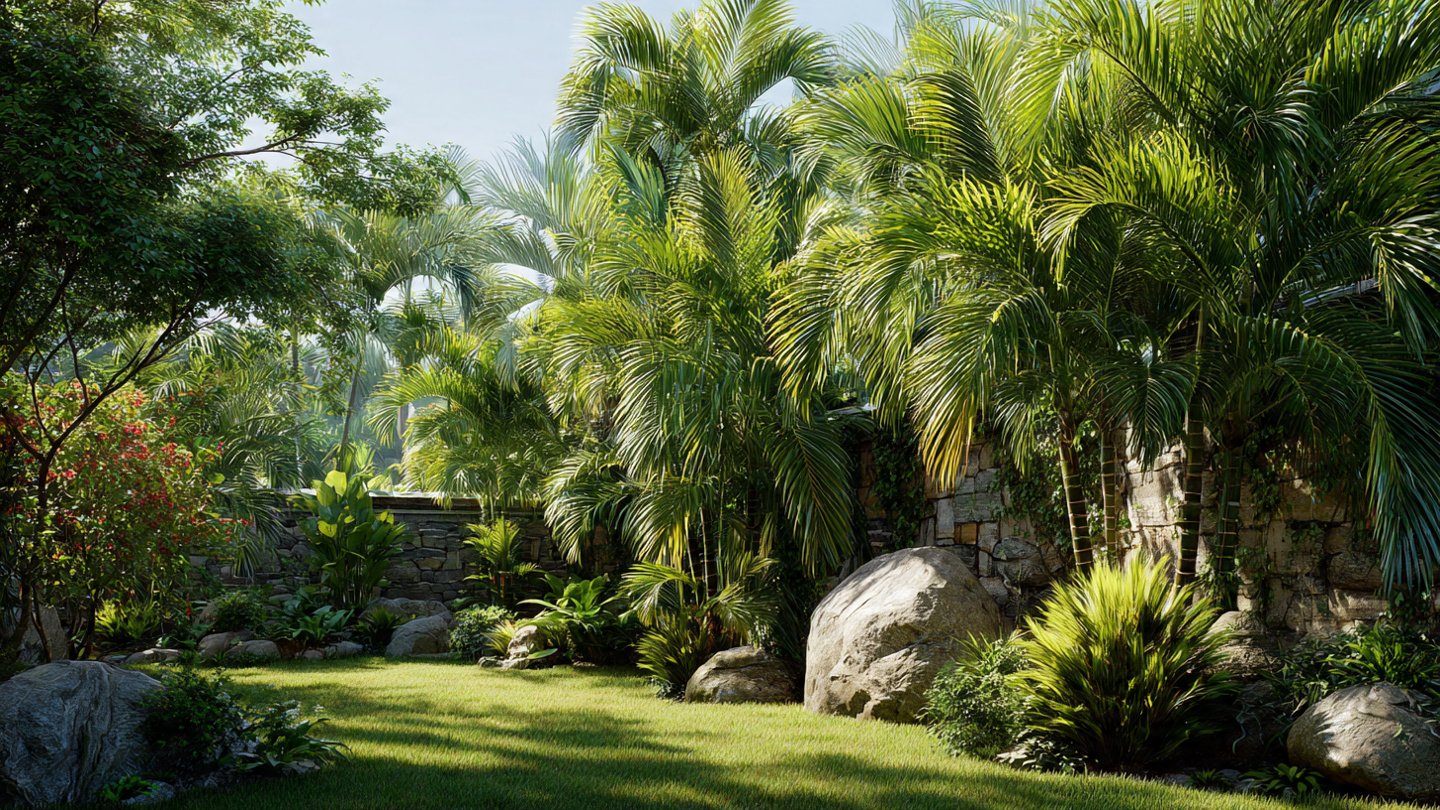
Areca palm (Dypsis lutescens), commonly known as the butterfly palm, is a popular choice for both indoor and outdoor landscaping. Its graceful fronds and lush green appearance add a tropical touch, making it a favorite among garden enthusiasts and landscape designers alike. This easy guide will help you understand everything you need to know about growing areca palm in your landscape, along with tips for care and maintenance to ensure your space thrives with beautiful greenery.
Table of Contents
- Introduction to Areca Palm
- Benefits of Areca Palm
- Ideal Growing Conditions
- Soil Requirements
- Watering Needs
- Fertilization Guidelines
- Pruning and Maintenance
- Pest and Disease Control
- Landscaping Ideas
- Conclusion
- FAQs
1. Introduction to Areca Palm
Areca palm is native to Madagascar and typically grows in clumps, reaching heights of up to 10-20 feet. The slender, graceful trunks and arching fronds create a striking silhouette, adding height and drama to any landscape. Whether used as a focal point, a hedge, or as part of an overall theme, the areca palm is versatile and adaptable.

2. Benefits of Areca Palm
Areca palms not only enhance the aesthetic appeal of your landscape but also have several functional benefits:
- Air Purification: They are known for their ability to purify the air, making your space healthier.
- Low Maintenance: Once established, areca palms are relatively easy to care for.
- Shade Provider: They can offer shade in sunny locations, creating a comfortable outdoor environment.
- Versatility: Suitable for both indoor and outdoor cultivation, adding a lush tropical feel to any space.
3. Ideal Growing Conditions
Areca palms thrive in warm, tropical climates but can adapt to various conditions. Here are the key factors to consider:
- Temperature: Ideal temperatures range from 65°F to 75°F (18°C to 24°C). They can tolerate brief periods of colder weather but should be protected from frost.
- Light: These palms prefer bright, indirect sunlight. Direct sunlight can scorch the leaves, so it’s best to provide filtered light.
- Humidity: Areca palms flourish in high humidity. If you’re growing them indoors, consider placing a humidifier nearby.
4. Soil Requirements
Proper soil is crucial for the health of your areca palm. Here’s what to look for:

- Type: A well-draining potting mix or garden soil enriched with organic matter is ideal.
- pH Level: Aim for a slightly acidic to neutral pH, around 6.0 to 7.0.
- Drainage: Ensure that the soil allows excess water to escape to prevent root rot. Consider adding perlite or sand for improved drainage.
5. Watering Needs
Watering is a fundamental aspect of areca palm care. Here are the key guidelines:
- Frequency: Water regularly, allowing the top inch of soil to dry out between waterings. In warmer months, you may need to water more frequently.
- Method: Use room-temperature water to avoid shocking the roots. Water the base of the plant, directing moisture to the roots rather than the fronds.
- Signs of Overwatering: Yellowing leaves or a mushy base are indicators that you might be overwatering. Adjust your watering schedule accordingly.
6. Fertilization Guidelines
To promote healthy growth, fertilization is essential for areca palms. Here’s how to do it effectively:
- Type of Fertilizer: Use a balanced, water-soluble fertilizer designed for palm trees. Look for a formulation high in potassium.
- Frequency: Fertilize every 4-6 weeks during the growing season (spring and summer). Lower the frequency in fall and winter when growth slows.
- Application: Follow the manufacturer’s instructions carefully to avoid over-fertilization, which can harm the plant.
7. Pruning and Maintenance

Regular maintenance keeps your areca palms healthy and vibrant. Follow these tips:
- Pruning: Remove any brown or damaged fronds by cutting them off close to the trunk. Avoid excessive pruning, as this can stress the plant.
- Cleaning: Wipe the leaves with a damp cloth to remove dust and improve photosynthesis.
- Repotting: If your areca palm has outgrown its pot, repot it every 2-3 years with fresh potting mix.
8. Pest and Disease Control
Like any plant, areca palms can face pests and diseases. Here’s what to watch for:
- Common Pests: Scale, spider mites, and aphids may infest your areca palm. Use insecticidal soap or neem oil as a treatment.
- Leaf Spot Disease: This fungal disease often results from overwatering. Ensure proper drainage and avoid wetting the leaves when watering.
- Prevention: Regularly inspect your plants for signs of infestation or disease, and maintain good air circulation around the foliage.
9. Landscaping Ideas
Areca palms can enhance various landscaping themes. Here are some ideas:
- Tropical Oasis: Combine areca palms with colorful tropical flowers, ferns, and other lush greenery to create a vibrant, tropical atmosphere.
- Border Planting: Use areca palms as a natural border or hedge to provide privacy and wind protection.
- Container Gardens: For patios or balconies, areca palms in large containers can make stylish focal points while allowing for easy mobility.

10. Conclusion
Growing areca palm in your landscape is a rewarding and enjoyable experience. With proper care, these beautiful palms can thrive for years, enhancing your outdoor space with their graceful presence. Whether you’re looking to create a tropical paradise or just add a touch of greenery, areca palms are a versatile choice that can cater to various desires and styles.
11. FAQs
Q1: Can I grow areca palm indoors?
Yes, areca palms thrive indoors as long as they have access to bright, indirect sunlight and adequate humidity.
Q2: How tall does an areca palm grow?
Areca palms can grow up to 10-20 feet tall when planted in the ground, but they typically reach around 6-10 feet in indoor settings.
Q3: How often should I water areca palm?
Water your areca palm regularly, allowing the top inch of soil to dry out between waterings. Adjust frequency based on weather conditions.
Q4: What kind of fertilizer should I use?

Use a balanced, water-soluble fertilizer designed for palm trees, ideally with a high potassium content.
Q5: Is areca palm safe for pets?
Yes, areca palms are non-toxic to pets, making them a safe choice for households with animals.
Q6: Can I propagate areca palm?
Propagation from seed is possible but can be slow. Collect seeds from mature plants and sow them in a warm, humid environment.
Q7: What’s the ideal temperature for areca palm?
Areca palms thrive in temperatures ranging from 65°F to 75°F (18°C to 24°C). Protect them from frost and extreme cold.
Closing Thoughts
With careful planning and care, your areca palm (Dypsis lutescens) can become a stunning feature of your landscape, contributing to a vibrant and healthy garden. Happy gardening!