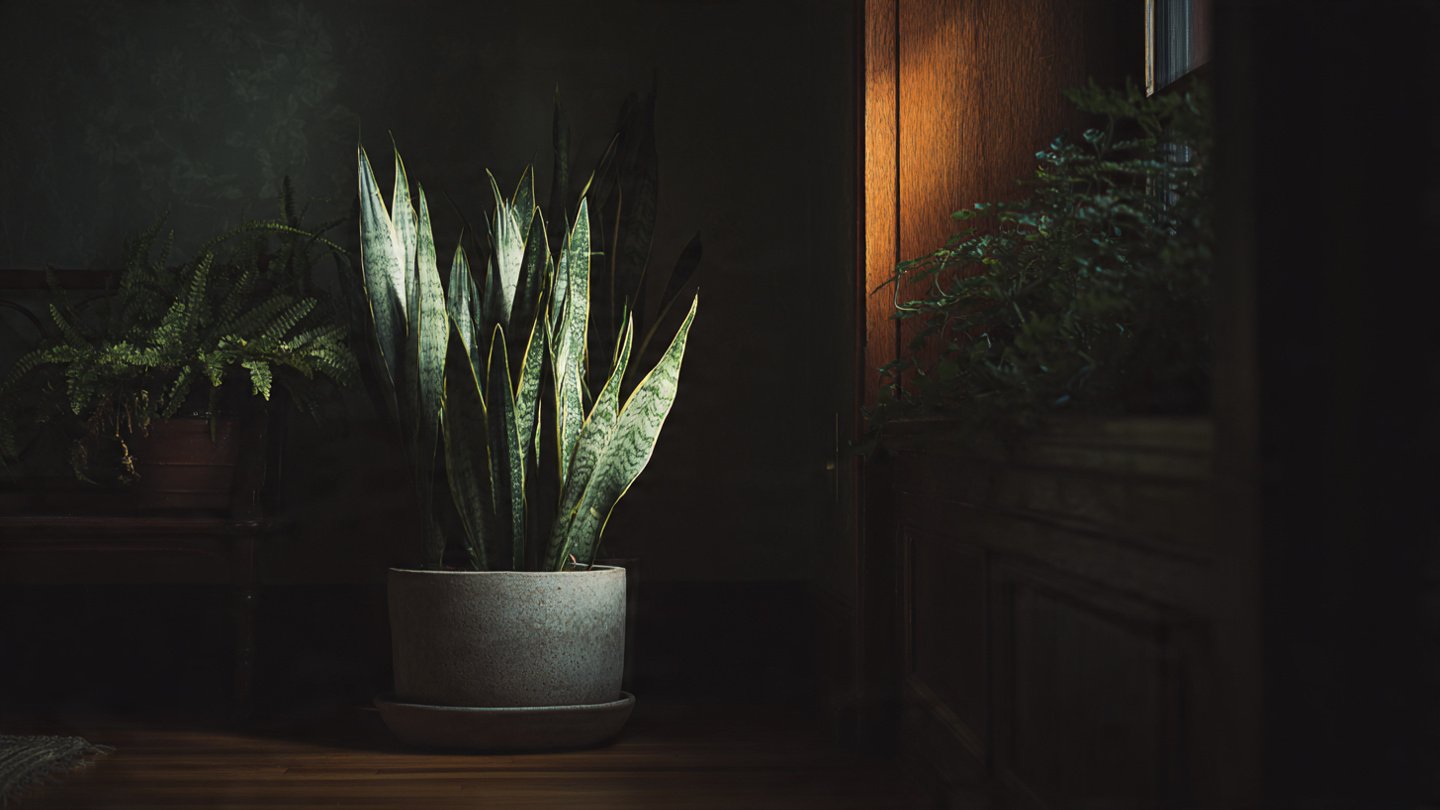
Snake plants, scientifically known as Sansevieria, have surged in popularity among houseplant enthusiasts. Their unique architectural leaves, resilience, and air-purifying qualities make them a favorite for both novice and experienced plant owners. One of the most appealing aspects of snake plants is their ability to thrive in low-light environments, making them perfect for dimly lit spaces. If you’re looking to grow snake plants successfully in such conditions, this article will guide you through simple techniques to ensure they flourish.
Understanding Snake Plants
Characteristics of Snake Plants
Snake plants feature long, upright leaves that are often variegated with different shades of green, yellow, or silver. They are known for their ability to adapt to various environmental conditions, making them a hardy option for indoor gardening.
Benefits of Snake Plants
- Air Purification: Snake plants can filter toxins from the air, such as formaldehyde and benzene.
- Low Maintenance: They require minimal care, making them suitable for busy lifestyles.
- Aesthetic Appeal: Their distinctive appearance adds a touch of elegance to any space.
The Need for Low Light Adaptation
While snake plants can tolerate lower light conditions, they still require some light to perform photosynthesis. Optimum lighting for snake plants ranges from indirect sunlight to bright, indirect light. However, they are also known to withstand extended periods of low light.
Simple Techniques for Growing Snake Plants in Low Light

1. Selecting the Right Variety
Choosing the right variety of snake plant is crucial, especially for low-light environments. Here are a few varieties known for their adaptability:
- Sansevieria trifasciata (Mother-in-Law’s Tongue): This popular variety can withstand low light.
- Sansevieria cylindrica: Known for its cylindrical leaves, this variety also thrives in shaded areas.
- Sansevieria moonshine: Featuring silvery leaves, it is visually striking and hardy in low-light situations.
2. Correct Potting and Soil
- Pot Selection: Use pots that have drainage holes to prevent waterlogging. Terracotta pots are an excellent choice due to their breathability.
- Soil Choice: A fast-draining soil mix is essential. A commercial cactus or succulent mix works well. Alternatively, you can create your own by mixing regular potting soil with sand or perlite.
3. Optimal Watering Techniques
Overwatering is one of the most common mistakes when growing snake plants. In low light:
- Water Sparingly: Allow the top 1-2 inches of soil to dry out before watering again.
- Check for Signs: Yellowing leaves can indicate overwatering, while shriveling leaves might signify underwatering.

4. Light Requirements
Since snake plants can adapt to low light, consider these points:
- Indirect Light: Place your plant near a window that receives filtered light. Avoid direct sunlight, which can scorch the leaves.
- Avoid Darkness: Although they can tolerate low light, extremely dark environments will stunt growth. Rotate the plant occasionally to allow it to receive light from different angles.
5. Temperature and Humidity Control
- Temperature: Snake plants prefer warmer temperatures between 60°F to 80°F (15°C to 27°C). They can survive in cooler temperatures but should be protected from frost.
- Humidity: Snake plants are tolerant of varying humidity levels but thrive best in average indoor humidity.
6. Fertilization Tips
While snake plants do not require frequent fertilization, a light feeding can promote growth:
- Use a Balanced Fertilizer: Use a diluted, balanced houseplant fertilizer or a succulent-specific fertilizer during the growing season (spring and summer).
- Fertilize Sparingly: Fertilize only every 4-6 weeks, as too much fertilizer can harm the plant.

7. Pests and Diseases Management
Although snake plants are relatively pest-resistant, they are not immune to problems.
- Common Pests: Watch out for spider mites, mealybugs, and aphids. If detected, treat the plant with insecticidal soap or neem oil.
- Fungal Issues: Overwatering can lead to root rot. Ensure proper drainage and allow the soil to dry between waterings.
8. Regular Maintenance
- Pruning: Remove any dead or yellowing leaves to maintain the plant’s health and aesthetic appeal.
- Dusting: Periodically wipe the leaves with a damp cloth to remove dust, which can hinder photosynthesis.
9. Propagation Techniques
Snake plants are easy to propagate, and doing so can help increase your plant collection without spending a dime.
- Leaf Cuttings: Cut a healthy leaf into sections, let them dry for a day to form a callus, and then plant them in soil.
- Division: During repotting, you can also separate offsets or pups from the main plant, ensuring that each division has roots.

10. Patience and Observation
Finally, patience is crucial. Growth may slow down in low-light conditions, but with consistent care, your snake plant will eventually thrive. Regularly observe your plant for signs of growth or distress and adjust your care routine accordingly.
Common FAQs
1. How often should I water my snake plant in low light?
Water your snake plant only when the top 1-2 inches of soil are dry. This may mean watering every 2-6 weeks, depending on the humidity and temperature of your environment.
2. Can snake plants survive in complete darkness?
While snake plants can tolerate low light, they cannot survive in complete darkness. Some light, even if filtered, is necessary for their growth and health.
3. What should I do if my snake plant leaves are turning yellow?
Yellowing leaves can indicate overwatering. Reduce watering frequency and ensure proper drainage. If the issue persists, check for root rot.
4. How can I encourage growth in my snake plant?
Provide adequate light, even if it’s indirect. Ensure your plant is in fast-draining soil, and fertilize sparingly during the growing season.

5. Can I grow snake plants outdoors?
Snake plants prefer indoor environments but can be placed outdoors in partial shade. Avoid direct sunlight and ensure temperatures do not drop below 60°F (15°C).
6. Are snake plants pet-friendly?
Yes, snake plants are generally considered non-toxic to pets. However, it’s always wise to keep all plants out of reach of curious pets.
7. How fast do snake plants grow?
Snake plants grow slowly, particularly in low light. With optimal care, you may see new growth in spring and summer.
Conclusion
Growing snake plants in low-light environments is an achievable and rewarding endeavor. With the right care techniques, including optimal watering, appropriate potting, and minimal pest management, you can enjoy the beauty and benefits of this resilient plant. Ideal for beginners and seasoned plant enthusiasts alike, snake plants can add a touch of nature to even the dimmest corners of your home. Happy gardening!