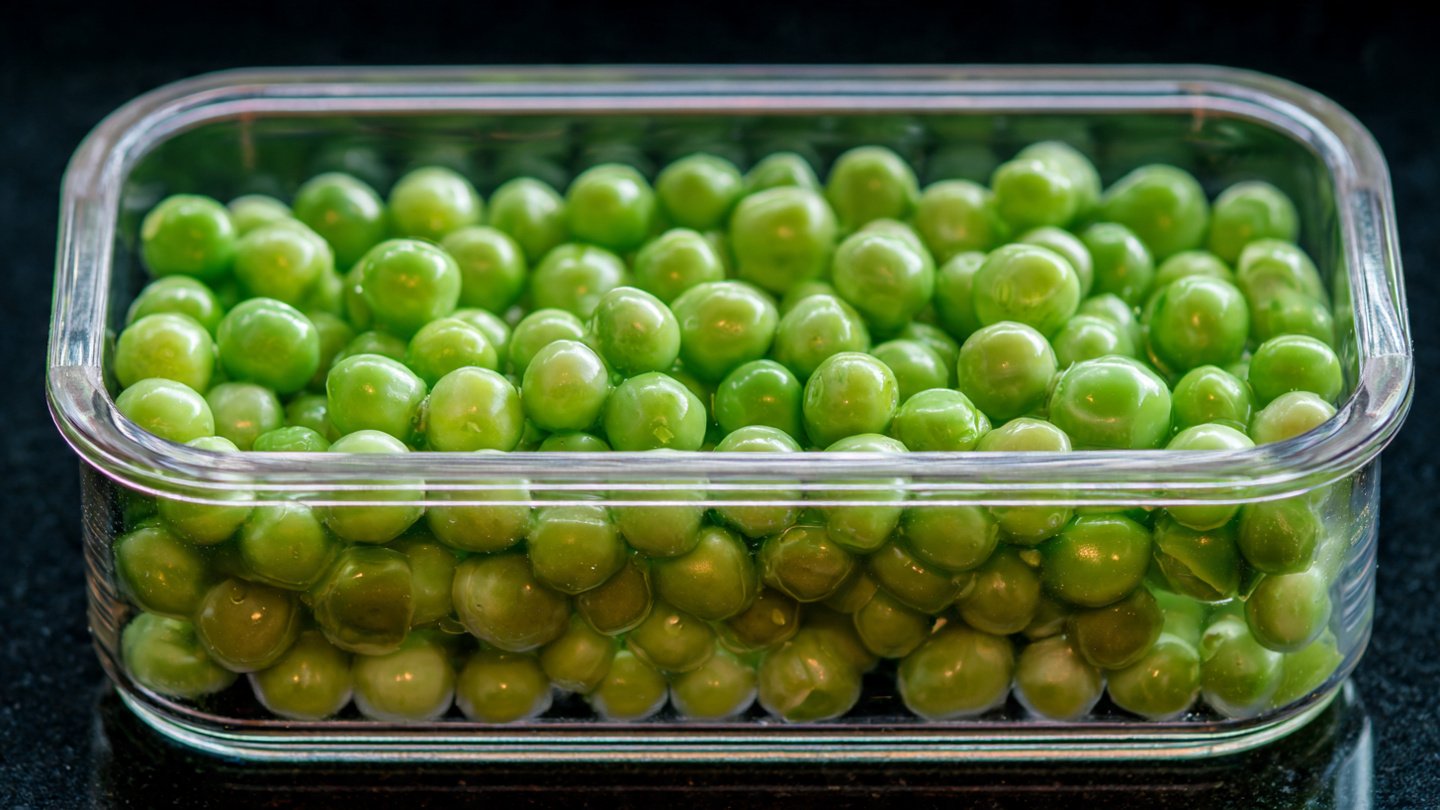
Growing peas in containers is a fantastic way to enjoy fresh produce right on your patio or balcony. Whether you’re an experienced gardener or just starting out, this guide will help you maximize both the yield and flavor of your pea plants. We’ll explore the best practices for container gardening, the types of peas to grow, soil preparation, watering techniques, and tips for optimal growth.
Why Grow Peas in Containers?
Growing peas in containers is advantageous for several reasons:
- Space Efficiency: Containers are perfect for those with limited garden space. They can be placed anywhere there’s sunlight.
- Soil Control: You can customize the soil mix to meet the specific needs of peas, ensuring healthier plants and better flavor.
- Mobility: If conditions change, you can easily move containers to optimize light or protect plants from harsh weather.
- Accessibility: Containers make it easier to tend to your plants, improving accessibility for watering, harvesting, and inspecting for pests.
Types of Peas to Grow
Before you start planting, it’s essential to choose the right type of peas. There are three main categories:
- Snap Peas: These are edible-podded peas that can be eaten whole. They have a sweet flavor and are great for snacking. Popular varieties include ‘Sugar Snap’ and ‘Cascadia.’
- Shelling Peas: Also known as garden peas, these peas are harvested and shelled before eating. They’re prized for their sweetness and are typically used in cooking. Varieties include ‘Green Arrow’ and ‘Little Marvel.’
- Snow Peas: These peas have flat pods and are harvested while still young. They are great in stir-fries and salads. Look for ‘Snowflake’ or ‘Duchess’ varieties.
Container Selection
Choosing the right container is vital for successful pea cultivation. Here are some tips for selecting your containers:

- Size: A container should be at least 12 inches deep and wide. Peas have shallow root systems, but a larger container provides room for growth.
- Material: Plastic, clay, and fabric containers all work well. Ensure the choice has adequate drainage holes to prevent waterlogging.
- Light Color: Lighter-colored containers reflect sunlight and keep soil temperatures cooler, which can benefit pea growth.
- Support Structure: Since peas are climbing plants, consider containers that can accommodate a trellis or support system.
Soil Preparation
The right soil mix is crucial for maximizing yield and flavor. Peas prefer well-draining, nutrient-rich soil. Here’s a simple recipe:
- Base Mix: Combine equal parts of potting soil and compost to provide a nutrient-rich base.
- Perlite or Vermiculite: Add perlite for aeration or vermiculite for moisture retention, ensuring the soil remains well-draining yet retains some moisture.
- pH Level: Peas thrive in slightly acidic to neutral soil (pH 6.0 to 7.5). Before planting, test your soil’s pH and amend accordingly with lime to raise pH or sulfur to lower it.
- Fertilization: While peas are legumes that can fix their own nitrogen, a slow-release organic fertilizer can support their growth when mixed into the soil.
Planting Peas
Once you have your container ready, it’s time to plant! Follow these steps for optimal results:
- Timing: Peas are cool-season crops that thrive in spring and fall. Plant them as soon as the soil can be worked, typically 2-4 weeks before the last frost.
- Spacing: Sow seeds about 2 inches apart and 1-2 inches deep. Rows can be spaced about 6-8 inches apart if you’re using a larger container.
- Water: After planting, gently water the soil to settle the seeds, but avoid overwatering as this can lead to rot.
Watering Techniques
Peas need consistent moisture for optimal growth but dislike overly wet feet. Here are watering tips to consider:
- Frequency: Water deeply but infrequently. Containers may dry out faster, so check daily during hot weather.
- Method: Use a soaker hose or watering can to avoid disturbing the soil or young plants.
- Mulching: Apply a thin layer of organic mulch to help retain moisture, regulate soil temperature, and reduce weeds.
Sunlight Requirements
Peas thrive in full sun, needing at least 6-8 hours of sunlight per day. However, they can tolerate light shade, especially during the hottest part of the day. If you’re experiencing scorching summers, consider placing your containers where they receive dappled sunlight in the afternoon.

Support and Trellising
Since peas are climbing plants, they need a structure to grow upwards. Here’s how to set up a support system:
- Trellis Options: Use bamboo stakes, a wire fence, or a dedicated trellis. You can also repurpose old materials like wooden ladders or even garden netting.
- Installation: Install your support when planting so that young plants can easily climb as they grow. Ensure it’s stable enough to withstand wind and the plant’s weight.
Pest and Disease Management
Container gardening can reduce the risk of certain pests and diseases, but it’s still essential to keep an eye out for common issues:
- Pests: Aphids, caterpillars, and pea weevils are common in pea crops. Use insecticidal soap or neem oil to control them naturally.
- Diseases: Fungal issues like powdery mildew can occur. Make sure to provide good air circulation, avoid overhead watering, and use disease-resistant varieties.
Harvesting Peas
When it comes to harvesting, the sweetness of the peas is at its peak just as they start to fill out the pods:
- Timing: For snap and snow peas, pick them when they are still tender, but before the seeds bulge noticeably. Shelling peas should be harvested when the pods are plump.
- Technique: Use scissors or pinching to remove pods to avoid damaging the plant. Frequent harvesting encourages more production.
- Storing: Fresh peas can be stored in the refrigerator for about a week. For longer storage, consider blanching and freezing them.
Conclusion
Growing peas in containers can be a rewarding experience, yielding delicious, sweet produce for your table. By employing these techniques and tips, you can ensure that your pea plants flourish, providing maximum flavor and yield. Remember, gardening is not just about the end result; it’s also about enjoying the process and connecting with nature.

FAQs
1. What is the best time to plant peas in containers?
Peas thrive in cooler temperatures, so the best time to plant is in early spring, about 2-4 weeks before the last expected frost. You can also plant in the fall for a second harvest.
2. How often should I water my pea plants?
Peas prefer consistent moisture without soggy conditions. Water deeply when the top inch of soil feels dry, typically every 2-3 days depending on your climate.
3. Can I grow peas indoors in containers?
While peas prefer outdoor conditions, you can grow them indoors in a well-lit area. Ensure that they receive at least 6-8 hours of light daily, and use a grow light if necessary.
4. Do peas need fertilizer?
Peas can fix their own nitrogen, but if your soil is poor, a slow-release organic fertilizer can help boost their growth and yield.

5. How do I deal with pests on my pea plants?
Common pests include aphids and caterpillars. Use insecticidal soap or neem oil to treat infestations. Introducing beneficial insects like ladybugs can also help control pests naturally.
By following these guidelines, you’ll be well on your way to enjoying a bountiful harvest of peas from your container garden. Happy gardening!