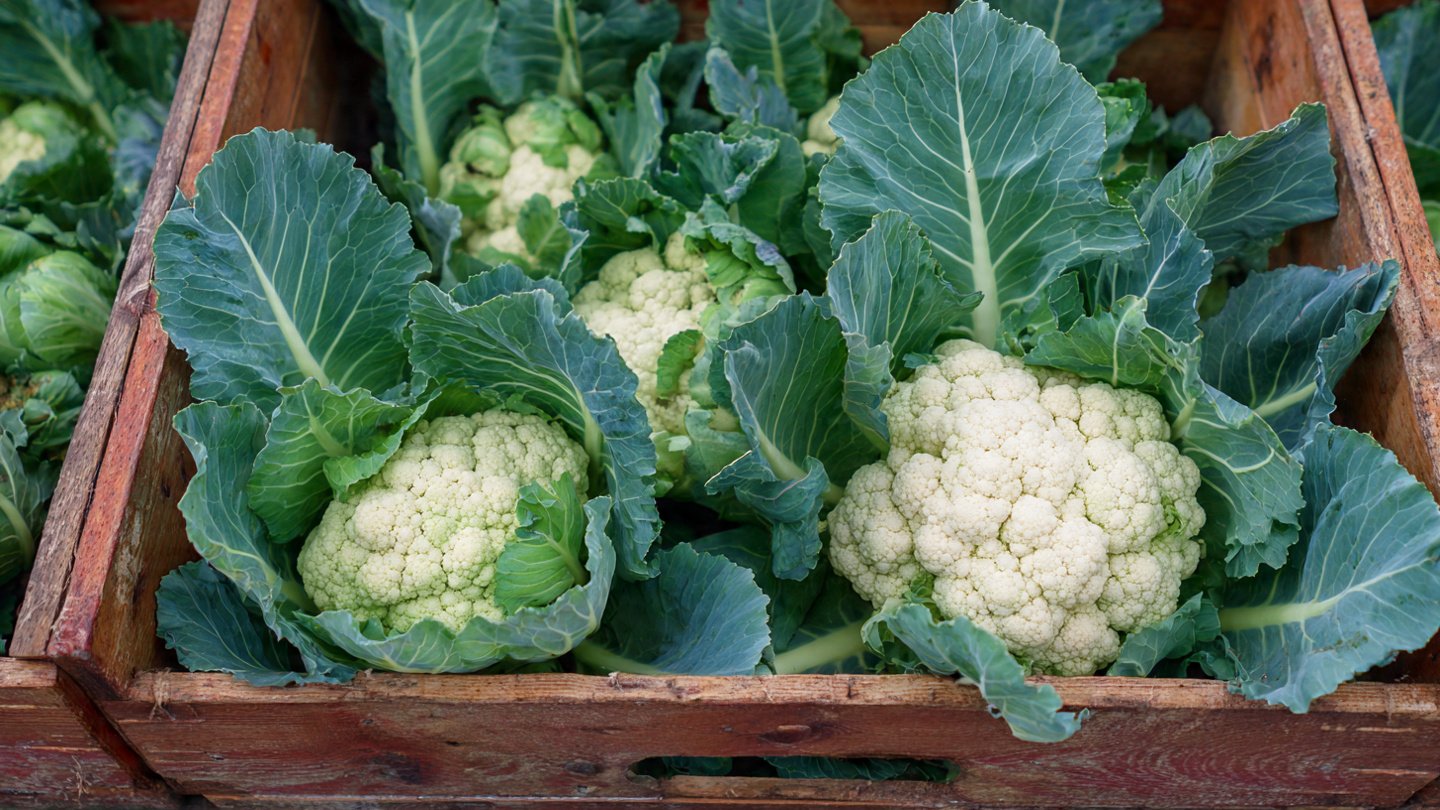
Growing cauliflower can be a rewarding experience, especially if you’re short on garden space. Container gardening allows you to cultivate this nutrient-rich vegetable on balconies, patios, or small yards. In this article, we’ll explore the simple steps to successfully grow cauliflower in a container garden, ensuring that you can enjoy this versatile and healthy vegetable right at home.
Understanding Cauliflower
Cauliflower (Brassica oleracea var. botrytis) is a member of the cruciferous vegetable family, which also includes broccoli, Brussels sprouts, and kale. This vegetable is not only delicious but rich in vitamins C and K, fiber, and antioxidants. Cauliflower thrives in cooler temperatures, making it an ideal plant for spring and fall gardening.
Why Grow Cauliflower in Containers?
Growing cauliflower in containers offers several advantages:
- Space Utilization: If you don’t have a large garden, containers make it possible to grow a variety of crops in limited spaces.
- Mobility: Containers can be moved to ensure optimal sunlight and to protect plants from harsh weather conditions.
- Soil Control: Using the right soil mix allows for better control over nutrients and drainage.
- Pest Management: Containers can reduce the risk of pest infestations and soil-borne diseases.
Choosing the Right Container
Size
Select a container that is at least 12 to 18 inches deep and has a capacity of at least five gallons. Cauliflower has a deep root system and requires space to grow.

Material
Containers can be made from plastic, wood, or ceramic. Ensure that the material allows for good drainage. Avoid containers without drainage holes, as cauliflower roots are prone to rot in standing water.
Selecting the Right Soil
A high-quality potting mix is essential for growing healthy cauliflower. Look for a soil that is:
- Well-draining: Cauliflower roots need air circulation and cannot tolerate standing water.
- Nutrient-rich: A mix containing organic matter like compost or well-rotted manure will provide the necessary nutrients.
- pH-balanced: Cauliflower prefers a slightly acidic to neutral pH (6.0 to 7.0).
Preparing the Soil
Before planting, it’s beneficial to mix in some organic fertilizer into the potting soil. This could be a balanced slow-release fertilizer or organic compost, which helps support healthy growth.
Selecting and Sowing Seeds
Choosing the right variety of cauliflower is critical for success. There are many varieties such as:
- Snowball: A popular choice known for its white heads and compact growth.
- Graffiti: A unique purple variety.
- Cheddar: This variety has a vibrant orange head and is rich in beta-carotene.

Starting Seeds Indoors
Seasonality plays a vital role in growing cauliflower:
- Approximate Timing: Start seeds indoors about 6-8 weeks before the last expected frost.
- Temperature: Keep the soil temperature around 70°F (21°C) until germination.
Transplanting Seedlings
Once the seedlings develop four to six leaves and the outdoor temperatures are consistently above 60°F (15°C), they can be transplanted to the container.
Transplanting and Spacing
When transplanting, follow these guidelines:
- Space: If planting multiple plants, space them about 18 to 24 inches apart to allow for ample growth.
- Planting Depth: Place seedlings at the same depth they were growing in their original containers and water them well.
Watering

Proper watering is crucial for growing healthy cauliflower:
- Consistency: Keep the soil consistently moist but not soggy. Aim to maintain a slight moisture level without letting the soil dry out completely.
- Methods: Use drip irrigation or a watering can to prevent overhead watering, which can increase the risk of fungal diseases like downy mildew.
Fertilization
Fertilizing your cauliflower on a schedule can optimize growth:
- Initial Feeding: When transplanting, mix in a balanced fertilizer.
- Ongoing Fertilization: Every 4-6 weeks, feed your plants with a liquid organic fertilizer to promote healthy foliage and head development.
Monitoring Sunlight and Temperature
Cauliflower thrives in full sunlight, which means it needs at least 6 hours of direct sunlight per day. However, during hot summer months, protecting your plants from intense heat is crucial. If temperatures exceed 80°F (27°C), consider providing shade during the hottest part of the day.
Pest and Disease Management
Container gardening can reduce the risk of pests, but it’s essential to remain vigilant. Common pests include:
- Aphids: Small, green bugs that can reproduce rapidly. Use insecticidal soap or neem oil to control them.
- Cabbage Worms: These pests chew holes in leaves. Hand-picking or using Bacillus thuringiensis (BT) can help manage them.

Disease Prevention
- Crop Rotation: Avoid planting the same family of crops in the same container year after year.
- Air Circulation: Ensure good air flow around your plants to reduce the risk of diseases.
Harvesting Cauliflower
Knowing when to harvest is key:
- Heads Size: Harvest cauliflower when the heads are firm and have reached about 6 to 8 inches in diameter.
- Timing: This usually occurs about 60 to 100 days after transplanting, depending on the variety.
- Method: Use a sharp knife to cut the head from the stem, leaving some leaves for protection.
Post-Harvest Care
After harvesting, you can replant your container with a new crop of cauliflower or try a different vegetable. Clean the pot and soil to prepare for future planting, which helps avoid pests and diseases.
Conclusion
Growing cauliflower in a container garden is not only practical but also feasible with the right techniques. Following the steps outlined above, you can successfully cultivate this nutritious vegetable and enjoy fresh produce right from your own home. Whether you are a beginner or an experienced gardener, container gardening allows you to explore the joy of cultivating cauliflower with ease.

FAQs
1. How long does it take for cauliflower to grow?
Cauliflower typically takes about 60 to 100 days from planting to harvest, depending on the variety.
2. Can I grow cauliflower in a small container?
While smaller containers may not be ideal, you can grow cauliflower in containers that are at least 12 to 18 inches deep and 5 gallons in capacity for adequate root development.
3. What is the best time to plant cauliflower?
Cauliflower grows best in cooler temperatures, so the best times to plant are late spring or early fall based on your climate.
4. How often should I water my cauliflower?
Cauliflower prefers consistently moist soil, so aim to water it regularly to keep the soil damp but not soggy.
5. Can I grow cauliflower indoors?
Yes, you can grow cauliflower indoors; however, ensure it receives enough sunlight (at least 6 hours) and adequate ventilation to prevent diseases.
With these tips and guidance, your cauliflower container garden will thrive, providing you with fresh and delicious crop harvests!