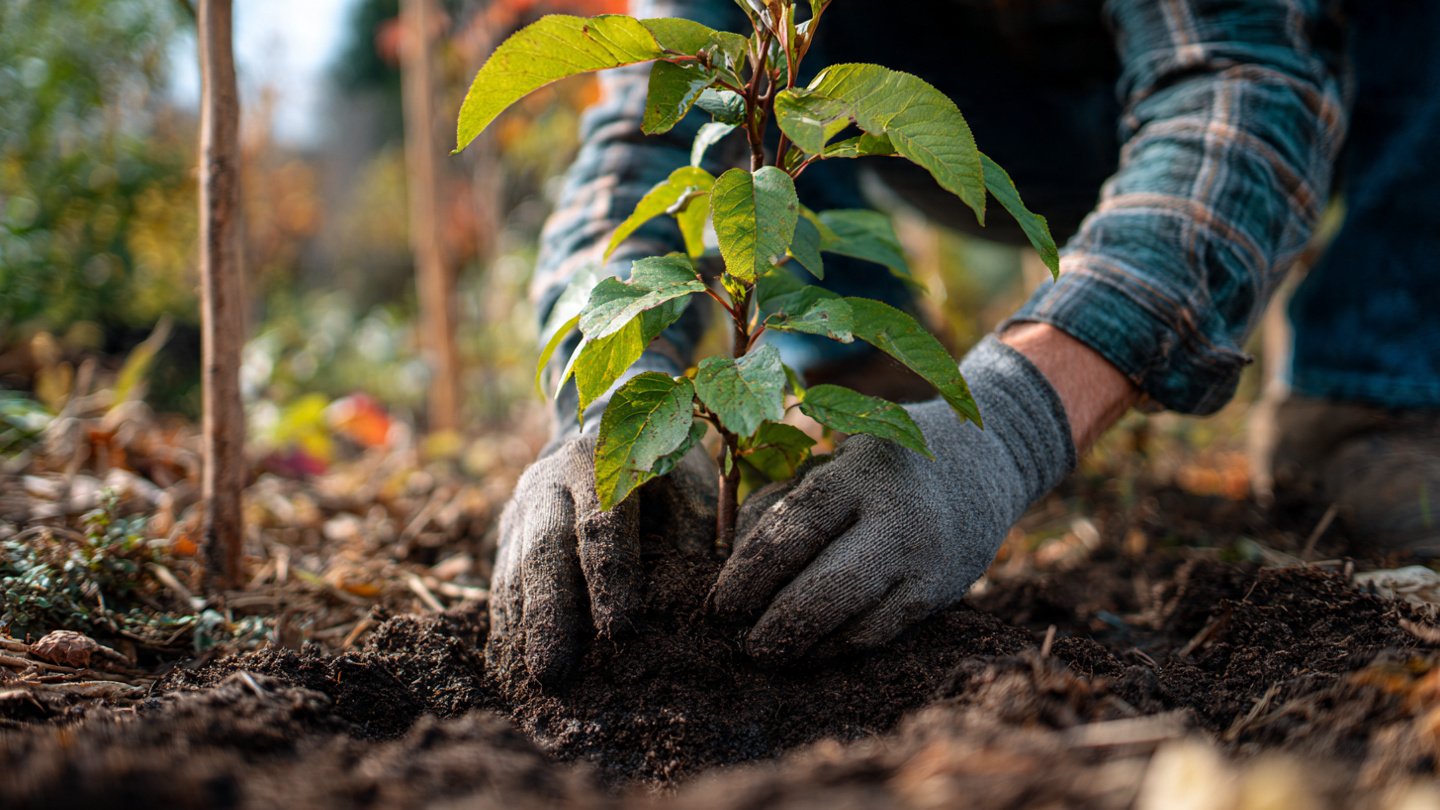
Growing a filbert tree (Corylus avellana), also known as a hazelnut tree, can be a rewarding experience for any gardener. Not only do these trees provide delicious nuts, but they also offer a beautiful addition to your landscape. However, many gardeners shy away from planting them due to perceived difficulties. Fortunately, with a few easy hacks, you can grow a thriving filbert tree with minimal effort and maximize your harvest. In this article, we will delve into the steps involved, provide planting and care tips, and answer some frequently asked questions.
Understanding the Filbert Tree
The filbert tree is a deciduous tree that typically reaches heights of 10 to 20 feet. Its attractive rounded shape and beautiful foliage make it a great choice for ornamental landscaping. In addition to its aesthetic appeal, the tree produces edible nuts that growers can harvest in late summer and early fall. Filberts are also an excellent source of protein and healthy fats, making them a nutritious snack.
Ideal Growing Conditions
To maximize results with minimal effort, it’s vital to understand the ideal growing conditions for a filbert tree:
-
Sunlight: Filbert trees thrive in full sun conditions. Aim for at least 6 to 8 hours of direct sunlight per day.
-
Soil: Well-drained, fertile soil is crucial. Sandy loam with a pH of 6.0 to 7.0 is ideal for filbert trees.
-
Watering: Regular watering is important, especially during dry periods. However, avoid waterlogging, which can damage roots.
Easy Hacks for Successful Planting
1. Choose the Right Variety
Choosing the right filbert variety is paramount. Some varieties are disease-resistant and more suited to specific climates. Popular variants include:
- ‘Barcelona’: A highly productive and hardy variety.
- ‘Davey’: A compact tree that is perfect for smaller gardens.
- ‘Ennis’: Known for its excellent nut quality and yield.

Selecting the right variety for your climate can simplify the growing process.
2. Soil Preparation with Minimal Effort
Preparing your soil doesn’t have to be labor-intensive. Here’s how to do it with minimal effort:
-
Test your soil: Purchase a soil testing kit from a gardening center. This will help you understand your soil’s pH and nutrient levels.
-
Amend as necessary: If the soil test reveals deficiencies, consider using organic compost or commercially available soil amendments to enrich your soil. This can often be done with a simple spreading of compost on the surface without extensive digging.
3. Planting Technique
Planting your filbert tree correctly is key. Here’s a simple method:
-
When to Plant: Early spring or fall is the best time to plant filbert trees.
-
Spacing: When planting multiple trees, ensure they are spaced about 15 to 20 feet apart for proper airflow and sunlight penetration.
-
Planting Step-by-Step:
- Dig a hole twice the width but just as deep as the root ball.
- Mix some compost into the soil you removed.
- Place the tree in the hole, ensuring the top of the root ball is level with the ground surface.
- Backfill the soil and gently press down to remove air pockets.
- Water thoroughly after planting.

4. Minimal Watering Strategy
Watering doesn’t have to be a chore. Here’s how to simplify the process:
-
Mulching: Apply a layer of organic mulch (like wood chips or straw) around the base after planting. This helps retain moisture, suppress weeds, and enrich the soil as it decomposes.
-
Drip Irrigation: If possible, set up a drip irrigation system. This minimizes labor while providing consistent moisture to the roots.
5. Fertilization Made Easy
Over-fertilizing can be a common mistake. Here’s a straightforward fertilization hack:
- Use Slow-Release Fertilizers: Choose a balanced, slow-release fertilizer suitable for nuts. This type won’t require frequent application, making it easier for you.

6. Pest and Disease Management with Minimal Effort
While filbert trees are generally robust, they can fall prey to certain pests and diseases. Here’s how to manage them easily:
-
Regular Monitoring: Check your tree for signs of pests like aphids or leafhoppers regularly. Early detection is key.
-
Natural Predators: Encourage beneficial insects like ladybugs and lacewings that naturally control pest populations. Planting flowers nearby can attract these helpful bugs.
-
Organic Treatments: If pests do appear, use organic pesticides or horticultural oils. Applications are usually simple and can be done with a sprayer.
7. Pruning Simplified
Pruning is essential for tree health, but it doesn’t have to be complicated:
-
Basic Cuts: Focus on removing dead or damaged branches each season.
-
Structural Pruning: In the first few years, prune for a strong structure. Trim back any branches that compete with the central leader.
8. Harvesting Made Easy
Once the tree begins to mature, harvesting should be straightforward:

-
Timing: Filberts typically mature in late summer or early fall. Nuts are ready to harvest when they fall from the tree.
-
Collecting: Lay tarps beneath the tree and gently shake the branches to collect fallen nuts. This saves time and effort.
Maximizing Your Harvest
To maximize your yield, consider the following:
-
Cross-Pollination: Plant at least two different varieties of filbert trees for better nut production. This helps facilitate cross-pollination, leading to more abundant crops.
-
Regular Care: Establish a simple annual care routine. Invest time early on to minimize effort later and ensure healthy growth.
Conclusion
Growing a filbert tree doesn’t need to be a daunting task. With the right variety, soil preparation, and care strategies, you can cultivate a beautiful, productive tree with minimal effort. Start your filbert tree journey today, and enjoy the benefits for years to come!
FAQs Section
1. How long does it take for a filbert tree to produce nuts?
Generally, filbert trees will start producing nuts in about 4 to 5 years after planting.
2. Can I grow filbert trees in pots?

Yes, filbert trees can be grown in pots, but ensure they receive ample sunlight and are watered regularly.
3. What is the best climate for growing filbert trees?
Filbert trees thrive in temperate climates with cold winters and warm summers. They are particularly suited for USDA hardiness zones 4-9.
4. How do I know if my filbert tree is healthy?
Signs of a healthy filbert tree include vibrant green leaves, active growth, and a good production of nuts. Yellowing leaves or stunted growth may indicate health issues.
5. What pests should I watch out for?
Common pests include aphids, leafhoppers, and filbert weevils. Regularly checking your tree can help you catch any infestations early.
6. Should I prune my filbert tree every year?
While regular light pruning is beneficial, extensive pruning is typically not needed until the tree matures. Focus on removing dead or damaged branches for early care.
7. How do I ensure good cross-pollination?
Planting different varieties within a suitable distance (about 100 feet) will enhance cross-pollination, leading to better nut yield.