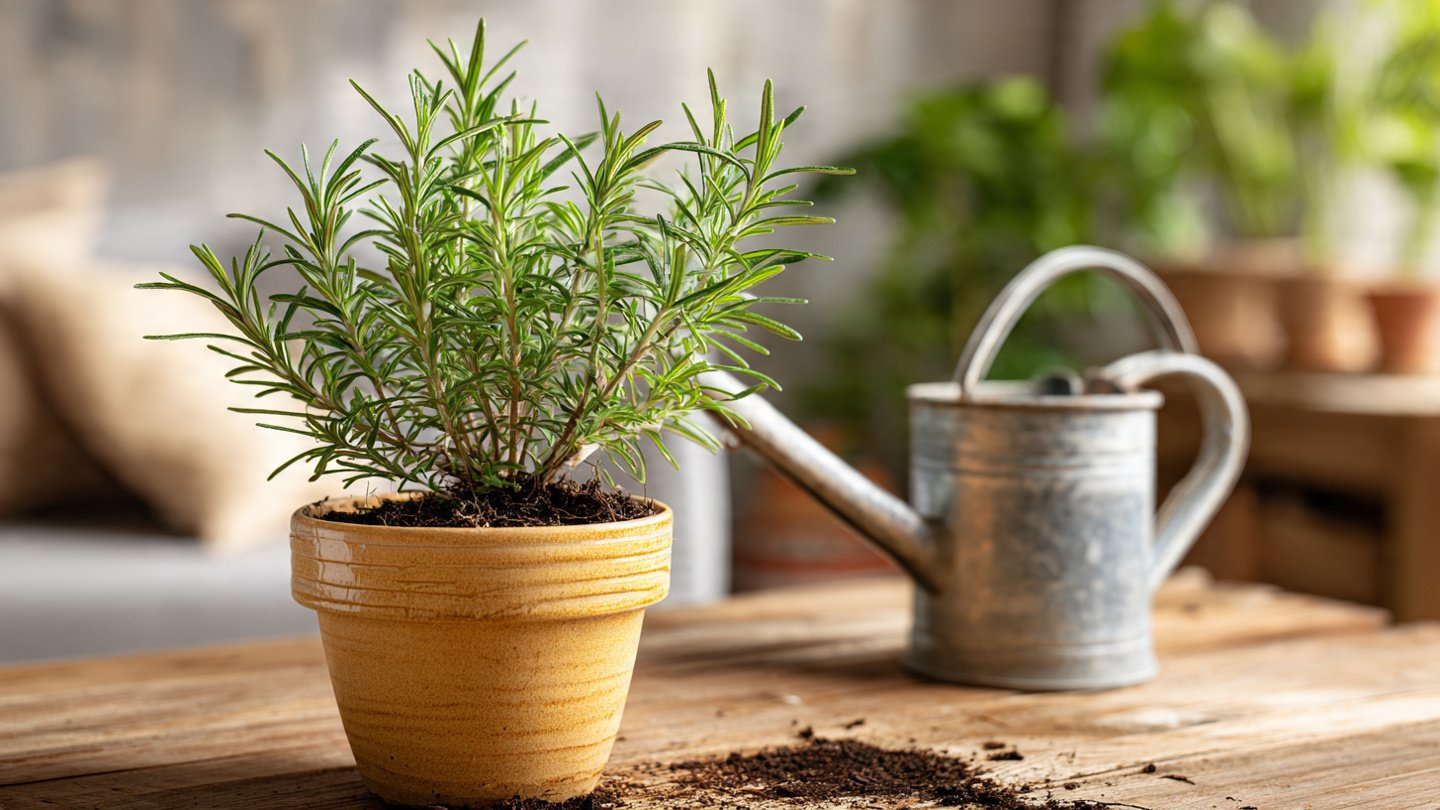
Rosemary (Rosmarinus officinalis) is a fragrant evergreen herb native to the Mediterranean region, cherished not just for its culinary uses but also for its aromatic properties and health benefits. This hardy perennial plant can thrive in a home herb garden, bringing a touch of the Mediterranean to your kitchen. If you’re keen to cultivate rosemary at home, this article will guide you through the essential steps.
Understanding Rosemary’s Growing Conditions
Climate
Rosemary prefers a warm, sunny climate. It thrives in USDA hardiness zones 7 to 10. If you live in a cooler climate, you can still grow rosemary by taking it indoors during the winter months or growing it in pots that can be moved indoors.
Soil
Rosemary prefers well-draining soil. Sandy or gravelly soils enriched with organic matter work best. Ensure the pH level is around 6.0 to 7.0. Adding perlite or sand to regular potting soil can improve drainage.
Sunlight
This herb loves sunlight. A minimum of six hours of direct sunlight is ideal. If you’re growing it indoors, consider placing it near a south- or west-facing window.
Step-by-Step Guide to Growing Rosemary
Step 1: Choosing the Right Variety
There are several varieties of rosemary, including:

- Tuscan Blue: Known for its upright growth and strong flavor.
- Arp: A cold-hardier variety, great for cooler climates.
- Prostrate: Often used as a ground cover, it has a trailing habit.
Choose a variety that suits your cooking needs and local climate.
Step 2: Planting Rosemary
From Seeds
-
Sow Seeds Indoors: Start seeds indoors about 8-10 weeks before the last frost. Use a seed-starting mix, sowing the seeds about ¼ inch deep. Keep the soil moist but not soggy.
-
Light: Provide plenty of light, using grow lights if necessary. Seedlings need at least 12-16 hours of light per day.
-
Transplant: Once seedlings are 2-3 inches tall and have at least two sets of true leaves, transplant them outdoors after the danger of frost has passed.

From Cuttings
-
Choose Healthy Stems: Take 4-6 inch cuttings from a healthy rosemary plant. Make the cut just below a node (the point where leaves attach to the stem).
-
Remove Lower Leaves: Strip the leaves from the bottom half of the cutting.
-
Rooting Hormone (Optional): Dip the cut end in rooting hormone to promote faster root development, although it’s not essential.
-
Plant in Soil: Insert the cutting into a pot filled with well-draining soil. Water it lightly and cover it with a plastic bag or a clear plastic dome to retain humidity.
-
Humidity and Light: Keep the cutting in a warm, bright spot with indirect sunlight. Remove the plastic covering every few days to allow airflow.
Step 3: Watering
Rosemary is drought-tolerant once established, but young plants require consistent moisture. Water the plant when the top inch of soil feels dry. Be careful not to overwater, as rosemary is susceptible to root rot.
Step 4: Fertilizing

Rosemary does not require heavy fertilization. Use a balanced fertilizer diluted to half strength every 4-6 weeks during the growing season. In the fall, reduce or stop fertilizing as the plant’s growth slows.
Step 5: Pruning
Pruning encourages bushier growth and helps maintain the plant’s shape. Snip off tips of the stems regularly to promote branching. Remove any dead or yellowing leaves to improve air circulation and prevent disease.
Step 6: Harvesting
You can start to harvest rosemary once the plant is well-established. It’s best to cut stems in the morning when their essential oils are most potent. Use sharp scissors or pruners, taking care to leave enough foliage for the plant to continue growing.
Common Pests and Diseases
Pests
-
Aphids: Small green bugs that suck plant juices. Spray them off with water or use insecticidal soap.
-
Spider Mites: Tiny red or yellow dots that can cause leaf discoloration. Increase humidity and use miticide if necessary.
Diseases

-
Root Rot: Often caused by overwatering. Ensure well-draining soil and avoid waterlogged conditions.
-
Powdery Mildew: A fungal disease characterized by a white powdery substance on leaves. Improve air circulation and avoid overhead watering to prevent this.
Tips for Successful Rosemary Cultivation
-
Container Gardening: If space is limited, use containers. Ensure pots have drainage holes and choose a size that will allow the plant to grow.
-
Companion Planting: Rosemary pairs well with vegetables like cabbage, beans, and carrots. Its scent can deter pests from these plants.
-
Winter Care: If growing outdoors in colder climates, consider covering the plant with mulch or bringing potted plants indoors during the winter to protect against frost.
FAQs
1. How long does it take for rosemary to grow?
Rosemary can take 3-4 months to grow from seed, while cuttings can root in 2-6 weeks. Once established, rosemary is a perennial that can live for many years.

2. Can I grow rosemary indoors?
Yes, rosemary can be grown indoors as long as it receives ample light and has well-draining soil. A south-facing window is ideal.
3. How do I store fresh rosemary?
Fresh rosemary can be stored in the refrigerator wrapped in a damp paper towel. Alternatively, you can freeze rosemary by chopping it and placing it in ice cube trays with water or oil.
4. Can rosemary survive winter outdoors?
In mild climates (zones 7-10), rosemary can survive outdoors. In colder areas, it’s best to bring potted rosemary indoors or cover outdoor plants with mulch for insulation.
5. Can I use rosemary in cooking?
Absolutely! Fresh rosemary is excellent in various dishes, including roasted meats, vegetables, and bread. It can also be infused into oils or used in herbal teas.
Conclusion
Cultivating rosemary at home is not only rewarding but also adds a delightful touch to your culinary endeavors. By following these simple steps and tips, herb garden enthusiasts can successfully grow and enjoy this versatile herb year-round. With a little patience and care, your home will be filled with the aromatic scent of fresh rosemary, enhancing both your cooking and your garden’s charm. Happy gardening!