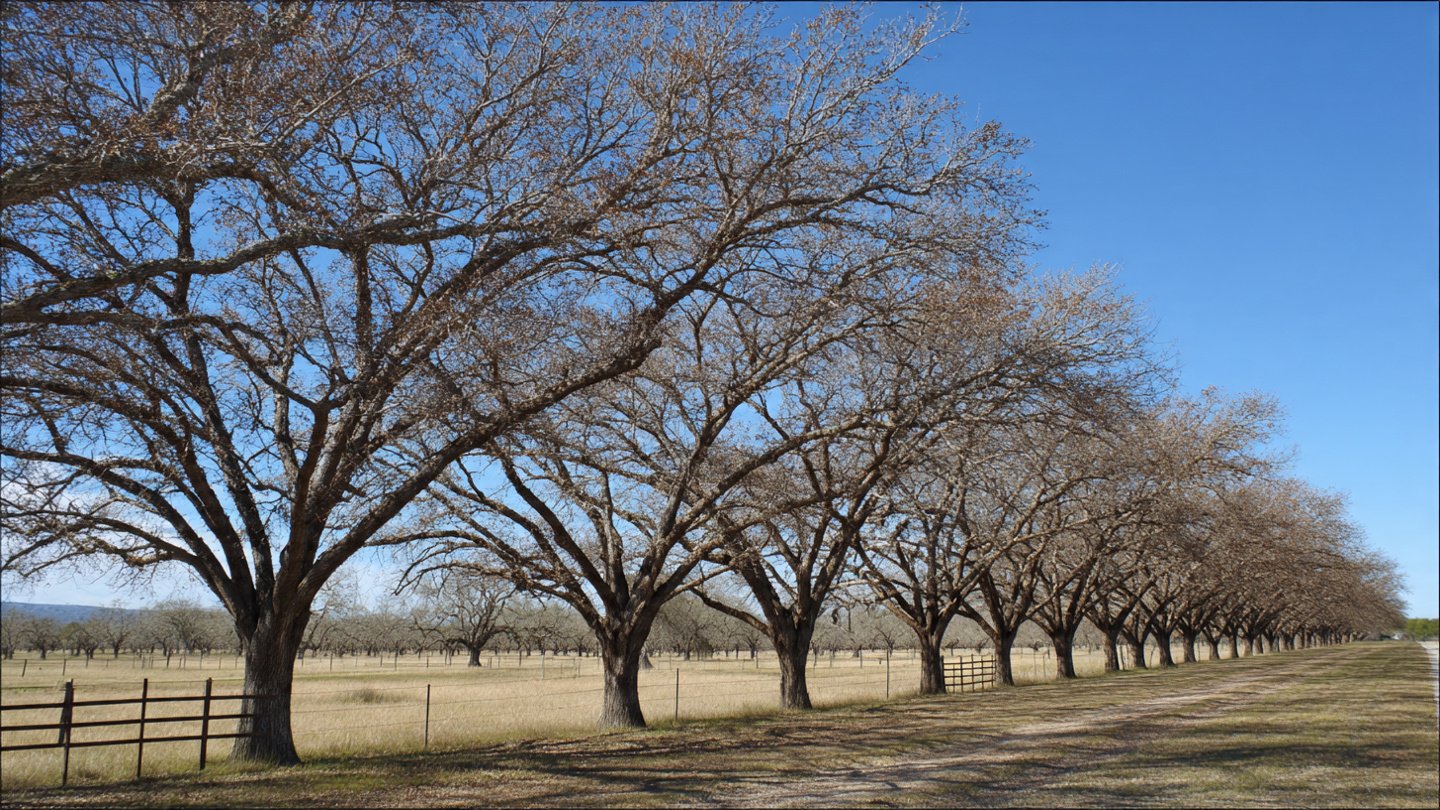
Pecan trees (Carya illinoinensis), native to the southern United States and Mexico, are increasingly becoming a popular choice among growers in Southern Canada. While growing pecans in this region presents unique challenges, there are effective strategies to ensure successful cultivation. This article will explore various techniques, environmental considerations, and care tips to help you grow healthy pecan trees in Southern Canada.
Understanding the Pecan Tree
Characteristics
Pecan trees are large deciduous trees known for their sweet, edible nuts and attractive foliage. They can grow up to 100 feet tall and have a lifespan of over 300 years. The trees produce both male and female flowers, necessitating cross-pollination for optimal nut production.
Climate Suitability
Pecan trees thrive in regions with long, warm growing seasons. Southern Canada has a challenging climate characterized by cold winters and shorter growing periods, but selecting the right cultivars and employing specific strategies can lead to successful growth.
Selecting the Right Pecan Variety
Choosing the right pecan variety is crucial for success in southern Canada. Here are a few varieties that perform well in cooler climates:
- Elliott: Resilient to cold snaps and produces nuts with excellent flavor.
- Moneymaker: Known for good yields and adaptability to varying soil types.
- Pawnee: An early-blooming variety that requires less chilling hours for nut production.
Factors to Consider
When selecting a variety, consider the following factors:
- Chilling Hours: Pecan trees require a certain number of chilling hours (temperatures between 0°F to 45°F) to break dormancy. Look for cultivars that adjust well to lower chilling hours.
- Disease Resistance: Choose varieties that are resistant to common diseases like pecan scab and powdery mildew.
- Pollination Needs: Ensure that you have at least two varieties for effective cross-pollination.

Site Selection and Preparation
Choosing the Right Location
Pecan trees need plenty of sunlight, making site selection essential. Choose an area that receives at least 6 to 8 hours of direct sunlight daily.
Soil Quality
Pecans thrive in well-draining soils rich in organic matter. Conduct a soil test to ensure the pH is between 6.0 to 7.5. If the soil is too acidic, consider amending it with lime.
- Drainage: Good drainage is crucial for preventing root rot. Avoid waterlogged areas and consider raised beds or berms if drainage is an issue.
- Nutrient Content: Incorporate compost or well-rotted manure to increase nutrient levels.
Site Preparation
Once you select the site, proper preparation is key:
- Clearing the Area: Remove weeds, rocks, and other debris.
- Tilling the Soil: Break up the soil to a depth of about 12 inches to improve aeration and encourage root development.
- Soil Amendment: Incorporate organic matter and fertilizers as per soil test recommendations.
Planting Your Pecan Trees
Timing
The best time to plant pecan trees in Southern Canada is in early spring after the last frost. This allows the roots to establish before summer heat sets in.
Planting Process
- Digging the Hole: Create a hole that’s twice as wide and deep as the root ball of your sapling.
- Placing the Tree: Set the tree in the center of the hole, ensuring that the root collar (where the roots meet the trunk) is level with the ground surface.
- Backfilling: Fill in the hole with a combination of native soil and organic matter, and water it thoroughly to remove air pockets.

Mulching
Apply a 2-3 inch layer of organic mulch around the base of the tree, keeping it away from the trunk. This helps retain moisture, suppress weeds, and regulate soil temperature.
Watering and Irrigation
Establishing a Watering Schedule
Pecan trees need consistent moisture, especially during their first few growing seasons.
- Frequency: Water deeply once a week, increasing to twice a week during extreme heat.
- Methods: Consider using drip irrigation systems to conserve water and promote deep root growth.
Monitoring Soil Moisture
Check the soil moisture regularly to prevent over- or under-watering. Soil should be moist but not soggy.
Fertilization
Nutrient Requirements
Pecan trees benefit from a balanced fertilizer high in nitrogen, especially during their formative years.
- Soil Testing: Conduct tests every two years to monitor nutrient levels.
- Types of Fertilizer: Use a slow-release fertilizer in the spring and consider additional applications if soil tests indicate deficiencies.
Application Timing
Apply fertilizer in early spring before the trees leaf out. Avoid fertilizing in late summer, as this can encourage new growth that may not survive winter.

Pruning and Training
Importance of Pruning
Regular pruning is crucial for maintaining tree health, encouraging airflow, and maximizing nut production.
- When to Prune: Late winter or early spring before the sap begins to flow is the best time to prune.
- Techniques: Remove dead, damaged, or crossing branches to enhance light penetration and air circulation.
Training Young Trees
Train young trees to develop a strong central leader and well-spaced lateral branches. This promotes an open canopy structure that can bear heavy nut crops.
Pest and Disease Management
Common Pests
Pecan trees can be susceptible to various pests, including:
- Pecan Weevils: These pests burrow into nuts. Use traps and timely insecticide applications to control them.
- Spider Mites: These can thrive in dry conditions. Maintain proper irrigation to reduce their population.
Disease Control
Diseases such as pecan scab and powdery mildew can affect vitality and crop yield:
- Prevention: Opt for resistant varieties and maintain good airflow through proper pruning.
- Treatment: Apply fungicides as a preventive measure during flowering and nut development stages.

Harvesting
Timing
Pecan nuts typically mature in late fall, usually between September and November. Harvest nuts when they begin to fall from the tree, and the husks start splitting.
Harvesting Techniques
- Shaking: Use mechanical tree shakers for large orchards to facilitate nut collection.
- Hand Collecting: For smaller trees, pick up nuts directly from the ground or use a nut harvester for efficiency.
Post-harvest Care
Dry the harvested nuts in a cool, shaded area to prevent mold. Store them in a cool, dry place in sealed containers.
Maintaining Your Pecan Orchard
Regular Monitoring
Conduct regular inspections for pests and diseases. Monitor soil moisture and nutrient levels to ensure trees remain healthy.
Seasonal Tasks
- Spring: Fertilize and prune as needed.
- Summer: Monitor for pests and water regularly.
- Fall: Harvest and prepare trees for winter.
FAQs About Growing Pecan Trees in Southern Canada
1. Can I grow pecan trees in Southern Ontario?
Yes, with the right cultivars and proper care, pecans can be successfully grown in Southern Ontario, especially in areas with milder winters.

2. How long does it take for a pecan tree to produce nuts?
Pecan trees typically take 5-8 years to begin producing nuts, depending on the variety and growing conditions.
3. Do pecan trees require cross-pollination?
Yes, pecan trees are generally cross-pollinated, so planting at least two different varieties is recommended to enhance yields.
4. How do I protect my pecan trees from harsh winters?
Use a mulch layer around the base to protect the roots, and consider wrapping young trees with burlap to shield them from extreme cold.
5. What’s the best soil type for pecan trees?
Pecans prefer deep, moist, well-drained sandy or loamy soils with a pH between 6.0 and 7.5.
6. How often should I water young pecan trees?
During their first few years, young pecan trees should be watered deeply once a week, more frequently during hot spells.
7. Are there specific diseases I should be concerned about?
Pecan scab and powdery mildew are common diseases; regular monitoring and resistance varieties can help manage these issues.
In conclusion, while growing pecan trees in Southern Canada presents challenges, following these effective strategies will help maximize your chances of success. With careful planning, proper care, and the right cultivars, you can enjoy a thriving pecan orchard for years to come.