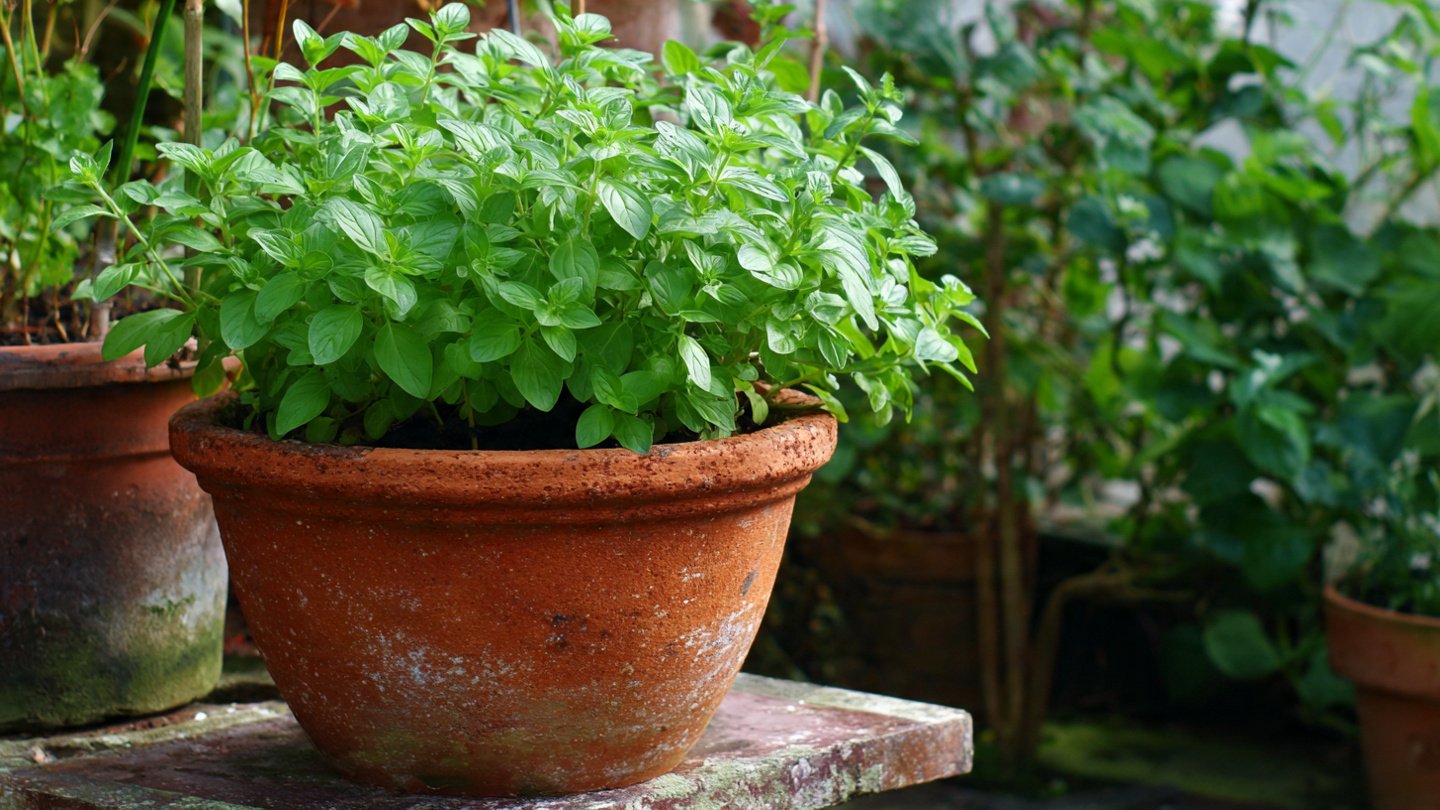
Growing oregano in pots is an excellent way to bring flavor and aroma to your kitchen while also adding greenery to your home or garden space. This versatile herb is a staple in Mediterranean cooking, making it an essential addition for many home cooks. In this article, we’ll explore the steps to successfully cultivate oregano in pots, covering everything from choosing the right pot to ongoing care and harvesting.
Understanding Oregano
Oregano (Origanum vulgare) is a perennial herb that belongs to the mint family, known for its culinary and medicinal uses. With its robust flavor, oregano is commonly used in Italian, Greek, and Mexican cuisines. The herb thrives in warm climates and well-draining soil, making it ideal for pot cultivation.
Choosing the Right Pot
1. Pot Size
Selecting the right pot is crucial for the healthy growth of oregano. A pot with a diameter of at least 8-10 inches is a good starting point, allowing enough space for the roots to grow. If you’re planning to grow multiple plants, consider a larger container.
2. Drainage
Your pot should have drainage holes at the bottom. Oregano prefers well-drained soil, and excess water can lead to root rot. If you choose a pot without drainage holes, you can create a drainage layer at the bottom using gravel or small stones.
3. Material
Plastic, clay, or ceramic pots are all suitable for growing oregano. Clay pots are excellent because they absorb moisture, but they can dry out faster. If you opt for a plastic pot, be mindful of watering since they retain moisture.
Choosing the Right Soil
1. Soil Composition

Oregano thrives in well-draining soil that is rich in organic matter. A mix composed of equal parts potting soil, sand, and perlite is ideal. This combination ensures adequate drainage while retaining moisture for the plant.
2. pH Levels
The preferred pH level for oregano is between 6.0 and 8.0. You can test your soil using a pH test kit and amend it as necessary with lime to increase pH or sulfur to decrease it.
Planting Oregano
1. Seeds vs. Seedlings
You can grow oregano from seeds or buy seedlings from a nursery. If starting from seeds, sow them indoors about 6-8 weeks before the last frost. Use seed trays and cover lightly with soil, keeping them moist until germination, which usually takes 10-14 days.
2. Timing
The best time to plant oregano is in spring after the frost has passed. If you’re starting indoors, plan to transplant your seedlings outdoors when they’re about 4-6 inches tall.
3. Planting Depth
When transplanting seedlings, ensure that you plant them slightly deeper than they were in their seed trays, as this encourages stronger root growth.
Watering Oregano
Oregano prefers slightly dry conditions. Water the plant thoroughly but allow the top inch of soil to dry out before watering again. Over-watering can cause root rot and other fungal diseases.
Light Requirements
Oregano thrives in full sun, requiring at least 6-8 hours of direct sunlight daily. If you’re growing your oregano indoors, place it near a south-facing window. If light is limited, consider using grow lights to supplement natural light.
Fertilizing Oregano
1. Frequency
Oregano does not require heavy fertilization. A light feeding of an all-purpose, balanced fertilizer every 4-6 weeks during the growing season is usually sufficient.
2. Organic Options
Using compost or well-rotted manure can also provide essential nutrients without the risk of over-fertilization.
Pruning Oregano
Pruning not only encourages bushier growth but also prevents the plant from becoming leggy. You should prune oregano regularly:
- Timing: Begin pruning when the plant is established and at least 6 inches tall.
- Method: Use clean, sharp scissors to cut back one-third of the plant. Focus on removing any flowers, as they can alter the flavor of the leaves.
Pest and Disease Management
Oregano is generally resistant to pests, but you may encounter aphids, spider mites, or whiteflies. If you notice these pests:
- Insecticidal Soap: A simple solution is to spray the plants with insecticidal soap or neem oil.
Fungal issues are also rare but can occur if the plant is overwatered. Always ensure good air circulation and avoid crowding your pots.
Harvesting Oregano
1. When to Harvest
You can start harvesting oregano when the plant is about 6 inches tall. The ideal time to pick is just before the flowers bloom, as the leaves have the most flavor then.
2. Harvesting Method
Use sharp scissors or clippers to cut stems just above a leaf node, which will encourage further growth. Harvest in the morning when the leaves are at their most potent.
3. Drying Oregano
If you have an abundance of oregano, consider drying it for later use. Here’s how:
- Hang small bundles upside down in a cool, dark, and dry area.
- After about two weeks, the leaves should crumble easily. Store the dried herbs in an airtight container away from light.
Using Oregano in Your Kitchen
Oregano enhances a variety of dishes:
- Italian Cuisine: Perfect for sauces, pizzas, and marinades.
- Greek Dishes: A staple for salads and roasted vegetables.
- Mexican Food: Adds flavor to salsas and tacos.
Experiment with fresh and dried oregano to discover the flavors that suit your palate best.
Tips for Success
- Rotate Your Crops: If you keep oregano in the same spot for several seasons, consider rotating it with other herbs to prevent soil depletion.
- Watch for Weeds: Keep the area around your pots free of weeds, as they compete for nutrients and moisture.
- Manage Temperature: If growing outdoors, ensure that your pots are protected from extreme weather conditions.
FAQs
1. Can I grow oregano indoors?
Yes, oregano can be successfully grown indoors as long as it receives adequate sunlight (6-8 hours) and is planted in well-draining soil.
2. Is oregano a perennial or annual herb?
Oregano is a perennial herb, which means that it can live for several years if properly cared for.
3. How often should I water my oregano?
Water oregano when the top inch of soil is dry. In hot weather, this may be every few days, while in cooler months, it may be less frequent.
4. Can I use dried oregano instead of fresh?
Absolutely! Dried oregano is more concentrated in flavor, so use about one-third the amount of dried as you would fresh.
5. Is oregano hardy in winter?
Oregano can survive mild winters, but if you live in a colder climate, you may need to bring your pots indoors or provide some form of protection from frost.
Conclusion
Growing oregano in pots is a rewarding experience that pays off with flavorful additions to your meals. By choosing the right pot, soil, and care practices, you can enjoy a steady supply of fresh oregano from your garden or kitchen. Whether you are a seasoned gardener or a beginner, oregano is a manageable herb that enhances both your cooking and your living space. Happy gardening!