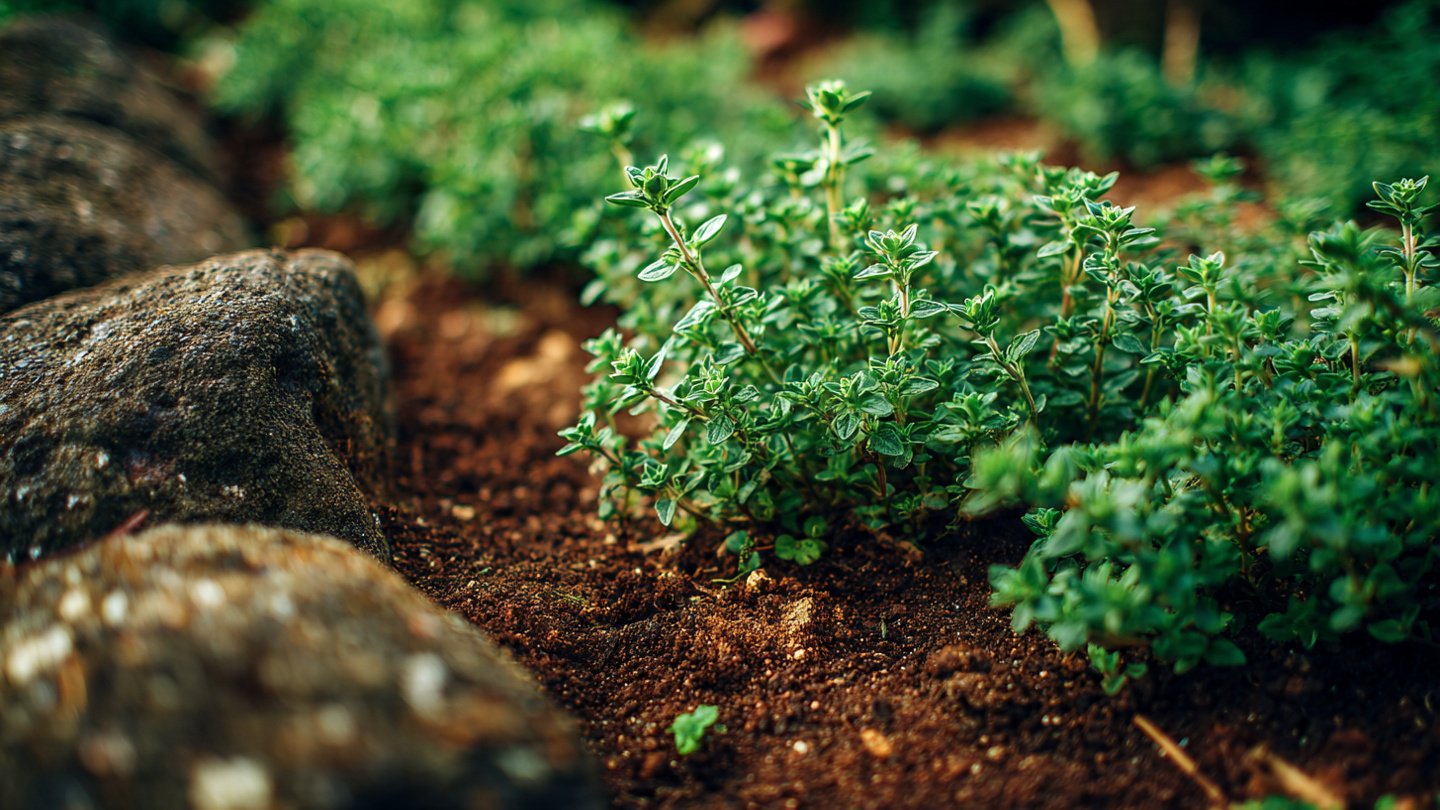
Thyme is an aromatic herb that adds depth to culinary dishes, enhances garden beauty, and provides numerous health benefits. Known for its resilience and versatility, thyme is an easy herb to grow at home. Whether you are a seasoned gardener or a novice, this guide will provide you with effective techniques for successfully cultivating thyme in your garden.
1. Choosing the Right Variety of Thyme
Before planting, it’s essential to select the right type of thyme. The two most common varieties are:
- Common Thyme (Thymus vulgaris): This is the most popular culinary thyme, known for its strong flavor.
- Lemon Thyme (Thymus citriodorus): This variety has a citrus scent and flavor, excellent for fish dishes and herbal teas.
You can also explore other varieties like creeping thyme, which is great for ground cover, and wild thyme, noted for its ruggedness.
2. Selecting the Right Location
Thyme thrives in full sun, requiring at least 6-8 hours of sunlight each day. When choosing a location, consider the following:
- Drainage: Thyme prefers well-draining soil. If your garden has heavy clay soil, it can lead to root rot. Raised beds or containers can help improve drainage.
- Air Circulation: Ensure the area has good air circulation to prevent fungal diseases.

3. Soil Preparation
Thyme prefers slightly acidic to neutral soil (pH 6.0 to 8.0). Prepare your soil by:
- Testing pH: Use a simple soil test kit to determine pH. Amend your soil as needed with lime to raise pH or sulfur to lower it.
- Adding Organic Matter: Incorporate compost or well-rotted manure to improve soil fertility and drainage.
4. Planting Thyme
You can grow thyme from seeds, cuttings, or transplants. Here’s how to do each:
- Seeds: Sow thyme seeds indoors 6-10 weeks before the last frost. For outdoor planting, sow seeds directly in the garden after the last frost.
- Cuttings: Take a 4-6 inch cutting from an established plant. Remove the bottom leaves and place the cutting in a pot of moist potting mix. Cover with a plastic bag until roots form.
- Transplants: You can purchase young thyme plants from a nursery. Plant them in your prepared garden bed, spacing them 12 to 18 inches apart.
5. Watering and Fertilizing
Thyme is drought-resistant once established, but new plants need regular watering. Here’s how to manage watering:

- Watering: Water deeply but infrequently, allowing the soil to dry out in between. Overwatering can lead to root rot.
- Fertilizing: Thyme doesn’t require much fertilizer. If desired, apply a balanced organic fertilizer in the spring, but avoid excessive nitrogen, which can lead to leggy growth.
6. Pruning and Maintenance
Regular pruning encourages bushier growth and prevents flowering:
- Pruning: Trim thyme plants back by about one-third in late spring or early summer. This helps maintain their shape and fosters new growth.
- Weeding: Keep the area around thyme free from weeds which compete for nutrients and water.
7. Pest and Disease Management
Thyme is relatively pest-resistant; however, some common pests include:
- Aphids: You can remove them by washing your plants with water or using insecticidal soap.
- Spider Mites: These can be prevented by ensuring proper air circulation and humidity levels.

Diseases such as root rot can occur due to overwatering. Ensure that you provide good drainage and avoid over-saturating the soil.
8. Harvesting Thyme
Thyme can be harvested throughout its growing season. Here are some tips for harvesting:
- Timing: Harvest in the morning when the oils are most concentrated.
- Method: Use sharp scissors or pruning shears to snip off sprigs. Leave a few inches of growth to allow the plant to recover.
- Preserving Thyme: Fresh thyme can be stored in the refrigerator, while dried thyme should be kept in an airtight container in a cool, dark place.
9. Uses of Thyme
Apart from culinary uses, thyme has numerous benefits:
- Culinary: Add fresh or dried thyme to soups, stews, marinades, and meat dishes.
- Medicinal: Thyme possesses antimicrobial properties and can be used in teas to relieve coughs or digestive issues.
- Aromatic: Thyme can be used in potpourri or as an essential oil for aromatherapy.

10. Winter Care
Thyme is a perennial herb, meaning it can survive winter if properly cared for:
- Mulching: Apply a layer of mulch to protect the roots during cold weather.
- Container Plants: If thyme is in a pot, move it indoors if temperatures drop significantly.
FAQs
Q1: How long does it take for thyme to grow?
A: From seeds, thyme usually takes 7-14 days to germinate and can be ready to harvest in about 60-90 days. If grown from transplants, you can usually start harvesting in about four weeks.
Q2: Can thyme be grown indoors?
A: Yes, thyme can be grown indoors in pots or planters. Ensure they receive sufficient sunlight and avoid overwatering.
Q3: How often should I water thyme?
A: Water thyme deeply but infrequently. Allow the top inch of soil to dry out between waterings, especially for established plants.
Q4: Is there a best time to harvest thyme?
A: The best time to harvest thyme is in the morning after the dew has dried but before the heat of the day.

Q5: How do I propagate thyme?
A: Thyme can be propagated by seeds, cuttings, or division. The easiest method for home gardeners is taking cuttings from existing plants.
Q6: What companion plants go well with thyme?
A: Thyme pairs well with rosemary, sage, and other Mediterranean herbs. Avoid planting it near plants like basil or cucumbers, which have different water and sunlight needs.
Q7: Can you freeze thyme?
A: Yes, you can freeze thyme for long-term storage. Simply wash and chop the leaves, place them in an ice cube tray with water, and freeze.
Q8: What pests are harmful to thyme?
A: Common pests include aphids and spider mites. Regular inspection and maintaining good plant health can prevent infestations.
By following these effective techniques for growing thyme at home, you can enjoy a bountiful harvest and enjoy the many culinary and medicinal advantages this hardy herb has to offer. Whether you’re enhancing your meals or creating a fragrant garden, thyme is a wonderful addition that is easy to nurture and appreciate. Happy gardening!